Loading…
Back to Compound Explorer
Hispolon
In vitro / AnimalMechanism of Action
Inhibits NF-kB signaling by blocking phosphorylation of IKK-alpha and I-kappa-B-alpha in LPS-stimulated macrophages, suppressing downstream iNOS, COX-2, and pro-inflammatory cytokine (TNF-alpha, IL-1-beta, IL-6) expression. Additionally induces apoptosis in tumor cells through caspase-3 activation, PARP1 cleavage, and p53 pathway engagement. Network pharmacology analysis identified binding to core targets CASP3, PARP1, and TP53 in colon cancer models.
Induces apoptosis in cancer cells through multiple mechanisms: activation of the intrinsic (mitochondrial) apoptotic pathway via caspase-9 and caspase-3 cleavage, downregulation of anti-apoptotic proteins Bcl-2 and Bcl-xL, upregulation of pro-apoptotic Bax and Bad, and inhibition of the NF-κB signaling pathway (which tumors exploit for survival). Also inhibits the PI3K/Akt/mTOR cell survival pathway and suppresses matrix metalloproteinases (MMP-2, MMP-9) involved in tumor invasion and metastasis. Demonstrates anti-angiogenic activity via VEGF suppression.
Research Notes
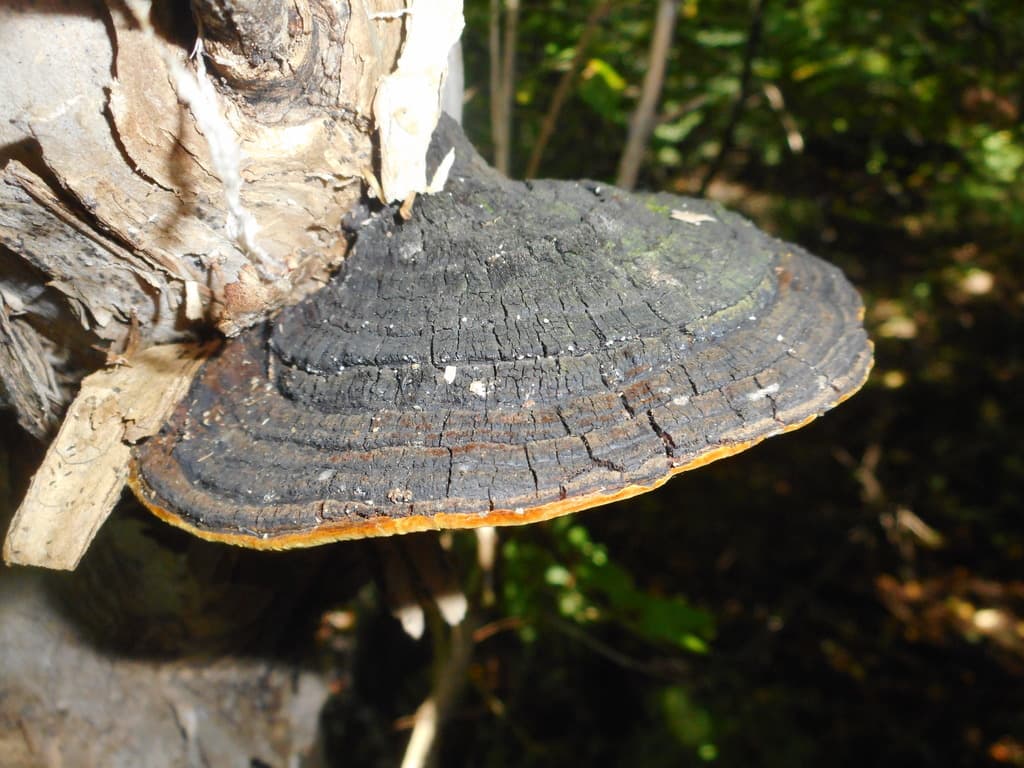
Black Hoof MushroomMushroom
In vitro studies in LPS-stimulated RAW264.7 macrophages demonstrated dose-dependent suppression of iNOS, COX-2, and pro-inflammatory cytokines by P. baumii hispolon-enriched extracts. Network pharmacology studies published in 2023 (PMC) elucidated binding of hispolon and osmundacetone to CASP3, PARP1, and TP53 as core anti-colon-cancer targets. MTT assays confirmed dose-dependent suppression of HepG2 liver cancer cell proliferation with cell-cycle arrest at S phase. All evidence is preclinical.
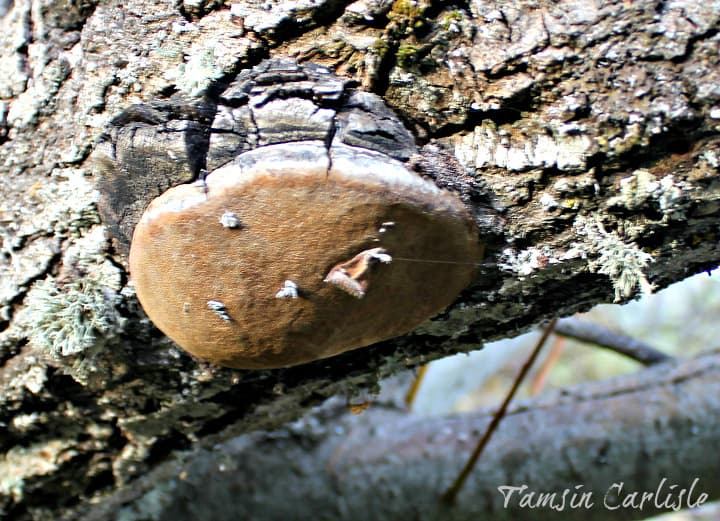
Meshima (Sang Hwang)Mushroom
Chen et al. (2013) demonstrated that hispolon induced apoptosis in human gastric cancer cells (AGS line) via ROS-mediated mitochondrial pathway activation with IC50 values of 15–25 μM. Huang et al. (2011) showed hispolon inhibited breast cancer cell (MDA-MB-231) proliferation and migration by suppressing NF-κB-mediated MMP-9 expression. Jang et al. (2016) found hispolon sensitized multidrug-resistant breast cancer cells to doxorubicin by inhibiting P-glycoprotein efflux pump expression. All studies are in vitro or animal; no human clinical trials with isolated hispolon have been published.
Found In 2 Herbs
3D Molecular Structure
Polyphenol (styrylpyrone derivative)
Drag to rotate · Click atoms to explore
Hispolon
Polyphenol (styrylpyrone derivative)Simple aromatic compounds with antimicrobial properties
Representative pattern: C₇H₆O₃
Atoms
Carbon
Oxygen
Hydrogen
Live Research
This information is for educational purposes only and does not constitute medical advice. Always consult a qualified healthcare practitioner before using any herbal product.
These statements have not been evaluated by the Food and Drug Administration. This product is not intended to diagnose, treat, cure, or prevent any disease. This content is for educational purposes only and is not a substitute for professional medical advice.