Loading…
Back to Compound Explorer
Hesperidin
Clinical trialMechanism of Action
Anti-inflammatory via NF-kB inhibition; venoprotective; improves capillary permeability; qi-moving
Vasoprotective via capillary strengthening and reduced permeability; anti-inflammatory through COX-2 and iNOS inhibition; mild phytoestrogenic activity; enhances venous tone.
Research Notes
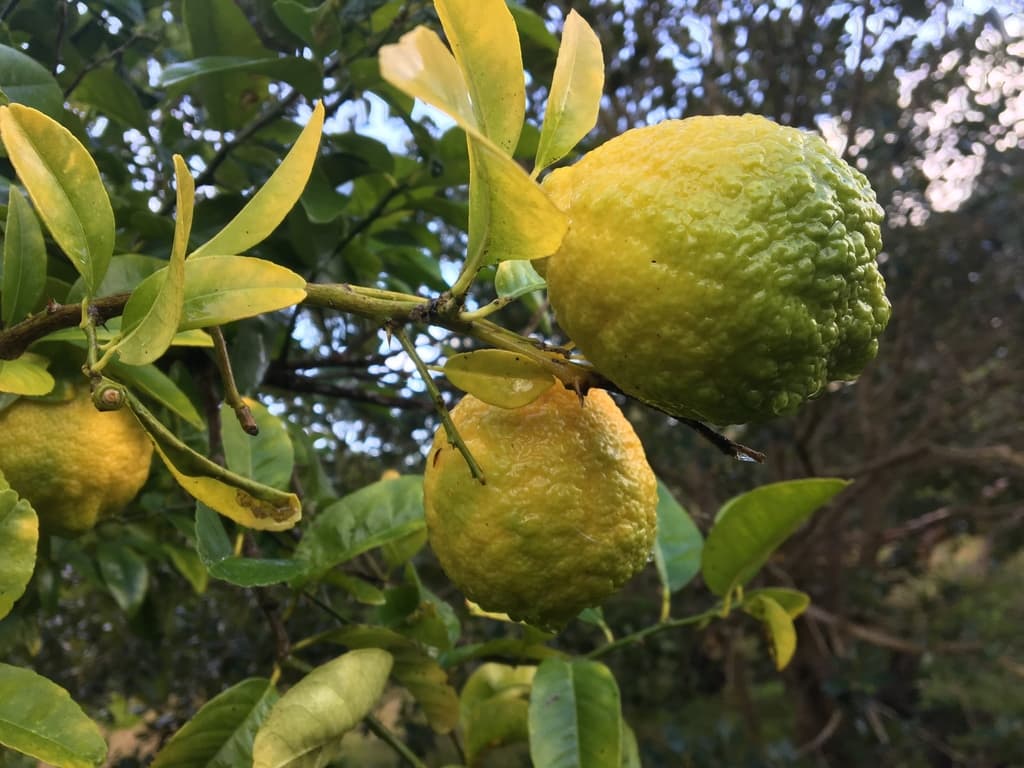
Hesperidin is the most abundant flavonoid in citrus peel. Clinical trials demonstrate improvements in venous insufficiency and reduced inflammatory markers.
HoneybushAfrican
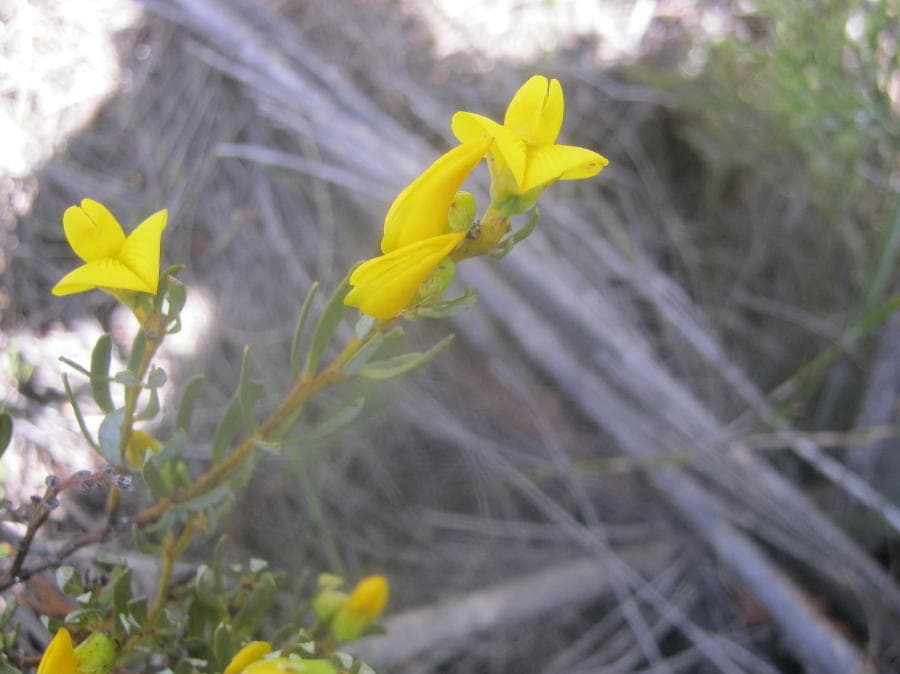
Well-studied flavanone also found in citrus. Evidence supports vasoprotective and anti-inflammatory effects. Contribution to Honeybush's overall phytoestrogenic profile is complementary to formononetin.
Found In 2 Herbs
3D Molecular Structure
Flavanone glycoside
Drag to rotate · Click atoms to explore
Hesperidin
Flavanone glycosideSugar-bound molecules that control drug release in the body
Representative pattern: C₁₁H₁₄O₆
Atoms
Carbon
Oxygen
Related Compounds (Flavanone glycoside)
Live Research
This information is for educational purposes only and does not constitute medical advice. Always consult a qualified healthcare practitioner before using any herbal product.
These statements have not been evaluated by the Food and Drug Administration. This product is not intended to diagnose, treat, cure, or prevent any disease. This content is for educational purposes only and is not a substitute for professional medical advice.