Loading…
Back to Compound Explorer
Hanabiratakelide
In vitroMechanism of Action
Hanabiratakelide is a resorcylic acid lactone unique to Sparassis crispa that inhibits the TAK1-mediated NF-κB activation pathway, suppressing downstream expression of pro-inflammatory mediators including TNF-α, IL-6, and COX-2. This mechanism targets an upstream kinase in the inflammatory cascade, providing broader anti-inflammatory coverage than direct COX inhibition alone.
Research Notes
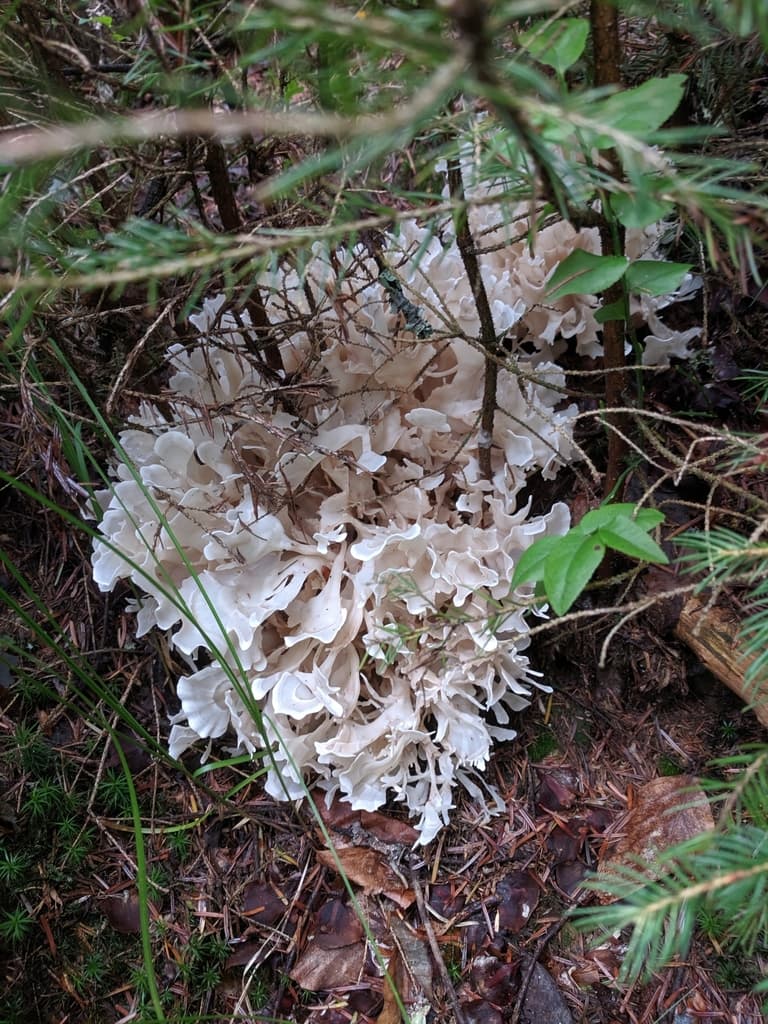
Cauliflower MushroomMushroom
Hanabiratakelide was isolated from S. crispa fruiting bodies by Yoshikawa et al. and demonstrated dose-dependent inhibition of NF-κB activation in cell-based reporter assays. Anti-inflammatory activity was confirmed through suppression of LPS-induced cytokine production in murine macrophages. The compound is considered a chemotaxonomic marker for Sparassis species. All evidence is in vitro.
Found In 1 Herb
3D Molecular Structure
Beta-resorcylic acid lactone
Drag to rotate · Click atoms to explore
Hanabiratakelide
Beta-resorcylic acid lactoneCyclic esters with diverse pharmacological activities
Representative pattern: C₂₁H₃₀O₂
Atoms
Carbon
Oxygen
Live Research
This information is for educational purposes only and does not constitute medical advice. Always consult a qualified healthcare practitioner before using any herbal product.
These statements have not been evaluated by the Food and Drug Administration. This product is not intended to diagnose, treat, cure, or prevent any disease. This content is for educational purposes only and is not a substitute for professional medical advice.