Loading…
Back to Compound Explorer
Gamma-Linolenic Acid (GLA)
Clinical trialMechanism of Action
Converted via delta-6-desaturase to dihomo-gamma-linolenic acid (DGLA), which is metabolized by COX to prostaglandin E1 (PGE1) — an anti-inflammatory, vasodilatory eicosanoid. DGLA also competes with arachidonic acid for COX and lipoxygenase enzymes, reducing pro-inflammatory leukotriene and prostaglandin E2 synthesis.
GLA is converted by elongase to dihomo-gamma-linolenic acid (DGLA), which serves as a substrate for cyclooxygenase-1 to produce anti-inflammatory prostaglandin E1 (PGE1) and 15-hydroxy-DGLA (15-HETrE), a potent inhibitor of leukotriene B4 formation. DGLA competes with arachidonic acid for incorporation into cell membrane phospholipids and for access to COX and LOX enzymes, effectively shifting the eicosanoid balance from pro-inflammatory to anti-inflammatory mediators. GLA also modulates T-cell function and reduces pro-inflammatory cytokine production (TNF-α, IL-1β, IL-6).
Delta-6-desaturase substrate for DGLA; prostaglandin E1 precursor
Converted to dihomo-gamma-linolenic acid (DGLA), which competes with arachidonic acid for COX enzymes, producing anti-inflammatory prostaglandin E1 (PGE1) instead of pro-inflammatory PGE2; modulates immune cell membrane composition
Research Notes
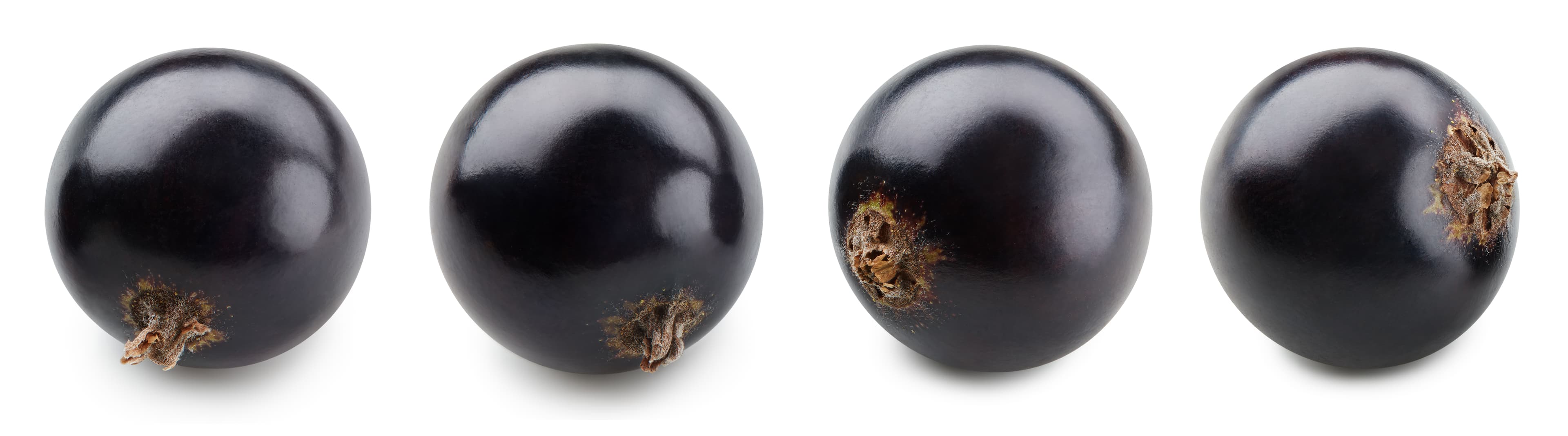
BlackcurrantWestern
Clinical studies with GLA-rich seed oils (evening primrose and blackcurrant) have demonstrated modest benefits in rheumatoid arthritis symptom scores, atopic eczema severity, and mastalgia. A 12-week RCT using blackcurrant seed oil showed significant reductions in joint tenderness and morning stiffness in patients with rheumatoid arthritis. Evidence quality is moderate with some heterogeneity across trials.
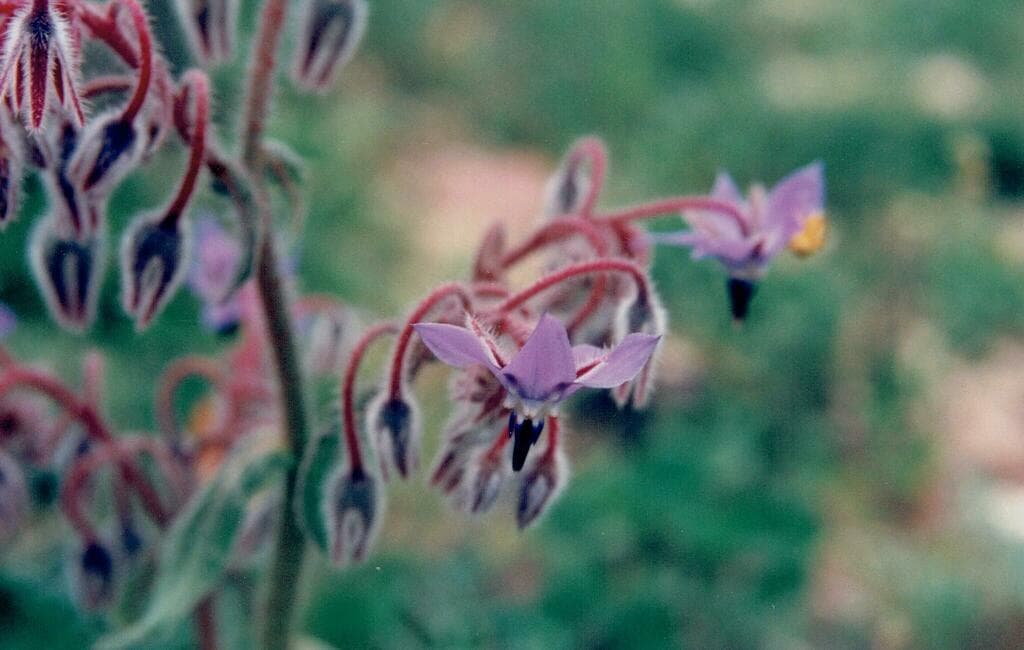
BorageWestern
A 2013 Cochrane review of GLA supplementation for atopic eczema was inconclusive, though some individual trials showed benefit. A 2014 meta-analysis of GLA for rheumatoid arthritis (6 RCTs, n=339) showed significant reductions in pain, morning stiffness, and joint tenderness with GLA doses of 1.4–2.8 g/day over 6 months. Borage oil provides more GLA per capsule than evening primrose oil (20–26% vs. 7–10%), making it a more efficient delivery vehicle.
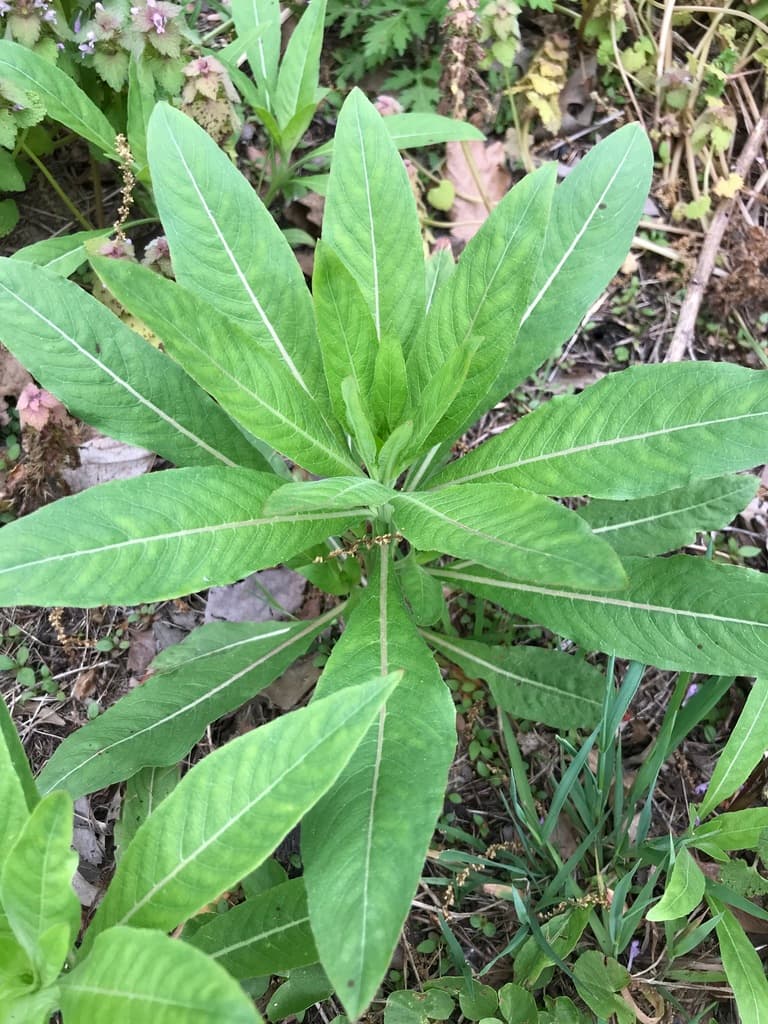
Evening PrimroseWestern
GLA is converted to dihomogamma-linolenic acid, leading to anti-inflammatory PGE1 production. Clinical trials demonstrate modest efficacy for cyclical breast pain and PMS symptoms with 1.4-2.8g daily dosing.
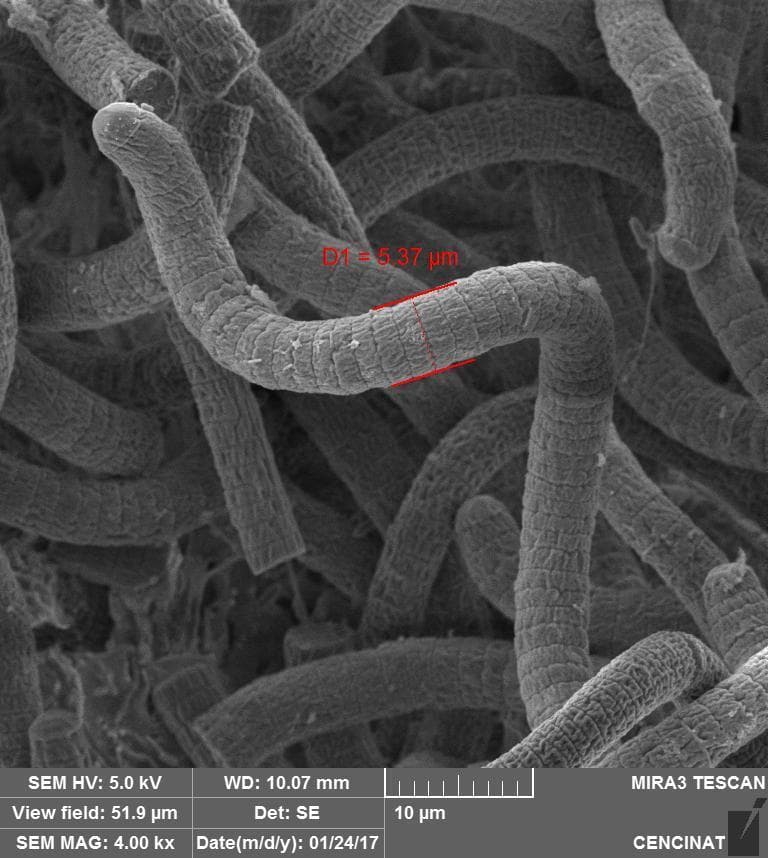
SpirulinaWestern
Spirulina is one of the few dietary sources of GLA, containing 1-2% of dry weight. GLA supplementation from various sources has shown clinical benefit in rheumatoid arthritis, atopic eczema, and diabetic neuropathy. The GLA content of spirulina contributes to its anti-inflammatory profile but is typically below therapeutic doses used in dedicated GLA trials.
Found In 4 Herbs
3D Molecular Structure
Omega-6 polyunsaturated fatty acid
Drag to rotate · Click atoms to explore
Gamma-Linolenic Acid (GLA)
Omega-6 polyunsaturated fatty acidBioactive phytochemical with therapeutic properties
Representative pattern: C₄H₂NO
Atoms
Carbon
Oxygen
Nitrogen
Hydrogen
Live Research
This information is for educational purposes only and does not constitute medical advice. Always consult a qualified healthcare practitioner before using any herbal product.
These statements have not been evaluated by the Food and Drug Administration. This product is not intended to diagnose, treat, cure, or prevent any disease. This content is for educational purposes only and is not a substitute for professional medical advice.