Loading…
Back to Compound Explorer
Eucalyptin
PreliminaryMechanism of Action
Eucalyptin (5-hydroxy-4',7-dimethoxyflavone) is a lipophilic flavonoid that contributes to the anti-inflammatory and antioxidant properties of eucalyptus leaf extracts. It inhibits prostaglandin synthesis through suppression of COX-2 expression, reduces leukotriene production via 5-LOX inhibition, and scavenges reactive oxygen species (ROS) through direct radical quenching and chelation of pro-oxidant metal ions. Additionally, it has demonstrated aldose reductase inhibitory activity, which is relevant to diabetic complications, and exhibits moderate antimicrobial activity through inhibition of bacterial DNA gyrase.
Research Notes
EucalyptusWestern
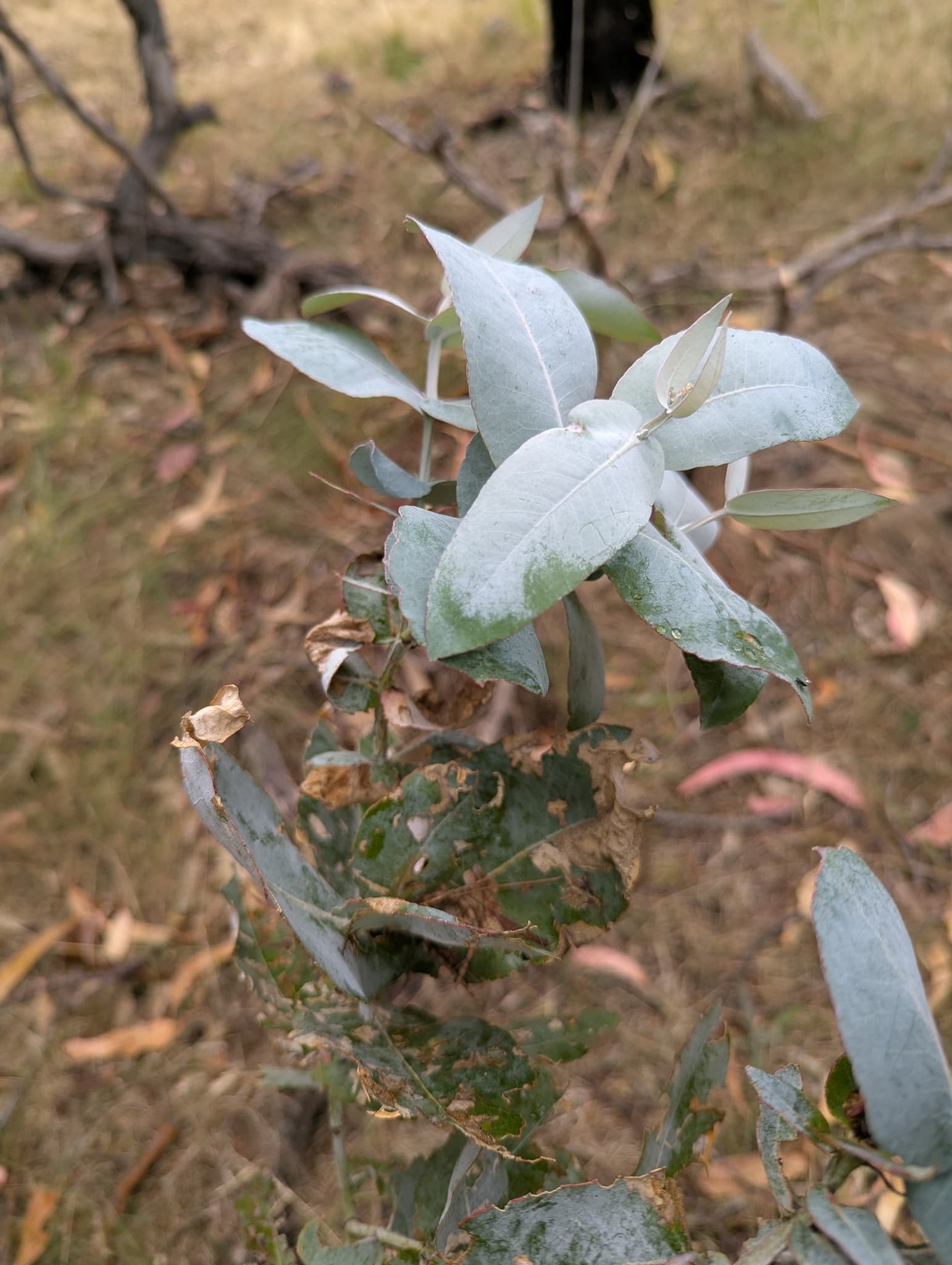
Eucalyptin is found primarily in leaf extracts rather than in steam-distilled essential oil (as it is non-volatile). In vitro studies by Santos et al. (2012) demonstrated significant anti-inflammatory activity of eucalyptin through dual COX-2/5-LOX inhibition at low micromolar concentrations. Research on E. globulus leaf methanolic extracts has identified eucalyptin as a major contributor to the antioxidant capacity of eucalyptus leaf preparations, though human clinical data specifically attributing effects to eucalyptin are lacking. It represents a pharmacologically relevant compound in traditional leaf tea and tincture preparations.
Found In 1 Herb
3D Molecular Structure
O-methylated flavone (dimethoxyflavone)
Drag to rotate · Click atoms to explore
Eucalyptin
O-methylated flavone (dimethoxyflavone)Bioactive phytochemical with therapeutic properties
Representative pattern: C₁₅H₁₀O₃
Atoms
Carbon
Oxygen
Live Research
This information is for educational purposes only and does not constitute medical advice. Always consult a qualified healthcare practitioner before using any herbal product.
These statements have not been evaluated by the Food and Drug Administration. This product is not intended to diagnose, treat, cure, or prevent any disease. This content is for educational purposes only and is not a substitute for professional medical advice.