Loading…
Back to Compound Explorer
Estragole (methyl chavicol)
In vitro / AnimalMechanism of Action
Flavour compound varying by chemotype; metabolised to 1'-hydroxyestragole, a DNA-reactive genotoxin, limiting safe use of high-estragole preparations
Estragole (1-allyl-4-methoxybenzene) is the dominant volatile constituent of French tarragon essential oil and its primary flavor compound. Pharmacologically, it inhibits voltage-gated sodium channels (Nav1.4, Nav1.5) in a use-dependent manner — similar to lidocaine — reducing repetitive action potential firing in sensory neurons and smooth muscle. Calcium channel antagonism (L-type) in gastrointestinal smooth muscle produces antispasmodic effects, reducing intestinal cramping and colonic motility disturbances. Anti-inflammatory activity involves downregulation of NF-κB-dependent cytokine production and inhibition of arachidonic acid cascade enzymes. Toxicologically, estragole undergoes hepatic CYP1A2 and CYP2A6-mediated 1'-hydroxylation to 1'-hydroxyestragole, which forms a sulfate ester that reacts with DNA adenine residues; however, the threshold for carcinogenic risk in humans from dietary herb consumption is considered by EFSA to be orders of magnitude above typical culinary intake levels.
Research Notes
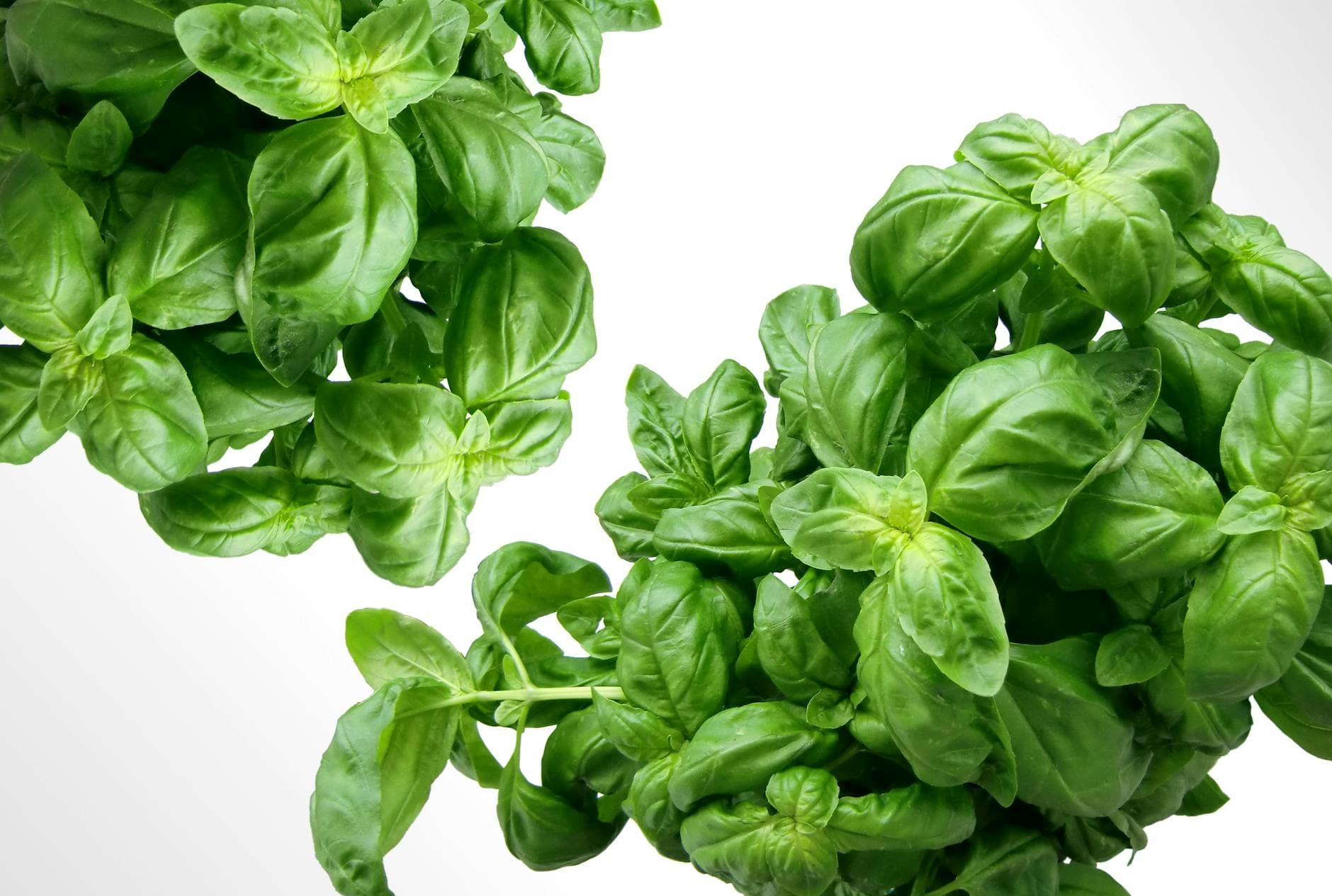
BasilWestern
Classified as a potential genotoxic carcinogen at high doses by EFSA. Risk is dose-dependent and primarily relevant to concentrated essential oil preparations, not culinary herb use. Chemotype selection is critical for medicinal use.
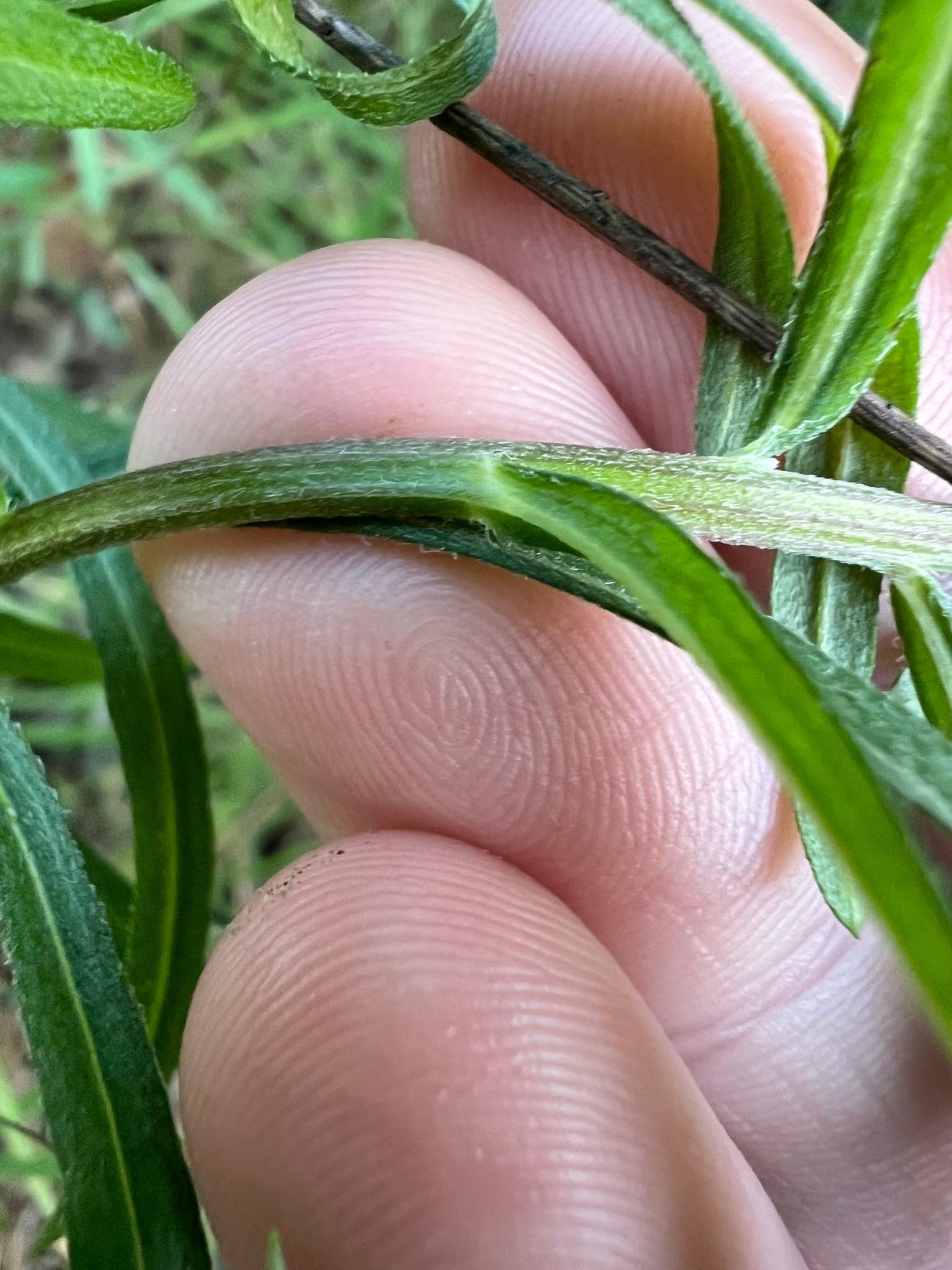
TarragonWestern
Antispasmodic effects of estragole have been confirmed in ex vivo guinea pig ileum preparations (IC50 ~40 µM) and rat uterine strip preparations, with smooth muscle relaxation comparable to papaverine at higher doses. Local anesthetic activity was confirmed in rat sciatic nerve block models at 50 mM concentrations. The carcinogenicity risk of dietary estragole was comprehensively evaluated by EFSA (2001, reaffirmed 2012): the margin of exposure (MOE) for dietary intake through food flavorings was calculated at >10,000, generally considered acceptable risk; MOE for supplement-dose concentrated estragole was substantially lower (~1,000), warranting regulatory restriction of non-food applications. No clinical trials specifically targeting estragole-mediated antispasmodic or anesthetic activity in humans have been conducted.
Found In 2 Herbs
3D Molecular Structure
Phenylpropanoid Ether
Drag to rotate · Click atoms to explore
Estragole (methyl chavicol)
Phenylpropanoid EtherBioactive phytochemical with therapeutic properties
Representative pattern: C₇H₆O₃
Atoms
Carbon
Oxygen
Hydrogen
Live Research
This information is for educational purposes only and does not constitute medical advice. Always consult a qualified healthcare practitioner before using any herbal product.
These statements have not been evaluated by the Food and Drug Administration. This product is not intended to diagnose, treat, cure, or prevent any disease. This content is for educational purposes only and is not a substitute for professional medical advice.