Loading…
Back to Compound Explorer
Eritadenine (lentysine, lentinacin)
AnimalMechanism of Action
Inhibits S-adenosylhomocysteine hydrolase (SAHH), which disrupts the methylation of phosphatidylethanolamine (PE) to phosphatidylcholine (PC) in the liver. This shifts hepatic phospholipid ratios, reducing the assembly and secretion of VLDL cholesterol particles. Also accelerates removal of circulating LDL by upregulating hepatic LDL receptor expression. Mechanism is entirely distinct from statins (HMG-CoA reductase inhibition), fibrates, or bile acid sequestrants.
Research Notes
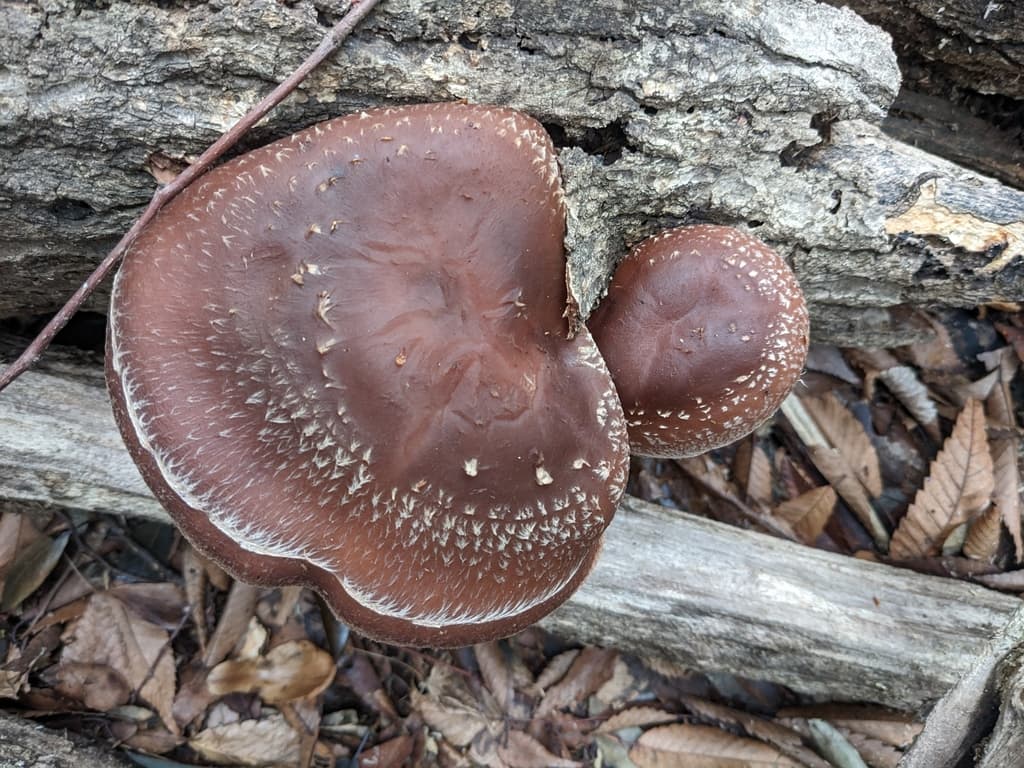
ShiitakeMushroom
Enman et al. (2007) confirmed eritadenine reduces total cholesterol by 25–30% in rats at 50 mg/kg/day. Sugiyama et al. (1995) elucidated the SAHH inhibition mechanism and PE/PC ratio alteration. Fukushima et al. (2001) demonstrated dose-dependent cholesterol reduction in rats fed shiitake-containing diets. Human data is limited to observational/dietary studies — no controlled trials with isolated eritadenine in humans have been published. Eritadenine is present at ~3–6 mg/g in dried shiitake fruiting body.
Found In 1 Herb
3D Molecular Structure
Purine alkaloid (adenosine derivative)
Drag to rotate · Click atoms to explore
Eritadenine (lentysine, lentinacin)
Purine alkaloid (adenosine derivative)Nitrogen-containing compounds with potent pharmacological effects
Representative pattern: C₉H₇N₂O
Atoms
Nitrogen
Carbon
Hydrogen
Oxygen
Live Research
This information is for educational purposes only and does not constitute medical advice. Always consult a qualified healthcare practitioner before using any herbal product.
These statements have not been evaluated by the Food and Drug Administration. This product is not intended to diagnose, treat, cure, or prevent any disease. This content is for educational purposes only and is not a substitute for professional medical advice.