Loading…
Back to Compound Explorer
Ergothioneine
ObservationalMechanism of Action
Ergothioneine is transported into mammalian cells exclusively via OCTN1 (SLC22A4), a sodium-dependent, saturable active transporter (Km = 21 µmol/L) with 12 transmembrane segments. It selectively accumulates in mitochondria — the primary site of cellular ROS generation — where it directly scavenges peroxynitrite and superoxide radicals. Ergothioneine activates the Nrf2 (nuclear factor erythroid 2-related factor 2) transcription factor by binding Keap1 (Kelch-like ECH-associated protein 1), preventing Nrf2 ubiquitination and degradation. This promotes nuclear translocation of Nrf2 and upregulation of antioxidant response element (ARE) genes including SOD, catalase, and glutathione-S-transferase. Its cellular half-life exceeds 30 days in humans, providing sustained intracellular antioxidant protection that is unavailable from dietary antioxidants without dedicated transporters.
Ergothioneine is a water-soluble, sulfur-containing amino acid that functions as a potent intracellular antioxidant. It is transported into human cells via the highly specific organic cation transporter OCTN1 (SLC22A4), which concentrates it in tissues subject to high oxidative stress including erythrocytes, liver, kidney, bone marrow, and the lens of the eye. Ergothioneine scavenges hydroxyl radicals, hypochlorous acid, and singlet oxygen, chelates divalent metal cations (Cu2+, Fe2+) to prevent Fenton chemistry, and protects mitochondrial DNA from oxidative damage. Unlike glutathione, it is remarkably stable and does not auto-oxidize under physiological conditions.
Research Notes
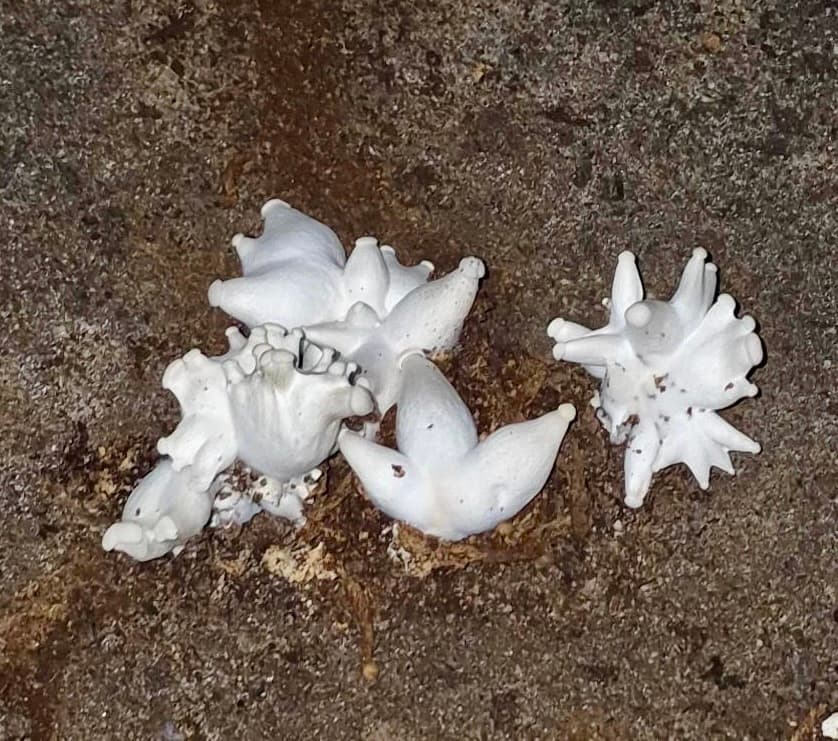
King TrumpetMushroom
Grundemann et al. (2005, PNAS) identified OCTN1/SLC22A4 as the specific ergothioneine transporter, establishing that mammals evolved a dedicated uptake mechanism for this fungal compound — a discovery that fundamentally reframed ergothioneine from a dietary curiosity to a potentially essential nutrient. Nrf2 pathway activation was confirmed through molecular docking and cell-based reporter assays. Neuroprotective effects demonstrated in primary hippocampal neurons and Alzheimer's disease mouse models. Epidemiological associations between low plasma ergothioneine and neurodegenerative disease risk have been reported in prospective cohort studies.
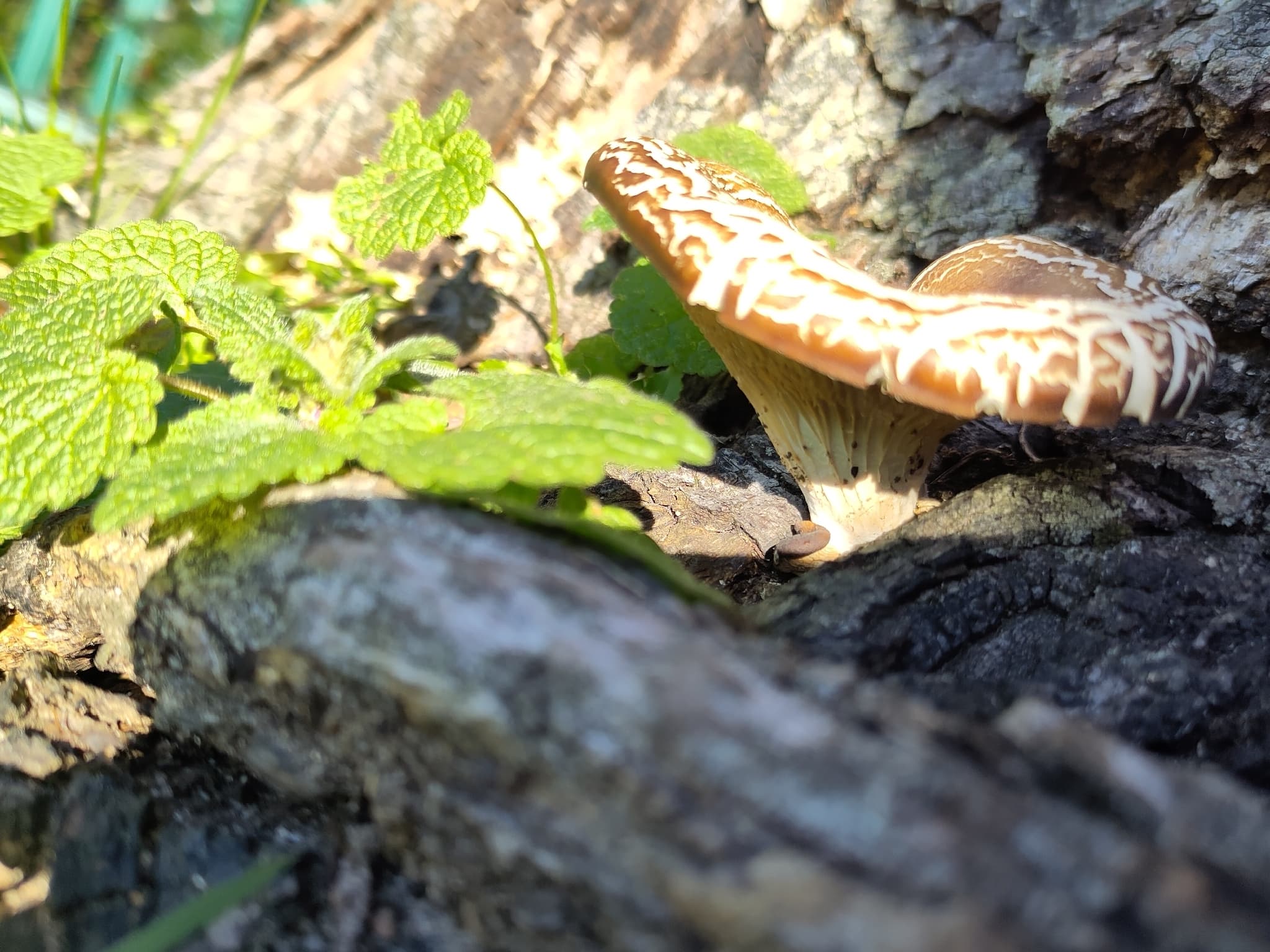
Oyster MushroomMushroom
Oyster mushrooms contain among the highest ergothioneine concentrations of any food source at approximately 542 mg/kg dry weight. Epidemiological studies have inversely correlated dietary ergothioneine intake with cardiovascular disease and all-cause mortality risk. A 2020 study demonstrated that food-waste-based substrates for P. ostreatus cultivation yielded nearly twice the ergothioneine content compared to conventional sawdust media. Ergothioneine has been proposed as a "longevity vitamin" based on evidence that its depletion accelerates age-related diseases.
Found In 2 Herbs
3D Molecular Structure
Thiol-histidine betaine (sulfur-containing amino acid)
Drag to rotate · Click atoms to explore
Ergothioneine
Thiol-histidine betaine (sulfur-containing amino acid)Bioactive phytochemical with therapeutic properties
Representative pattern: C₄H₂NO
Atoms
Carbon
Oxygen
Nitrogen
Hydrogen
Live Research
This information is for educational purposes only and does not constitute medical advice. Always consult a qualified healthcare practitioner before using any herbal product.
These statements have not been evaluated by the Food and Drug Administration. This product is not intended to diagnose, treat, cure, or prevent any disease. This content is for educational purposes only and is not a substitute for professional medical advice.