Loading…
Back to Compound Explorer
Diosgenin
In vitro / AnimalMechanism of Action
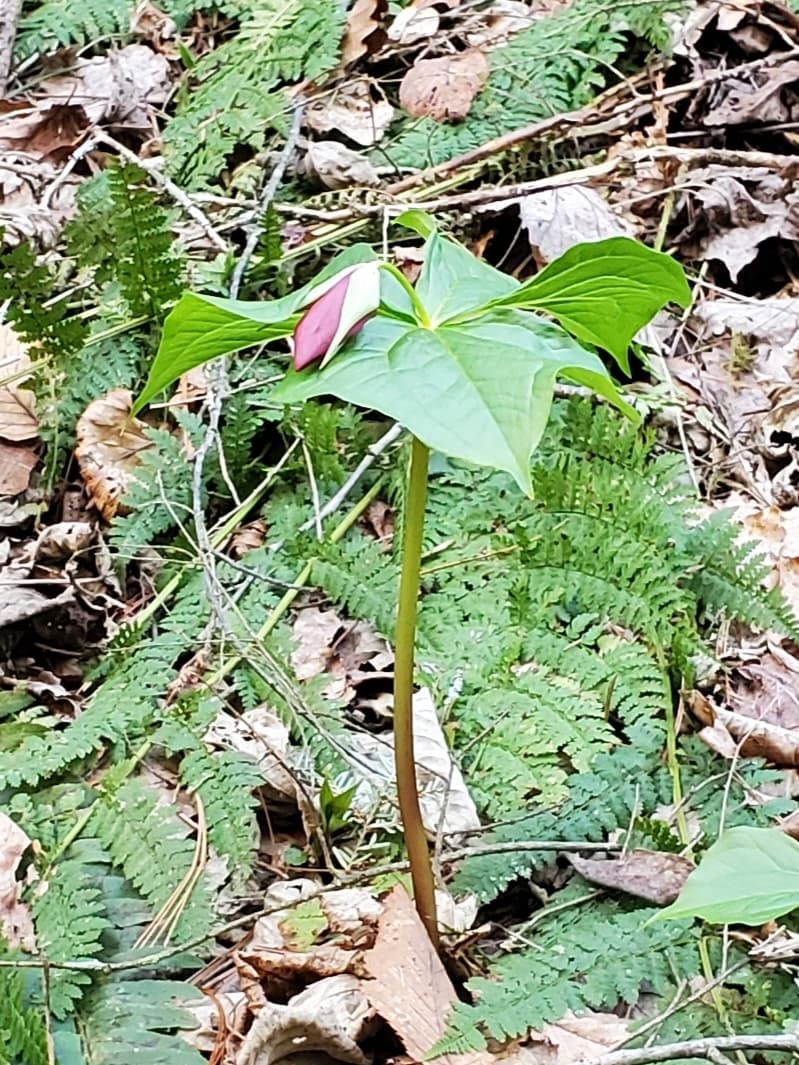
Diosgenin is a steroidal sapogenin that serves as a precursor for the semi-synthesis of progesterone, cortisone, and other steroid hormones. In biological systems, diosgenin modulates estrogen receptor signaling and has been shown to influence steroidogenesis. It inhibits NF-κB activation, reduces pro-inflammatory cytokine expression, and induces apoptosis in cancer cell lines through activation of the p53 pathway and downregulation of Bcl-2. Diosgenin also stimulates uterine smooth muscle tone, which may underpin beth root's traditional use as a uterine tonic.
Diosgenin binds to and modulates estrogen receptor beta (ERβ) with weak phytoestrogenic activity. It activates AMPK signaling to promote glucose uptake in skeletal muscle cells independently of insulin. In inflammatory pathways, diosgenin suppresses NF-κB nuclear translocation and inhibits TNF-α-induced ICAM-1 and VCAM-1 expression on endothelial cells, reducing leukocyte adhesion. It also induces apoptosis in cancer cell lines via activation of the intrinsic mitochondrial pathway (caspase-9/caspase-3 cascade) and inhibition of the Akt/mTOR proliferative signaling axis.
Anti-inflammatory; modulates osteoclast differentiation; estrogenic activity via estrogen receptor binding
Precursor for pharmaceutical steroid synthesis; anti-inflammatory via NF-κB inhibition; oestrogenic modulation
Progestin precursor (substrate for progesterone synthesis in vitro only)
Research Notes
Beth RootWestern
Diosgenin has been extensively studied as a pharmaceutical precursor since Russell Marker's pioneering work in the 1940s synthesizing progesterone from diosgenin derived from Mexican yams. In vitro studies show anti-inflammatory activity through NF-κB suppression and cytotoxicity against breast (MCF-7), colon (HCT-116), and prostate (PC-3) cancer cells. A 2017 review in Pharmacological Research summarized evidence from over 50 preclinical studies demonstrating anti-inflammatory, antidiabetic, and anticancer properties. Human clinical evidence for diosgenin-specific effects from Trillium is absent.
In vivo studies in streptozotocin-induced diabetic rats showed diosgenin (40 mg/kg/day) significantly reduced fasting blood glucose and improved lipid profiles over 45 days (Uemura et al., Mol Nutr Food Res, 2010). In vitro studies on HCT-116 colon cancer cells demonstrated IC50 values of approximately 10 μM with induction of G2/M cell cycle arrest. A small open-label clinical trial in 24 postmenopausal women consuming yam-enriched diets showed improvements in sex hormone profiles and lipid markers, though the study lacked a placebo control (Wu et al., J Am Coll Nutr, 2005).
DashamoolaAyurvedic
Diosgenin from Kantakari contributes to Dashamoola anti-inflammatory and joint-protective effects. Preclinical studies show reduction in inflammatory cytokines.
Methi (Fenugreek)Ayurvedic
Anti-inflammatory and anti-diabetic effects in animal models. Used industrially as steroid precursor.
Wild YamWestern
While diosgenin serves as a pharmaceutical precursor for progesterone synthesis in laboratories, the human body cannot efficiently convert dietary diosgenin to bioactive progesterone. Clinical evidence does not support progesterone production from Wild Yam ingestion.
Found In 5 Herbs



3D Molecular Structure
Steroidal sapogenin
Drag to rotate · Click atoms to explore
Diosgenin
Steroidal sapogeninLipid-based molecules that regulate physiological processes
Representative pattern: C₂₁H₃₀O₂
Atoms
Carbon
Oxygen
Related Compounds (Steroidal sapogenin)
Live Research
This information is for educational purposes only and does not constitute medical advice. Always consult a qualified healthcare practitioner before using any herbal product.
These statements have not been evaluated by the Food and Drug Administration. This product is not intended to diagnose, treat, cure, or prevent any disease. This content is for educational purposes only and is not a substitute for professional medical advice.