Loading…
Back to Compound Explorer
D-fraction (Grifola frondosa proteoglucan)
Clinical trialMechanism of Action
Activates innate immune cells by binding Dectin-1 and TLR-2 receptors on macrophages, dendritic cells, and NK cells. Enhances phagocytosis, cytokine production (IL-12, IFN-γ, TNF-α), and dendritic cell maturation, shifting the immune response toward a Th1-dominant profile. Promotes NK cell cytotoxicity against tumor cell lines. The protein component enhances intestinal absorption of the glucan fraction.
Research Notes
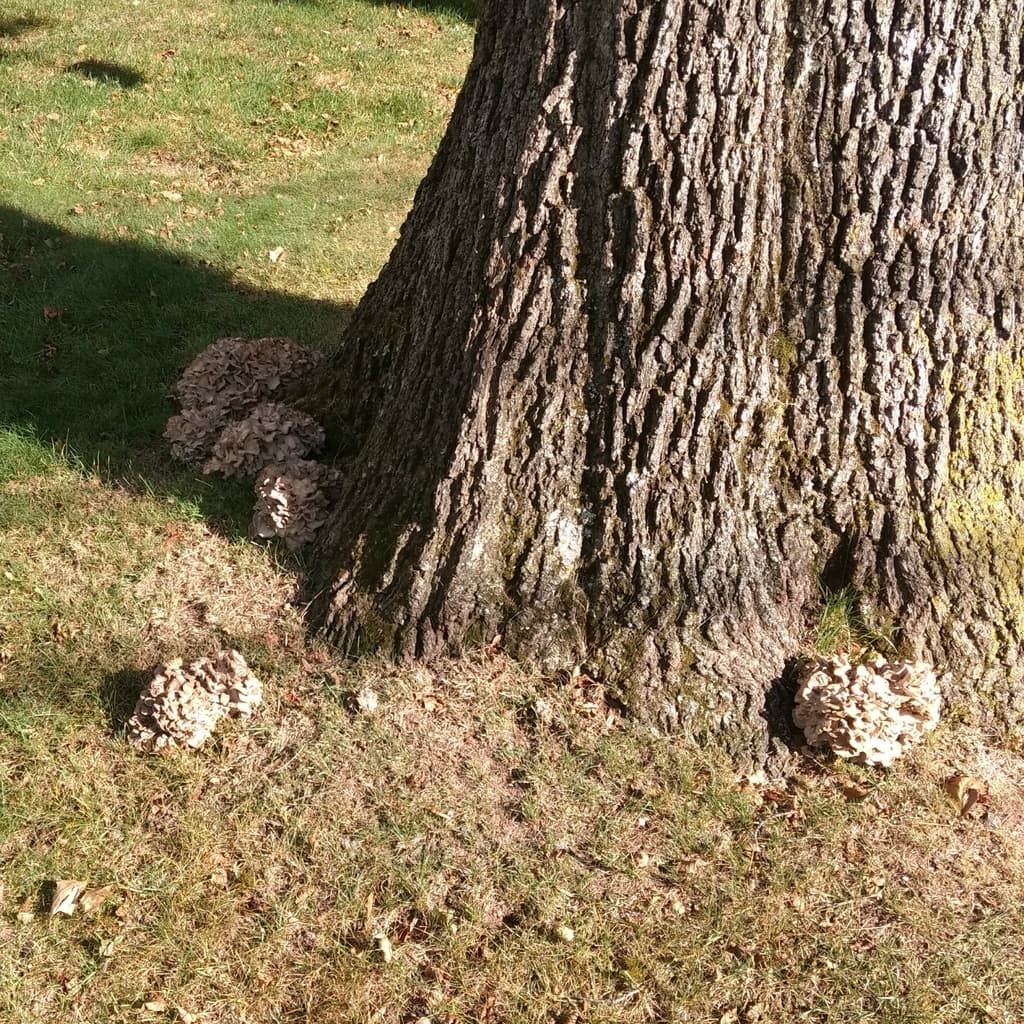
MaitakeMushroom
Nanba and colleagues demonstrated D-fraction's anti-tumor activity in sarcoma 180-bearing mice (1987–1995), with tumor regression rates of 70–90% in some models. A Phase I/II trial at Memorial Sloan Kettering (Deng et al., 2009) in 34 postmenopausal breast cancer patients showed that D-fraction stimulated NK cell activity and enhanced immunological function without significant adverse effects. Kodama et al. (2003) published case series data suggesting clinical benefit in hepatocellular carcinoma and lung cancer patients receiving D-fraction adjunctively. No large-scale RCTs completed as of 2025.
Found In 1 Herb
3D Molecular Structure
Protein-bound beta-1,6/1,3-glucan polysaccharide
Drag to rotate · Click atoms to explore
D-fraction (Grifola frondosa proteoglucan)
Protein-bound beta-1,6/1,3-glucan polysaccharideComplex carbohydrate polymers that modulate immune response
Representative pattern: (C₆H₁₀O₅)ₙ
Atoms
Carbon
Oxygen
Live Research
This information is for educational purposes only and does not constitute medical advice. Always consult a qualified healthcare practitioner before using any herbal product.
These statements have not been evaluated by the Food and Drug Administration. This product is not intended to diagnose, treat, cure, or prevent any disease. This content is for educational purposes only and is not a substitute for professional medical advice.