Loading…
Back to Compound Explorer
CVG (Coriolus versicolor glucan)
PreliminaryMechanism of Action
CVG is a non-protein-bound beta-glucan fraction with a distinct molecular structure from PSK and PSP. It activates macrophage and dendritic cell responses through Dectin-1 receptor binding, promoting phagocytosis and reactive oxygen species (ROS) production. CVG also demonstrates significant prebiotic activity, serving as a fermentable substrate for commensal gut bacteria — particularly Bifidobacterium and Lactobacillus species — promoting eubiotic shifts in gut microbiome composition.
Research Notes
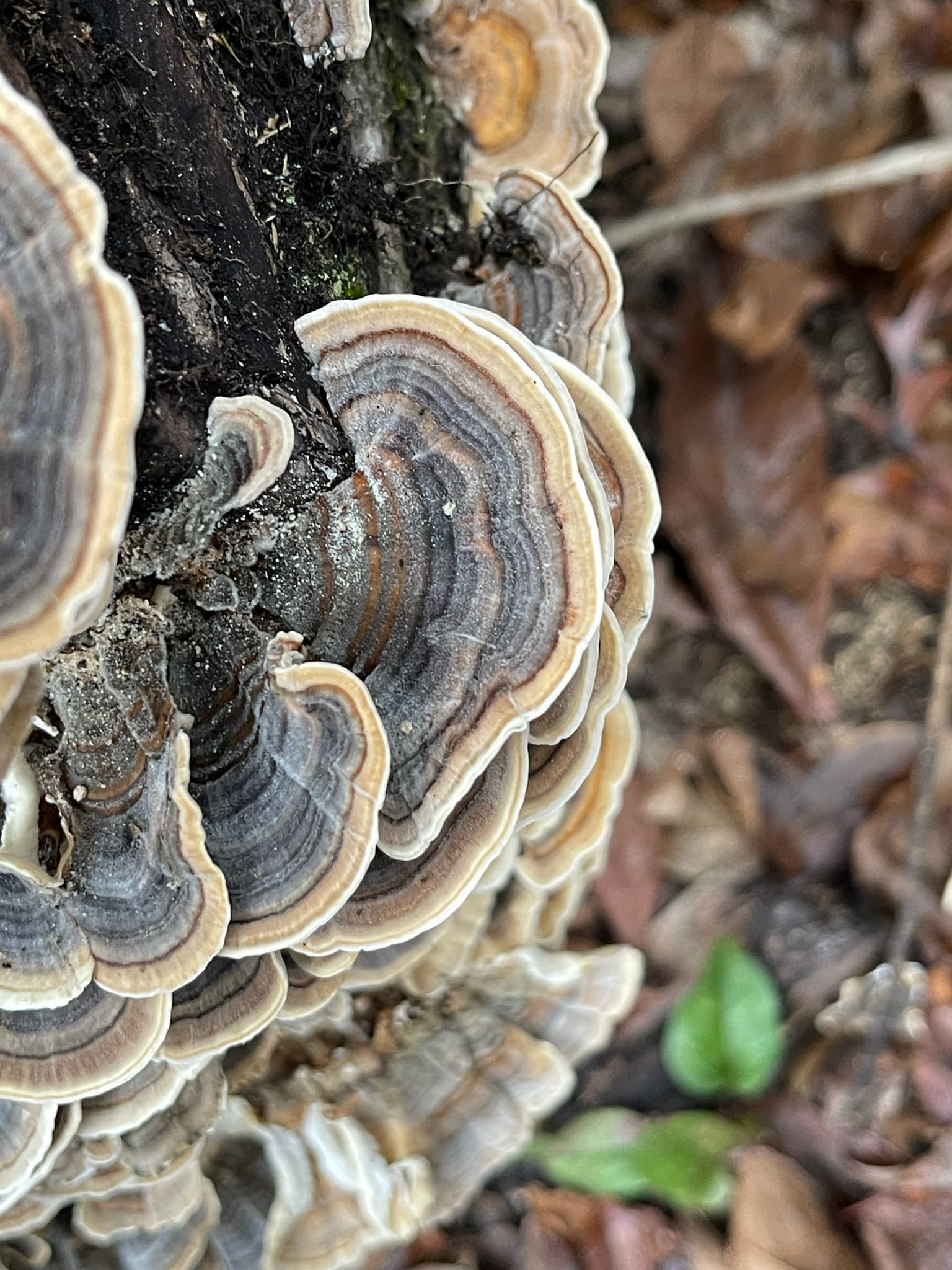
Turkey TailMushroom
Pallav et al. (2014, Gut Microbes, RCT, n=24) demonstrated that PSP/CVG fractions from T. versicolor produced consistent prebiotic-like changes in gut microbiome composition over 8 weeks, increasing Bifidobacterium and Lactobacillus populations while preventing the microbial disruption caused by antibiotics. The antibiotic comparison arm showed E. coli/Shigella overgrowth persisting 42+ days post-treatment, while the Turkey Tail arm maintained healthy microbiome diversity. In vitro studies show CVG enhances macrophage TNF-α and IL-6 production. Found in BOTH fruiting body and mycelium.
Found In 1 Herb
3D Molecular Structure
Beta-glucan (non-protein-bound)
Drag to rotate · Click atoms to explore
CVG (Coriolus versicolor glucan)
Beta-glucan (non-protein-bound)Immunomodulatory polysaccharides found in fungi and grains
Representative pattern: (C₆H₁₀O₅)ₙ
Atoms
Carbon
Oxygen
Live Research
This information is for educational purposes only and does not constitute medical advice. Always consult a qualified healthcare practitioner before using any herbal product.
These statements have not been evaluated by the Food and Drug Administration. This product is not intended to diagnose, treat, cure, or prevent any disease. This content is for educational purposes only and is not a substitute for professional medical advice.