Loading…
Back to Compound Explorer
Cordycepic acid (D-mannitol)
Traditional useMechanism of Action
Acts as an osmolyte in renal tubular cells, supporting kidney function and diuresis. Demonstrates antioxidant properties by scavenging hydroxyl radicals. May improve cerebral and peripheral blood flow through reduction of blood viscosity. Also acts as a cough suppressant through mechanisms related to bronchial mucosa hydration.
Research Notes
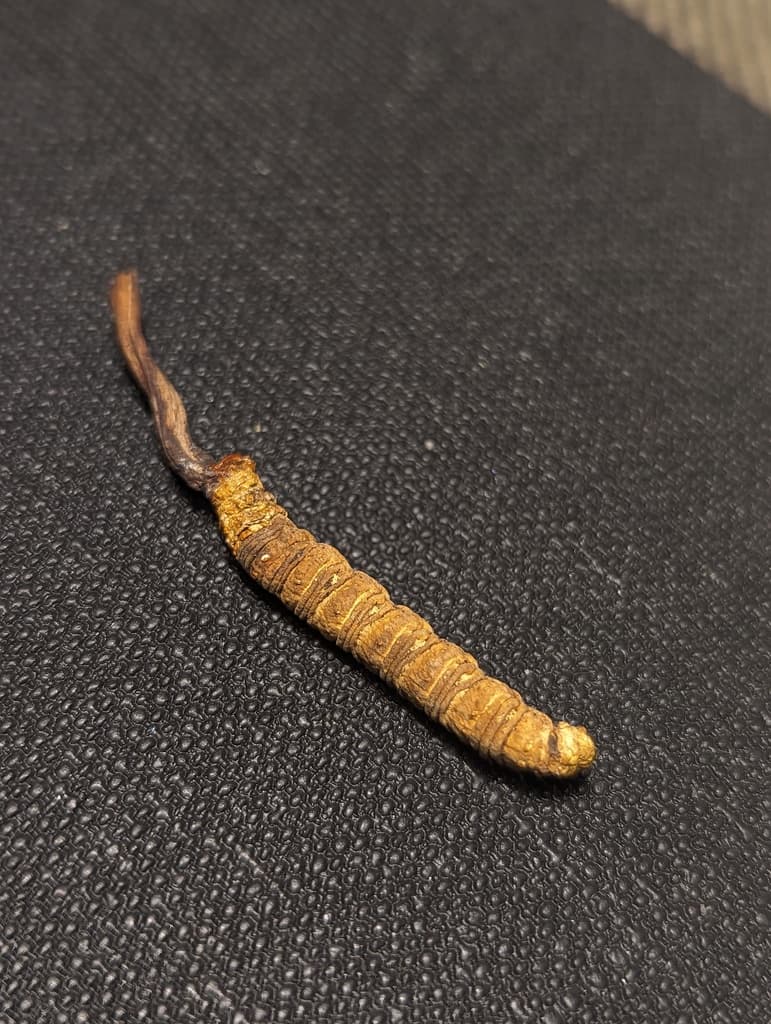
D-mannitol is not unique to Cordyceps but is present in unusually high concentrations (7–12% of dry weight in wild specimens). Chinese pharmacopoeia requires ≥7% mannitol as a quality standard for O. sinensis. While D-mannitol itself is well-characterized pharmacologically (used clinically as an osmotic diuretic), its specific contribution to O. sinensis's traditional effects is difficult to isolate from other bioactives. Cordycepic acid content is used as a primary authentication marker for genuine O. sinensis.
Found In 1 Herb
3D Molecular Structure
Sugar alcohol (polyol)
Drag to rotate · Click atoms to explore
Cordycepic acid (D-mannitol)
Sugar alcohol (polyol)Bioactive phytochemical with therapeutic properties
Representative pattern: C₄H₂NO
Atoms
Carbon
Oxygen
Nitrogen
Hydrogen
Live Research
This information is for educational purposes only and does not constitute medical advice. Always consult a qualified healthcare practitioner before using any herbal product.
These statements have not been evaluated by the Food and Drug Administration. This product is not intended to diagnose, treat, cure, or prevent any disease. This content is for educational purposes only and is not a substitute for professional medical advice.