Loading…
Back to Compound Explorer
Cinnamaldehyde
Clinical trialMechanism of Action
Primary bioactive volatile compound; provides antimicrobial, anti-inflammatory, and insulin-sensitizing activity through TRPA1 receptor activation and inhibition of NF-κB inflammatory pathways
Insulin sensitization via GLUT4 translocation, anti-inflammatory via NF-kB, antimicrobial, thermogenic via TRPA1, vasodilatory
Warming via TRPA1 channel activation; diaphoretic; anti-inflammatory; vasodilatory
Research Notes
CinnamonAyurvedic
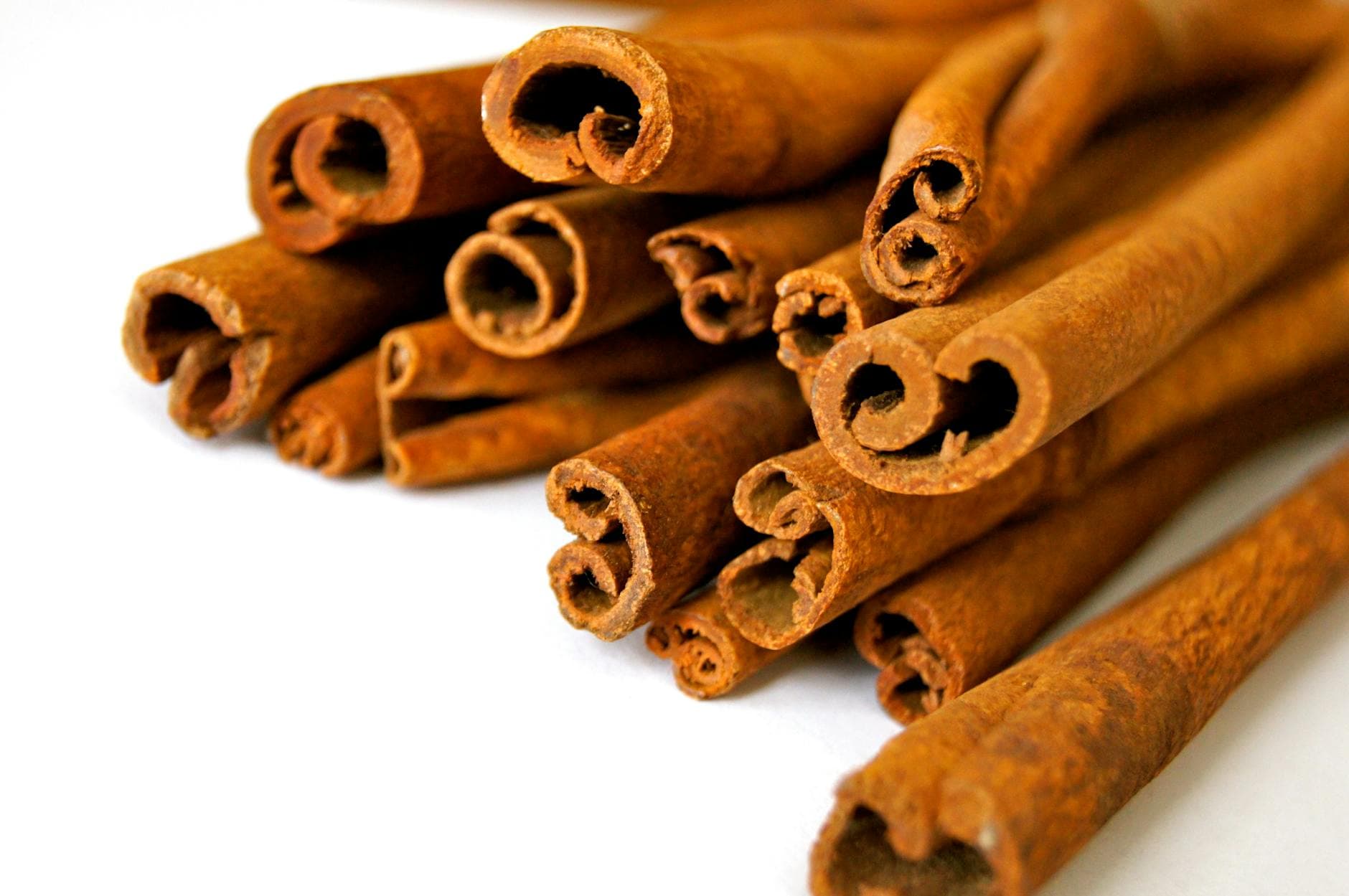
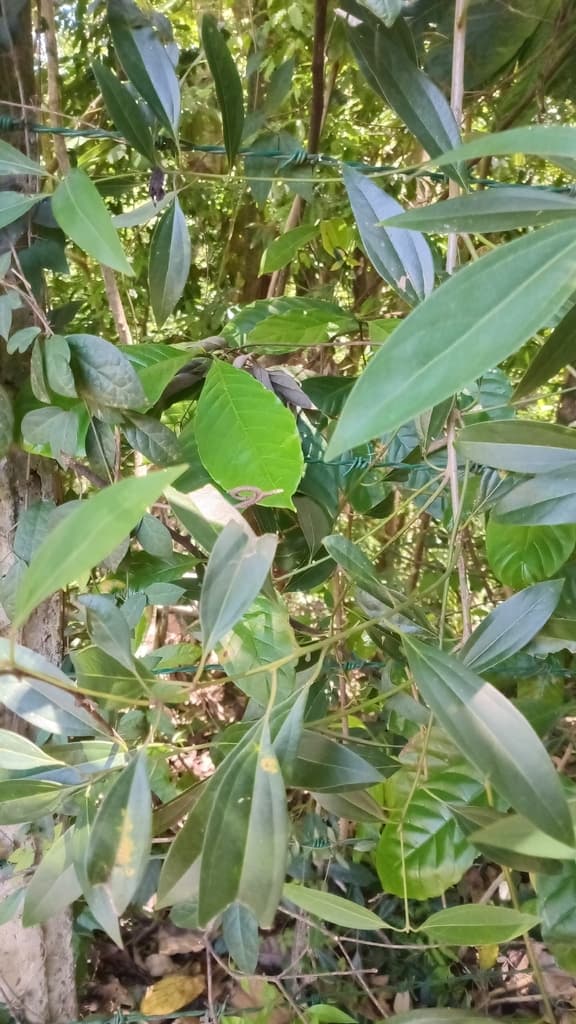
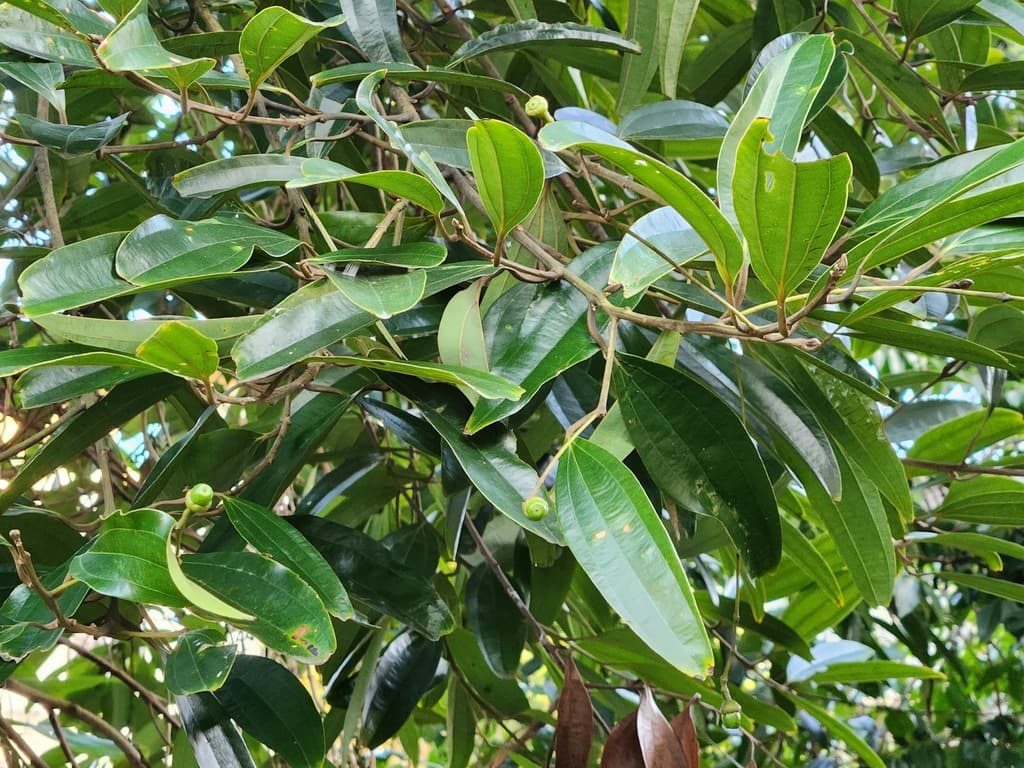
Well-characterized primary bioactive in cinnamon with strong evidence for antimicrobial, anti-inflammatory, and insulin-sensitizing activity through multiple mechanisms.
Improved insulin sensitivity and fasting glucose in type 2 diabetes RCTs. Antimicrobial against C. albicans and H. pylori. Thermogenic effect via TRPA1 receptor — pharmacological basis for TCM 'hot' nature.
Cinnamaldehyde is the primary aromatic compound in cinnamon twig. Clinical evidence supports warming, diaphoretic, and anti-inflammatory effects.
Found In 3 Herbs
3D Molecular Structure
Phenylpropanoid aldehyde
Drag to rotate · Click atoms to explore
Cinnamaldehyde
Phenylpropanoid aldehydeBioactive phytochemical with therapeutic properties
Representative pattern: C₇H₆O₃
Atoms
Carbon
Oxygen
Hydrogen
Live Research
This information is for educational purposes only and does not constitute medical advice. Always consult a qualified healthcare practitioner before using any herbal product.
These statements have not been evaluated by the Food and Drug Administration. This product is not intended to diagnose, treat, cure, or prevent any disease. This content is for educational purposes only and is not a substitute for professional medical advice.