Loading…
Back to Compound Explorer

Chlorogenic acid
Clinical trialMechanism of Action
Antioxidant and hepatoprotective; potentiates Phase II enzyme induction
Inhibits glucose-6-phosphate translocase in hepatic microsomes, reducing postprandial glucose absorption in the intestine via sodium-dependent glucose transporter 1 (SGLT1) inhibition. Activates AMPK signaling, mimicking effects of caloric restriction on glucose metabolism. Potent antioxidant via catechol-type radical scavenging.
Antioxidant compound confirmed in flowers and fruits; contributes to anti-inflammatory and antimicrobial activity
Major phenolic antioxidant with anti-inflammatory and hepatoprotective properties
Anti-inflammatory and hepatoprotective phenolic acid found in high concentrations in thistle-family plants
Antioxidant; anti-inflammatory; glucose metabolism modulation; diaphoretic
Anti-hypertensive; antioxidant; anti-diabetic via alpha-glucosidase inhibition; lipid-lowering
Antimicrobial and antioxidant activity; supports immune defence against respiratory infections
Anti-inflammatory and antioxidant; preliminary evidence for blood glucose modulation relevant to metabolic aspects of gout
Anti-inflammatory, antioxidant via Nrf2, antiviral, glucose metabolism modulation via AMPK
Antioxidant via Nrf2/HO-1 pathway and direct radical scavenging; anti-inflammatory via NF-κB inhibition; alpha-glucosidase inhibition (antidiabetic, shared with Sang Ye); ACE inhibitory activity; retinal cell protection against oxidative stress and blue light damage
Major antioxidant phenolic acid in pear fruit; anti-inflammatory and hypoglycaemic activity
Major antioxidant in plum fruit; anti-inflammatory and hypoglycaemic preclinical activity
Antioxidant phenolic contributing to hepatoprotective and anti-inflammatory activity
Inhibits glucose-6-phosphatase in the liver, reducing hepatic glucose output; inhibits alpha-glucosidase (complementary to DNJ); antioxidant via Nrf2/HO-1 pathway; anti-inflammatory via NF-κB suppression; ACE inhibitory activity (antihypertensive)
Antioxidant compound contributing to antibacterial and liver-protective effects confirmed in Sonchus arvensis research
Inhibits glucose-6-phosphatase reducing hepatic glucose output; antioxidant; modulates gut microbiome
Research Notes
Chlorogenic acid demonstrates complementary hepatoprotective activity. Inhibits hepatic lipid peroxidation and supports bile acid metabolism.
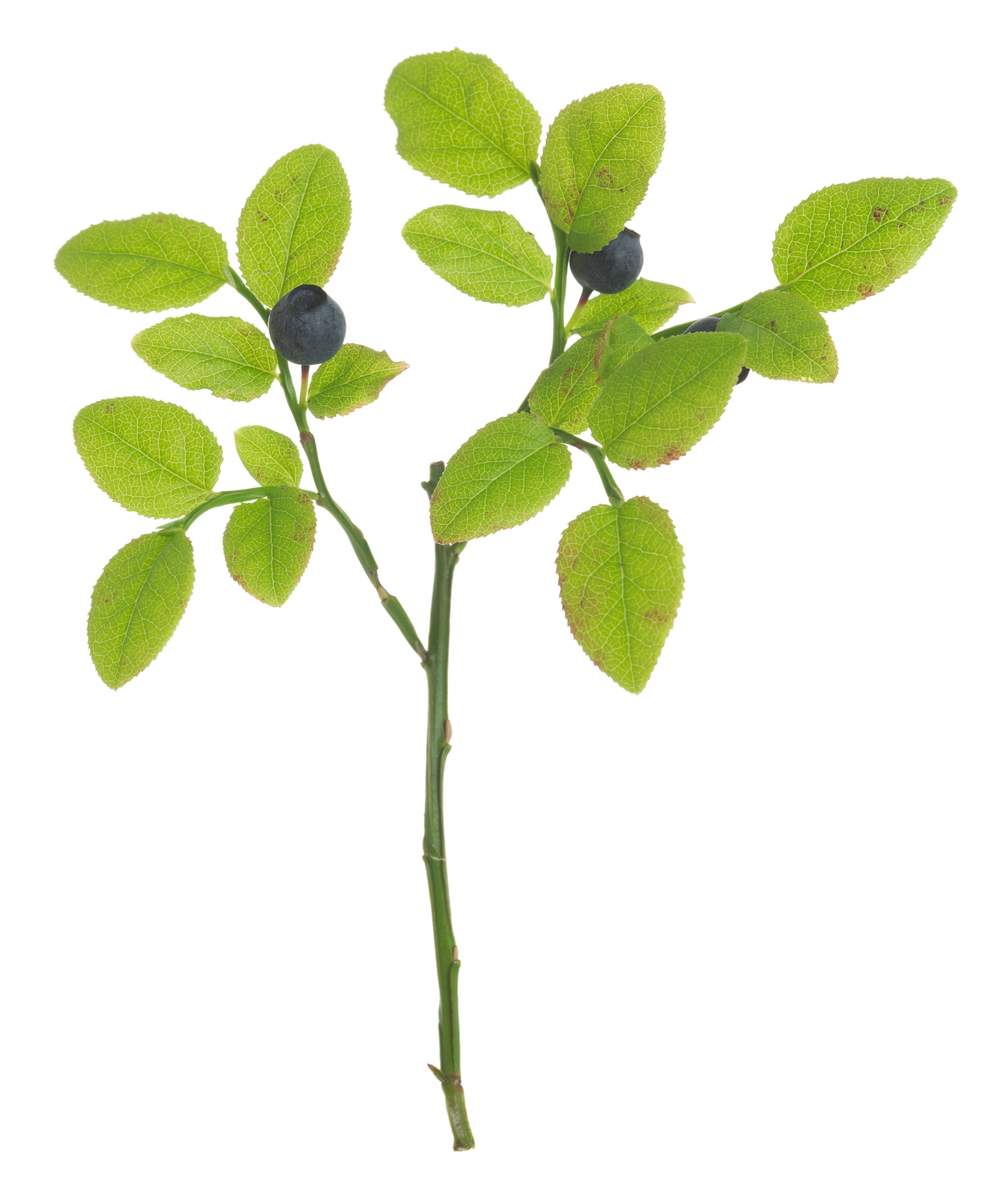
BilberryWestern
Clinical evidence from green coffee bean studies (high chlorogenic acid content) demonstrates modest fasting glucose and blood pressure reductions. Bilberry-specific data for chlorogenic acid effects on glycemia is limited but mechanistically plausible. Bioavailability studies show colonic microbiota-mediated conversion to ferulic and caffeic acids, which contribute to systemic antioxidant effects.
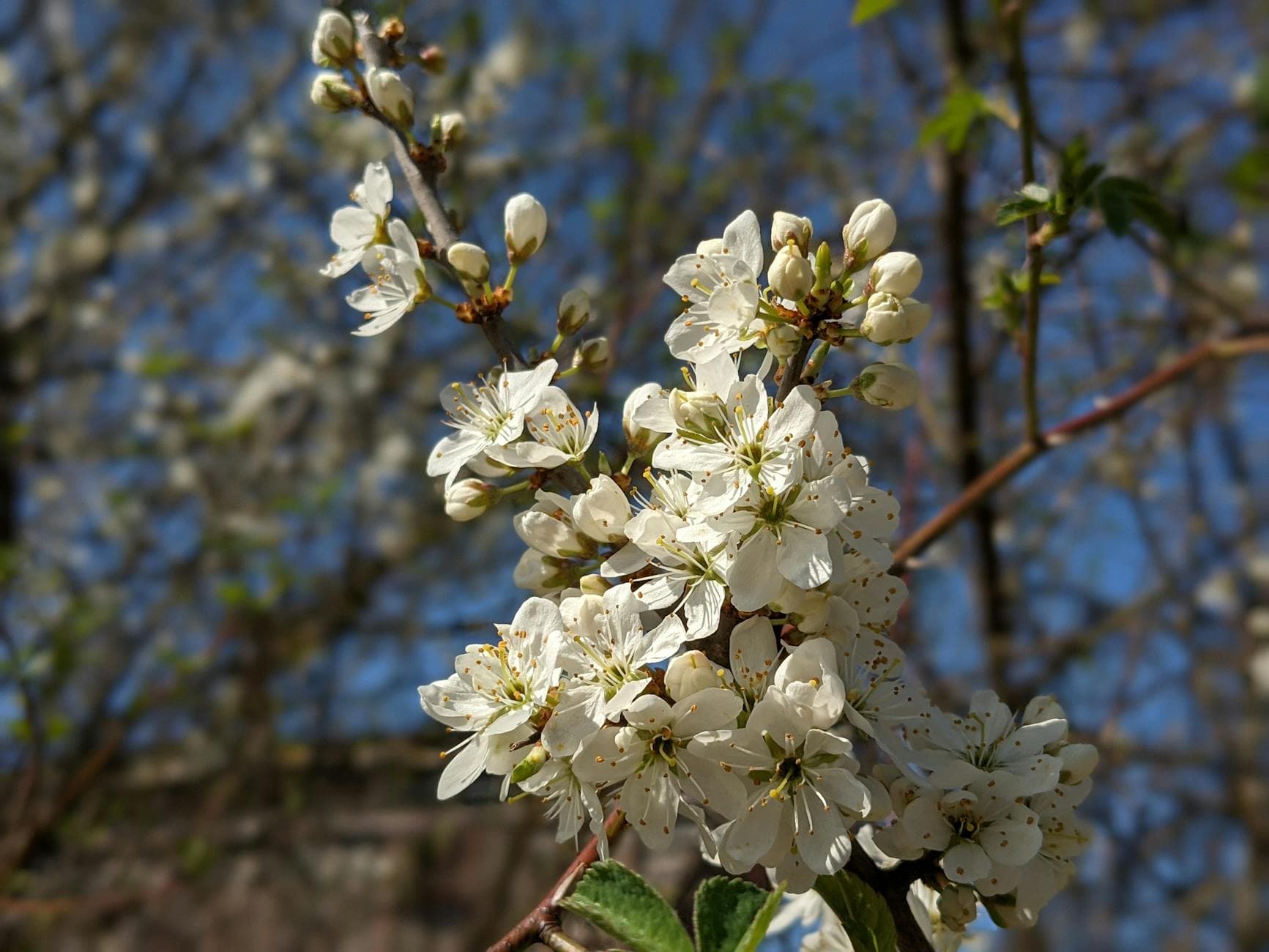
Blackthorn (Sloe)Western
Chlorogenic acid is a well-characterised hydroxycinnamic acid with established antioxidant and antimicrobial properties.
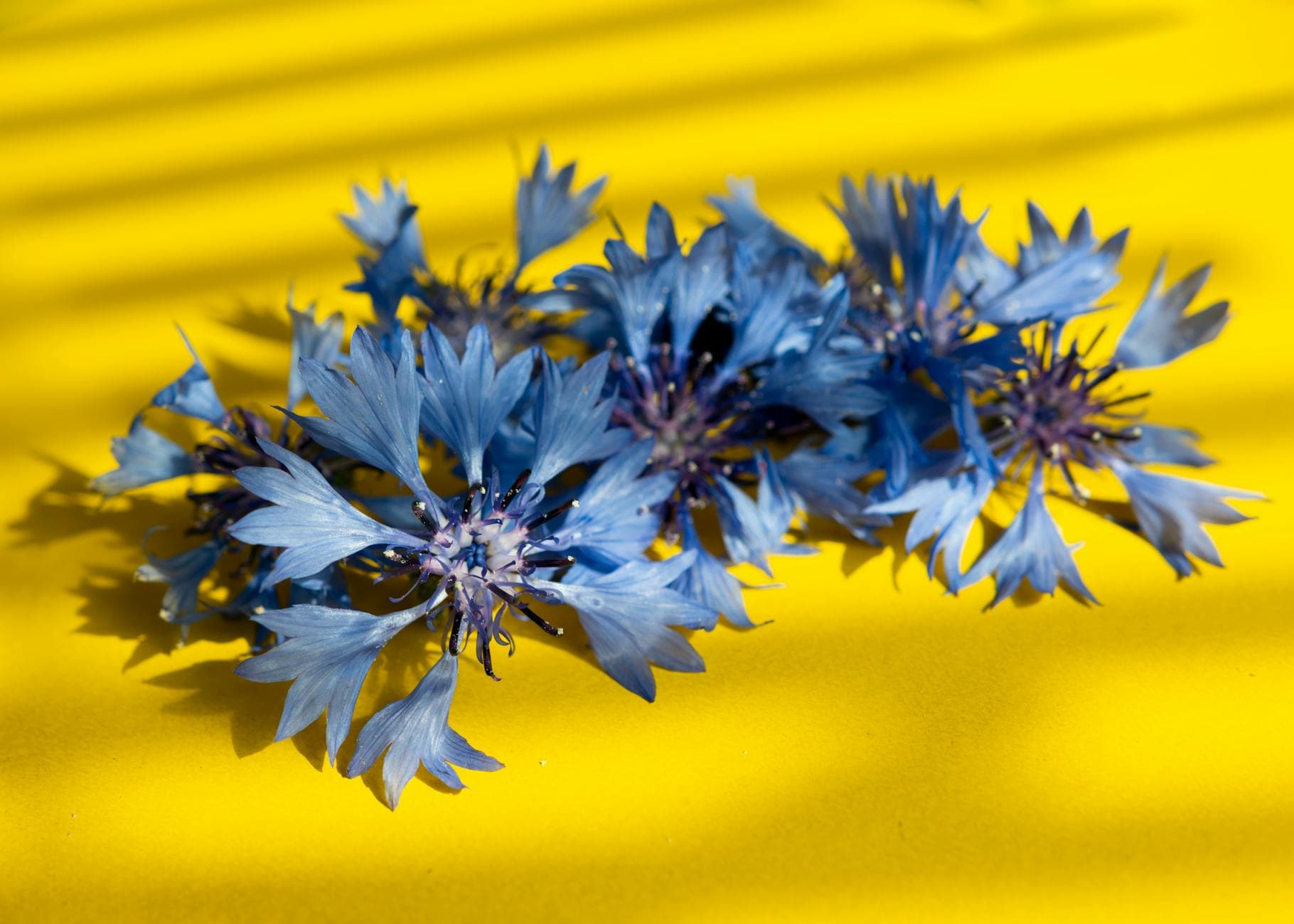
CornflowerWestern
Hepatoprotective and anti-inflammatory activity well documented across multiple plant sources. Antioxidant mechanism thoroughly characterised.
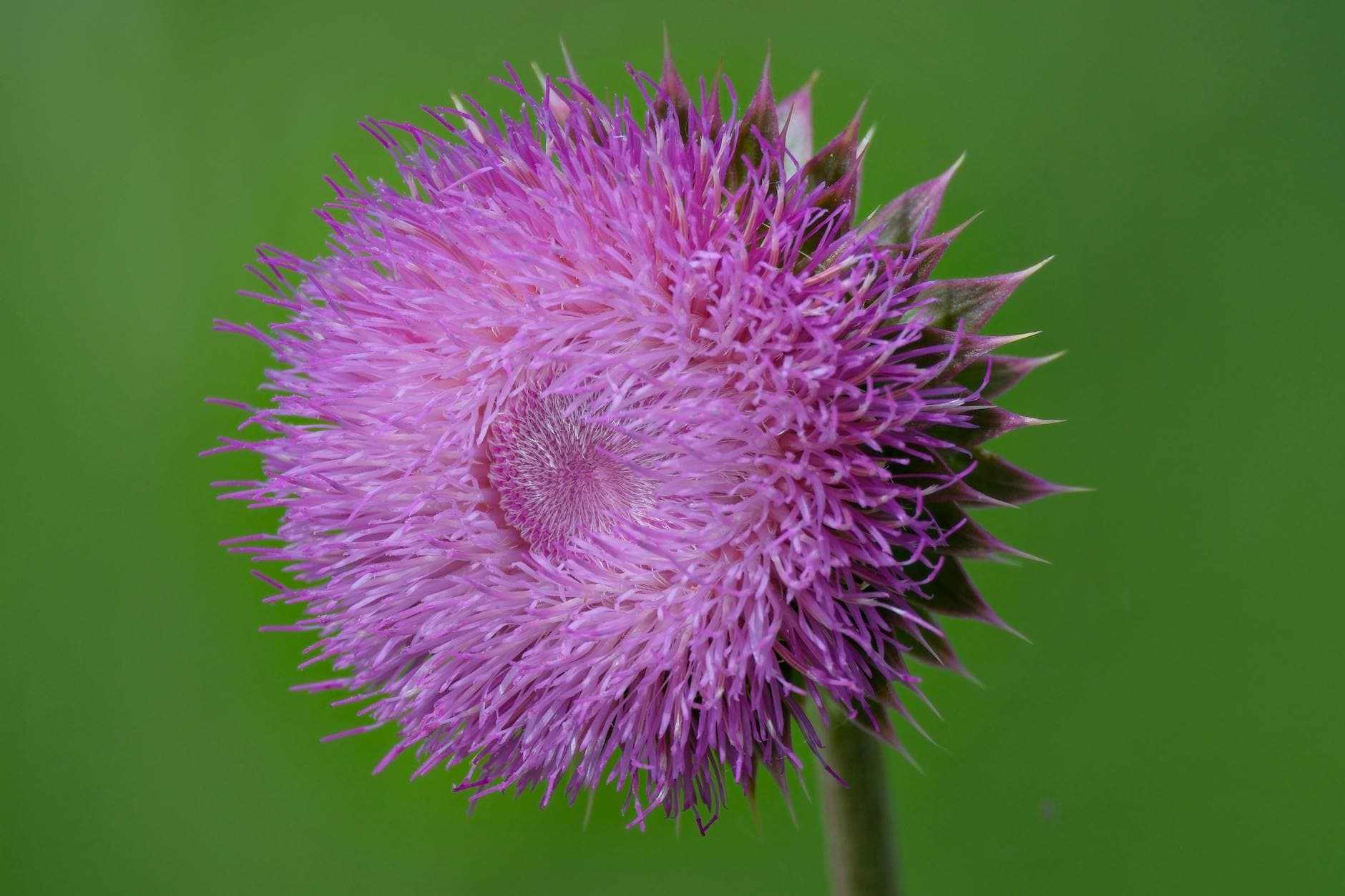
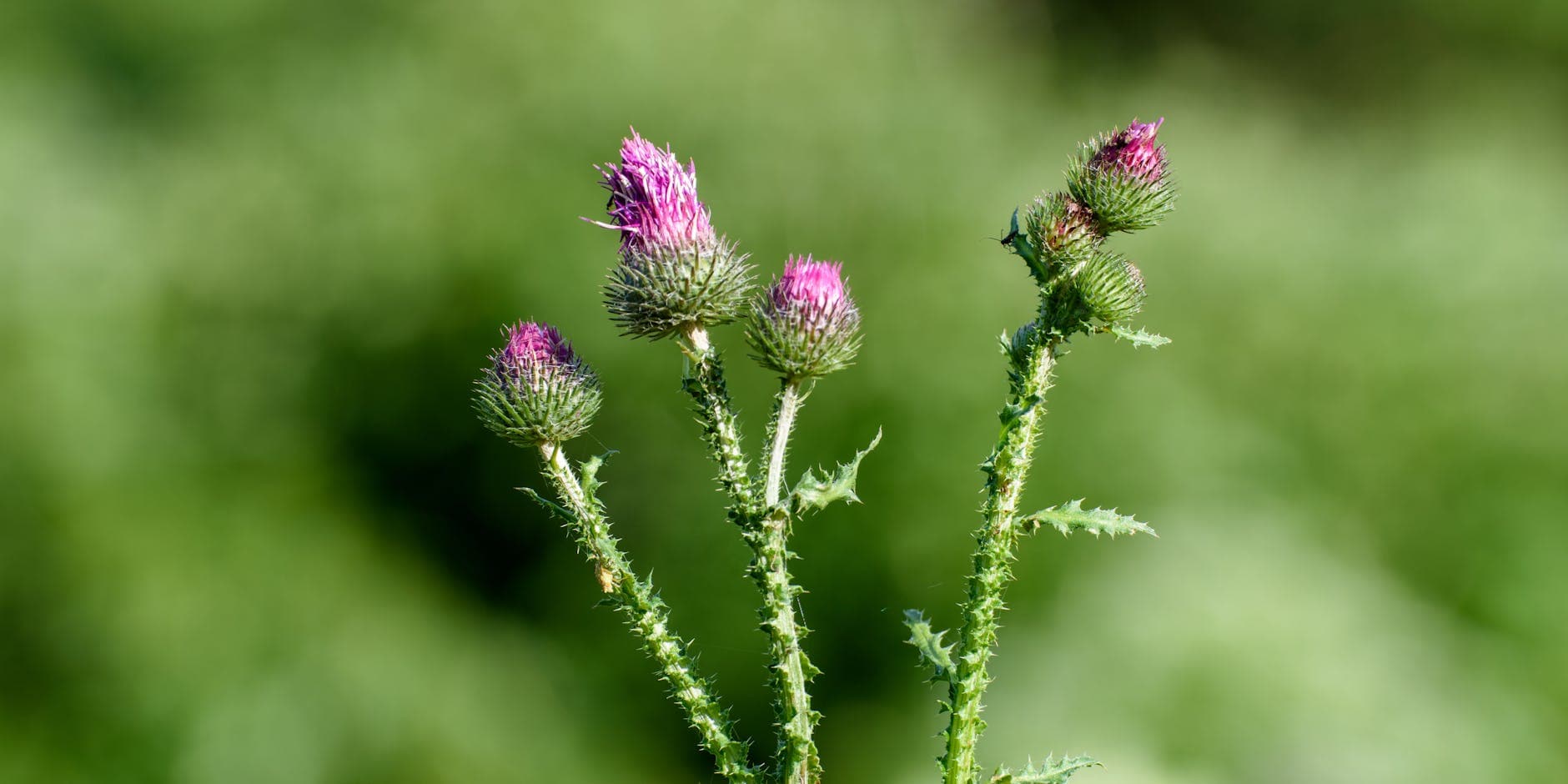
Cotton ThistleWestern
Hepatoprotective and antioxidant activity well established. High concentrations in Asteraceae thistle species support the bitter liver-tonic profile.
ElderflowerWestern
Reduces blood glucose post-prandially in clinical studies (from coffee research); anti-inflammatory; contributes to diaphoretic effect
Chlorogenic acid contributes antihypertensive and metabolic effects. Clinical evidence from leaf tea studies shows blood pressure and lipid-lowering benefits.
European HoneysuckleWestern
Well-documented antimicrobial and antioxidant properties. Major bioactive compound shared with Lonicera japonica.
Ground ElderWestern
Chlorogenic acid demonstrates anti-inflammatory, antioxidant, and preliminary hypoglycaemic activity. Supports traditional metabolic applications.
Reduced blood glucose in pre-diabetic subjects in clinical studies. Broad antiviral activity including influenza and herpes viruses. Anti-inflammatory via NF-kB and MAPK pathway suppression.
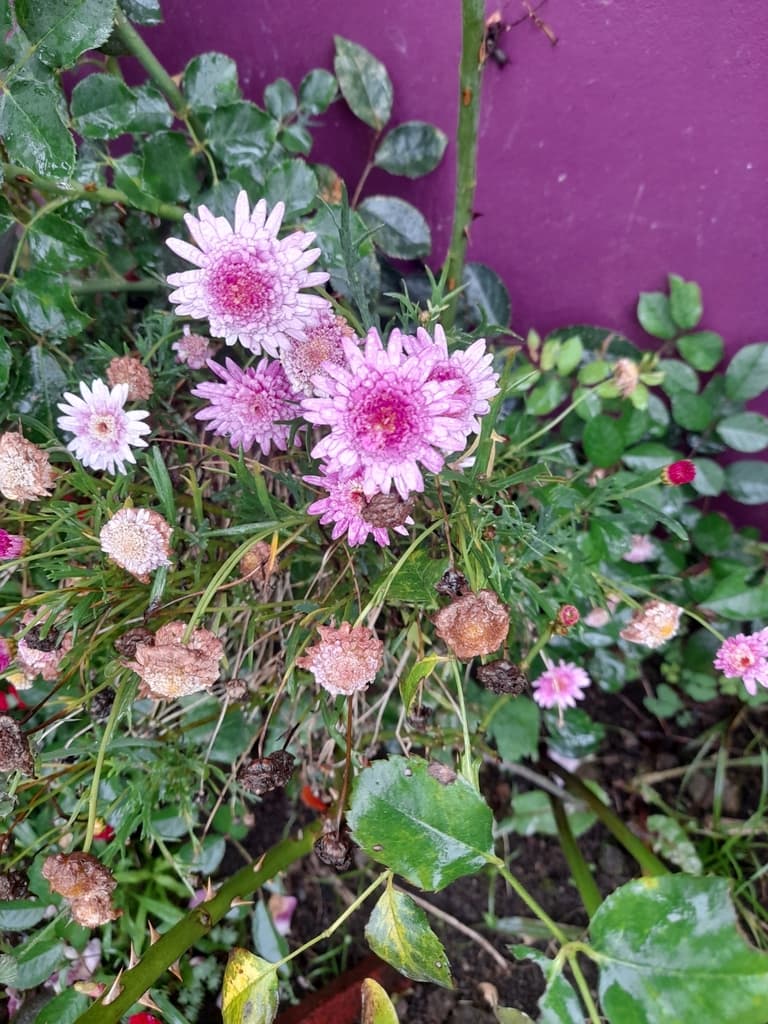
Ju Hua (菊花)TCM
Chlorogenic acid from Ju Hua has been specifically studied in retinal pigment epithelial (RPE) cells, demonstrating protection against hydrogen peroxide-induced oxidative damage — providing pharmacological support for the traditional ophthalmological application. Shared antidiabetic and cardiovascular activities with Sang Ye chlorogenic acid. The presence of this compound in both Sang Ye and Ju Hua contributes to the synergistic activity of the Sang Ju Yin formula.
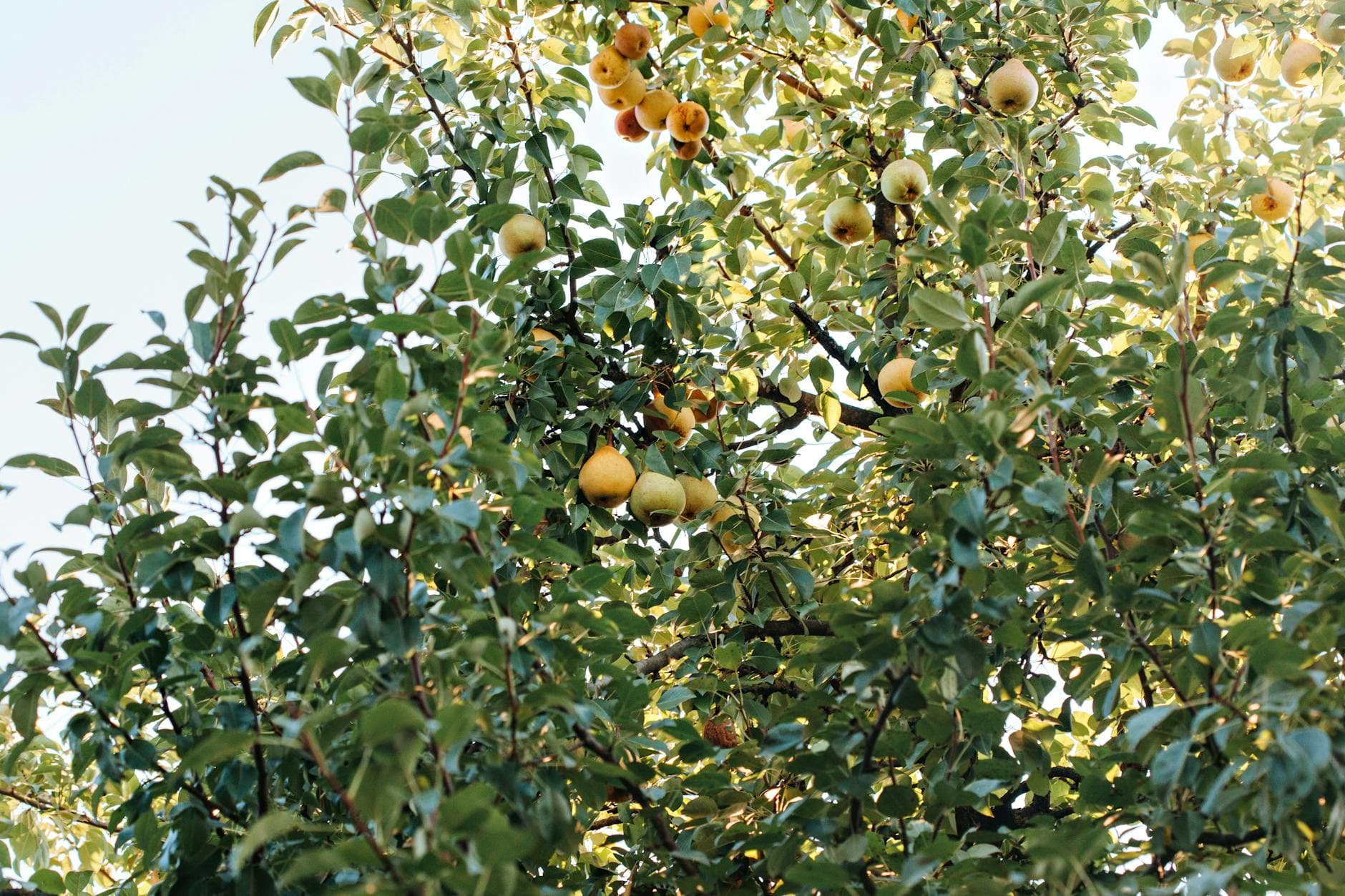
Pear TreeWestern
Extensively studied phenolic acid with strong antioxidant, anti-inflammatory, and hypoglycaemic activity.
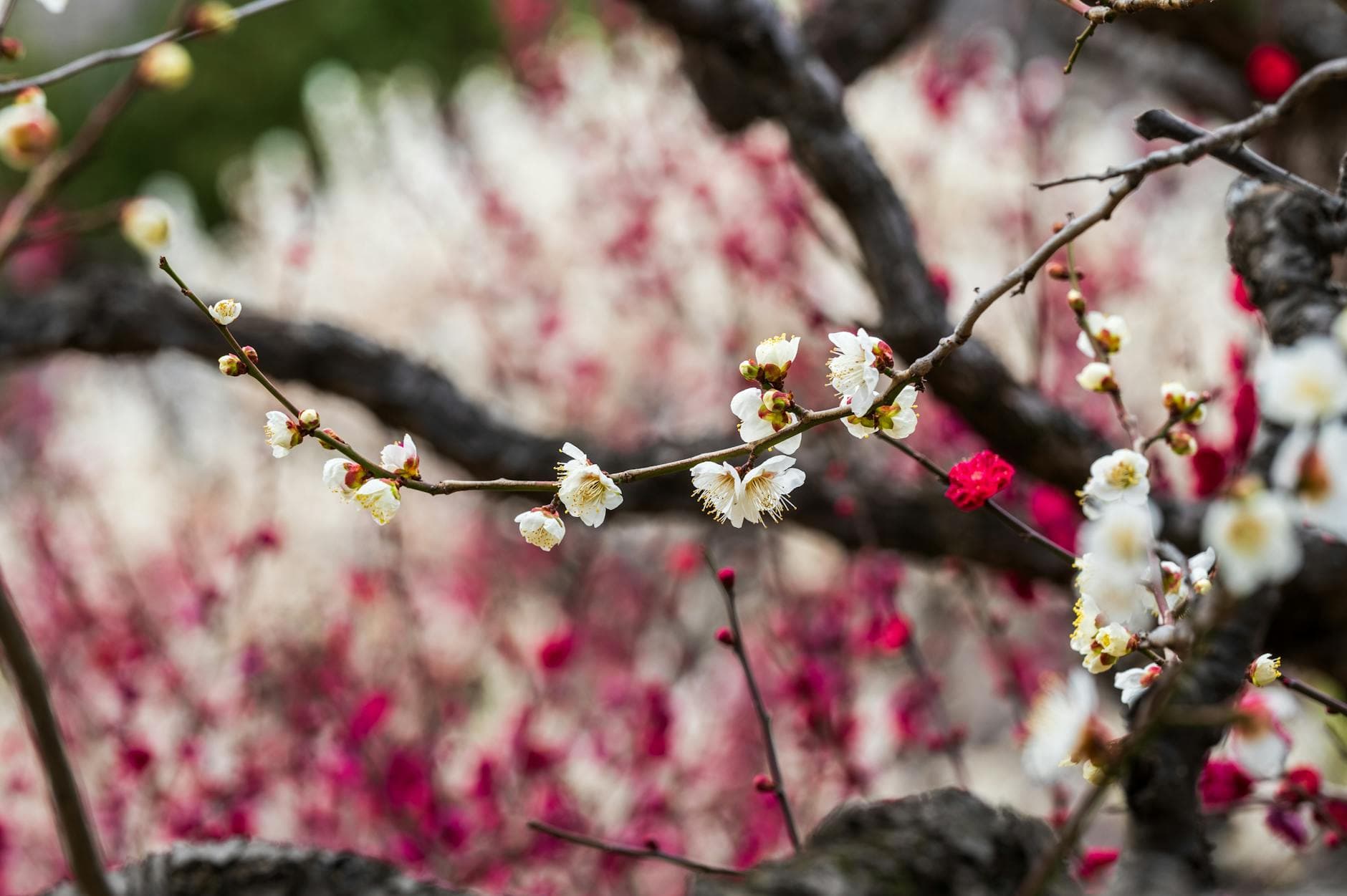
Plum TreeWestern
Extensively studied phenolic acid with strong antioxidant and anti-inflammatory activity.
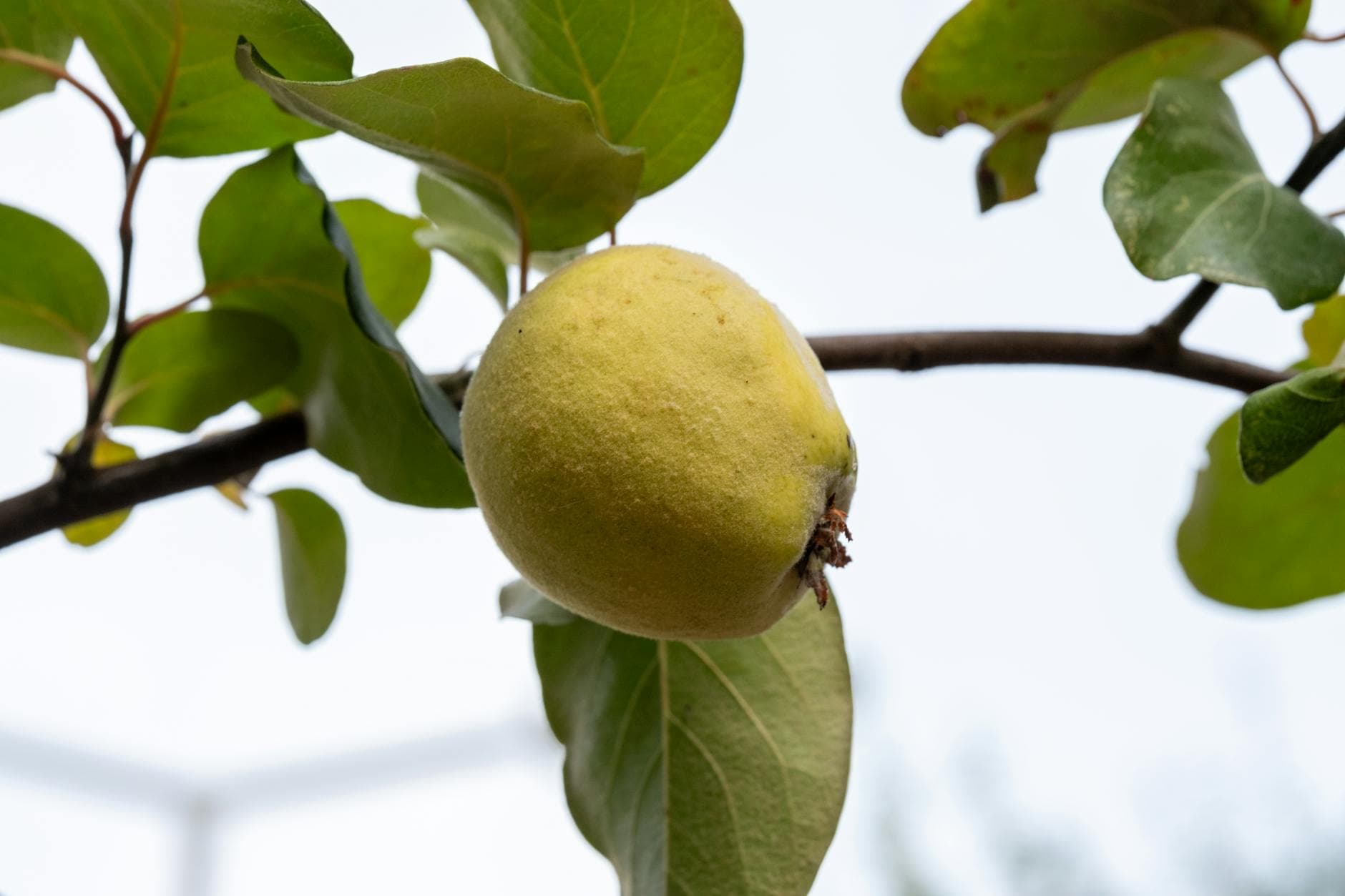
Quince TreeWestern
Supports liver uses noted in Culpeper; confirmed antioxidant in preclinical models.
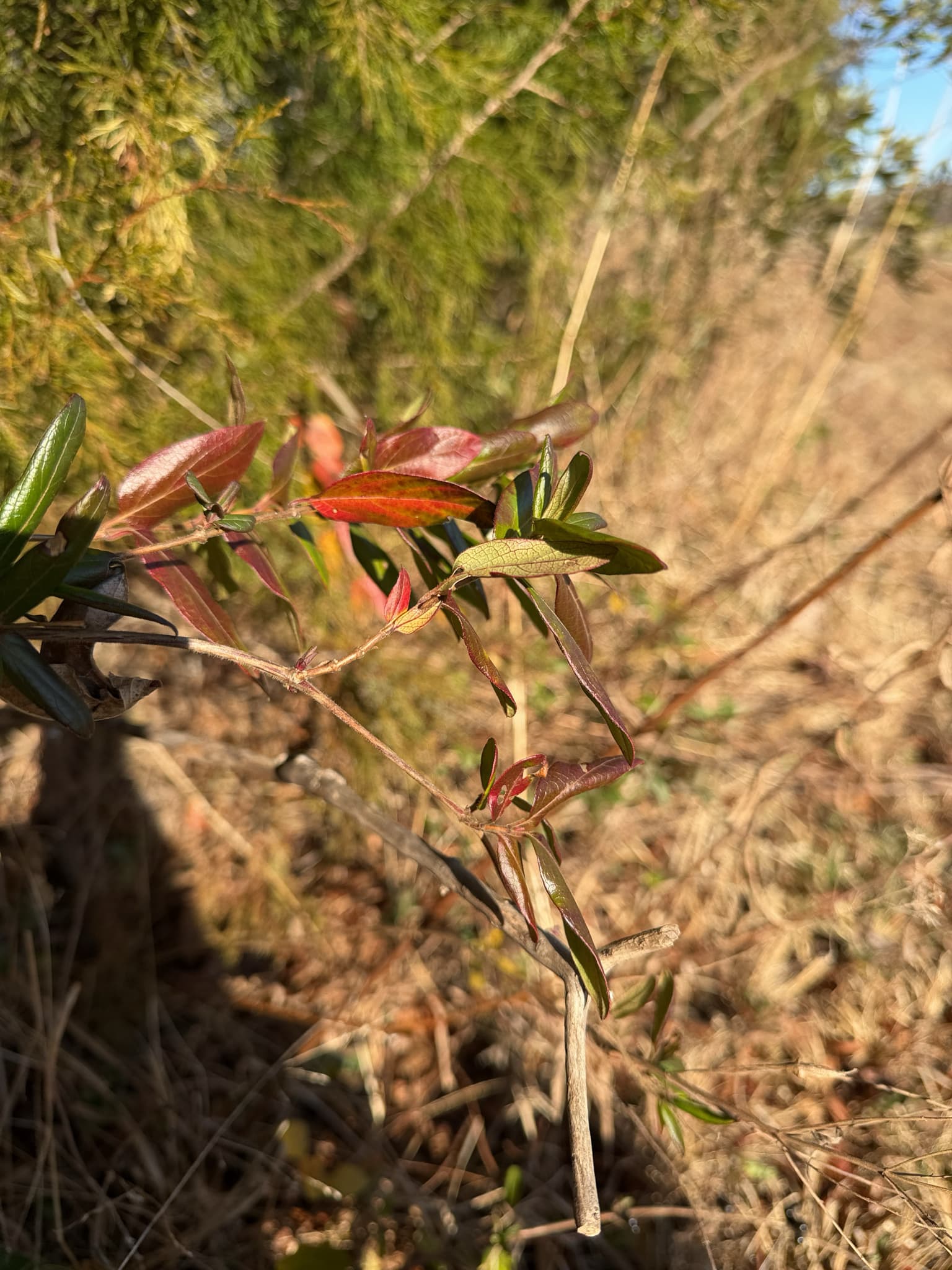
Sang Ye (桑叶)TCM
Chlorogenic acid is one of the best-studied dietary polyphenols with consistent antidiabetic evidence across cell, animal, and human supplementation studies. Reduces fasting glucose and postprandial hyperglycemia in type 2 diabetes models. Meta-analysis of human studies documents modest but significant reductions in fasting blood glucose and insulin resistance markers.
Sow ThistleWestern
Chlorogenic acid provides established antioxidant and hepatoprotective activity. Confirmed in related Sonchus arvensis.
Yerba MateSouth American
Mate's high chlorogenic acid contributes to metabolic benefits. Clinical trials demonstrate reduced fasting glucose, improved lipid profiles, and anti-obesity effects.
Found In 17 Herbs
Artichoke Leaf (Globe Artichoke)
WesternBilberry
WesternBlackthorn (Sloe)
WesternCornflower
WesternCotton Thistle
WesternElderflower
WesternEucommia (Du Zhong)
TCMEuropean Honeysuckle
WesternGround Elder
WesternHoneysuckle (Jin Yin Hua)
TCMJu Hua (菊花)
TCMPear Tree
WesternPlum Tree
WesternQuince Tree
WesternSang Ye (桑叶)
TCMSow Thistle
WesternYerba Mate
South American3D Molecular Structure
Phenolic acid
Drag to rotate · Click atoms to explore
Chlorogenic acid
Phenolic acidSimple aromatic compounds with antimicrobial properties
Representative pattern: C₇H₆O₃
Atoms
Carbon
Oxygen
Hydrogen
Related Compounds (Phenolic acid)
Live Research
This information is for educational purposes only and does not constitute medical advice. Always consult a qualified healthcare practitioner before using any herbal product.
These statements have not been evaluated by the Food and Drug Administration. This product is not intended to diagnose, treat, cure, or prevent any disease. This content is for educational purposes only and is not a substitute for professional medical advice.