Loading…
Back to Compound Explorer
Chlorinated Coumarins
PreliminaryMechanism of Action
Chlorinated coumarins unique to Laricifomes officinalis exert antimicrobial activity through transcriptional inhibition involving NF-κB transcription factor interference. Halogenation (chlorine and bromine substitution) dramatically increases antimicrobial potency compared to non-halogenated coumarin analogs. Two novel coumarins identified through the University of Illinois-Chicago Institute for Tuberculosis Research showed exceptional activity against Mycobacterium tuberculosis complex, including extensively drug-resistant (XDR-TB) strains, with the lowest minimum inhibitory concentrations (MICs) recorded among tested natural products.
Research Notes
AgarikonMushroom
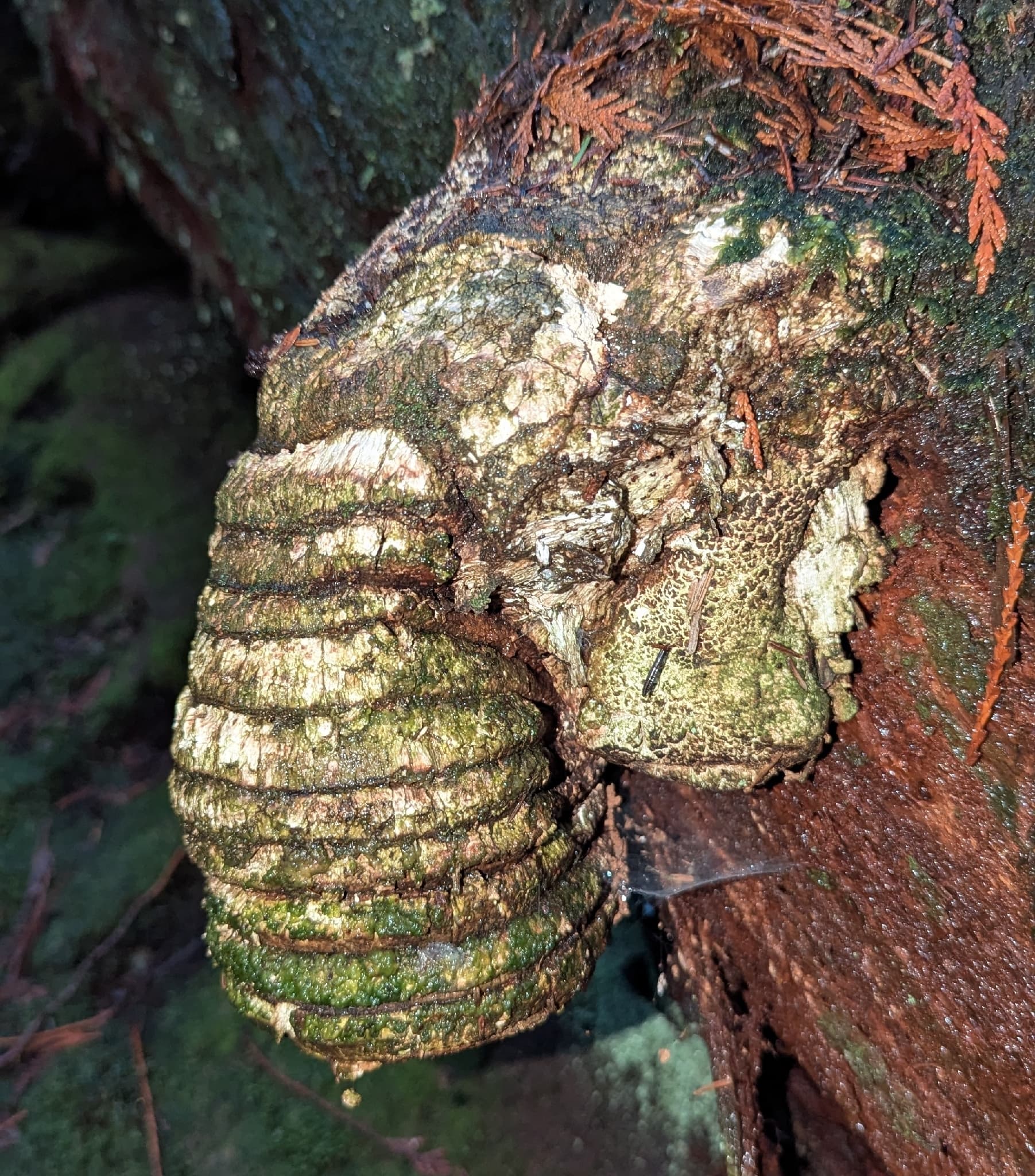
Bioassay-guided fractionation at the Institute for Tuberculosis Research (UIC) identified two novel chlorinated coumarins from Agarikon mycelium with potent anti-tubercular activity. These compounds demonstrated MIC values against M. tuberculosis complex that ranked among the most active natural products tested, with extraordinary activity against XDR-TB strains resistant to conventional first- and second-line drugs. The compounds are unique to this species and have not been identified in any other fungal genus. Studies are in vitro; clinical trials pending.
Found In 1 Herb
3D Molecular Structure
Halogenated aromatic compound (chlorinated/brominated coumarins)
Drag to rotate · Click atoms to explore
Chlorinated Coumarins
Halogenated aromatic compound (chlorinated/brominated coumarins)Bioactive phytochemical with therapeutic properties
Representative pattern: C₇H₆O₃
Atoms
Carbon
Oxygen
Hydrogen
Live Research
This information is for educational purposes only and does not constitute medical advice. Always consult a qualified healthcare practitioner before using any herbal product.
These statements have not been evaluated by the Food and Drug Administration. This product is not intended to diagnose, treat, cure, or prevent any disease. This content is for educational purposes only and is not a substitute for professional medical advice.