Loading…
Back to Compound Explorer
β-Caryophyllene
In vitro / AnimalMechanism of Action
Anti-inflammatory sesquiterpene acting as a selective CB2 receptor partial agonist; systemic anti-inflammatory and analgesic activity
Selective full agonist at CB2 cannabinoid receptors (EC50 ~155 nM) without psychoactive CB1 activation; CB2 activation reduces macrophage infiltration, suppresses TNF-α and IL-1β production, and activates PPAR-γ transcription factor contributing to anti-inflammatory and insulin-sensitizing effects; activates endocannabinoid system without tolerance or dependence.
Research Notes
Clary SageWestern
CB2 receptor partial agonism established. Anti-inflammatory activity documented in multiple animal models. Analgesic effects demonstrated without psychoactive CB1 activation.
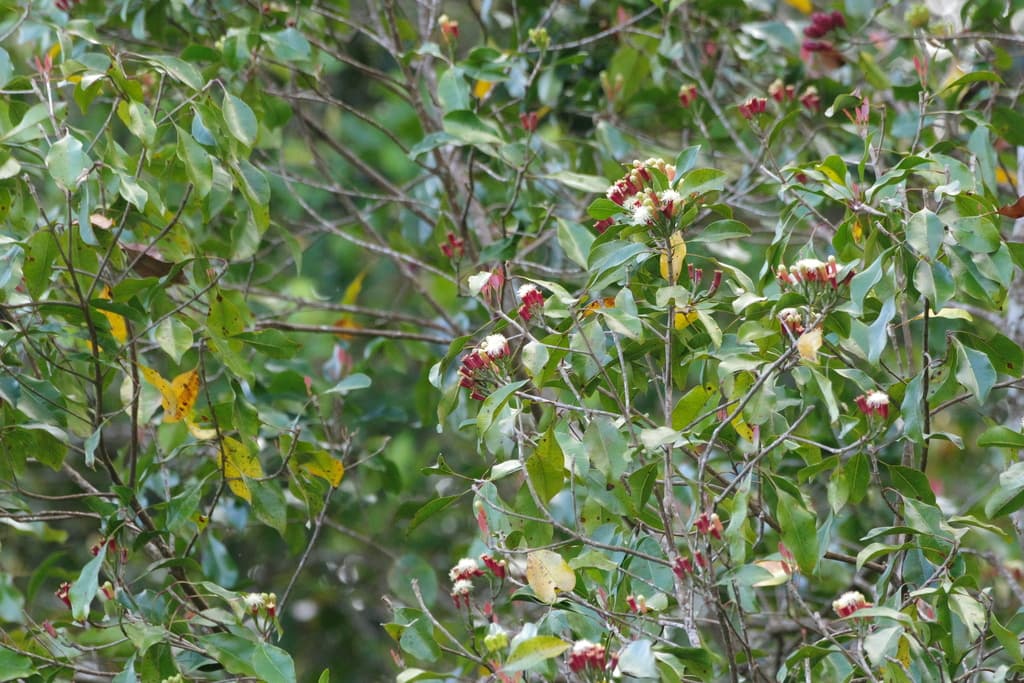
CloveWestern
β-Caryophyllene has been identified as the first dietary cannabinoid. Multiple in vitro studies confirm potent CB2-mediated anti-inflammatory activity. Animal studies demonstrate efficacy in neuropathic and inflammatory pain models. A 2014 preclinical study showed significant attenuation of LPS-induced neuroinflammation. Human clinical data on β-caryophyllene specifically is still preliminary but consistent with in vivo pharmacology.
Found In 2 Herbs

3D Molecular Structure
Sesquiterpene
Drag to rotate · Click atoms to explore
β-Caryophyllene
SesquiterpeneAromatic plant metabolites with anti-inflammatory properties
Representative pattern: C₁₀H₁₆O
Atoms
Carbon
Oxygen
Hydrogen
Related Compounds (Sesquiterpene)
Live Research
This information is for educational purposes only and does not constitute medical advice. Always consult a qualified healthcare practitioner before using any herbal product.
These statements have not been evaluated by the Food and Drug Administration. This product is not intended to diagnose, treat, cure, or prevent any disease. This content is for educational purposes only and is not a substitute for professional medical advice.