Loading…
Back to Compound Explorer
Cardenolide Glycosides (Asclepin)
PreliminaryMechanism of Action
Cardenolides bind to and inhibit the alpha subunit of the plasma membrane Na+/K+-ATPase enzyme, reducing sodium extrusion from cells and elevating intracellular calcium via Na+/Ca2+ exchange — the classic mechanism of positive cardiac inotropy shared with digitalis. At sub-cardiotonic doses present in A. tuberosa root extracts, cardenolides modulate signaling pathways associated with inflammation: Na+/K+-ATPase acts as a signal transducer activating Src kinase, which in turn phosphorylates EGFR and downstream MAPK/ERK and PI3K/Akt pathways involved in inflammatory gene expression. Additionally, some Asclepias cardenolides inhibit NF-κB nuclear translocation and suppress IL-1β-stimulated arachidonic acid release, providing a mechanistic basis for the traditional anti-pleuritic application.
Research Notes
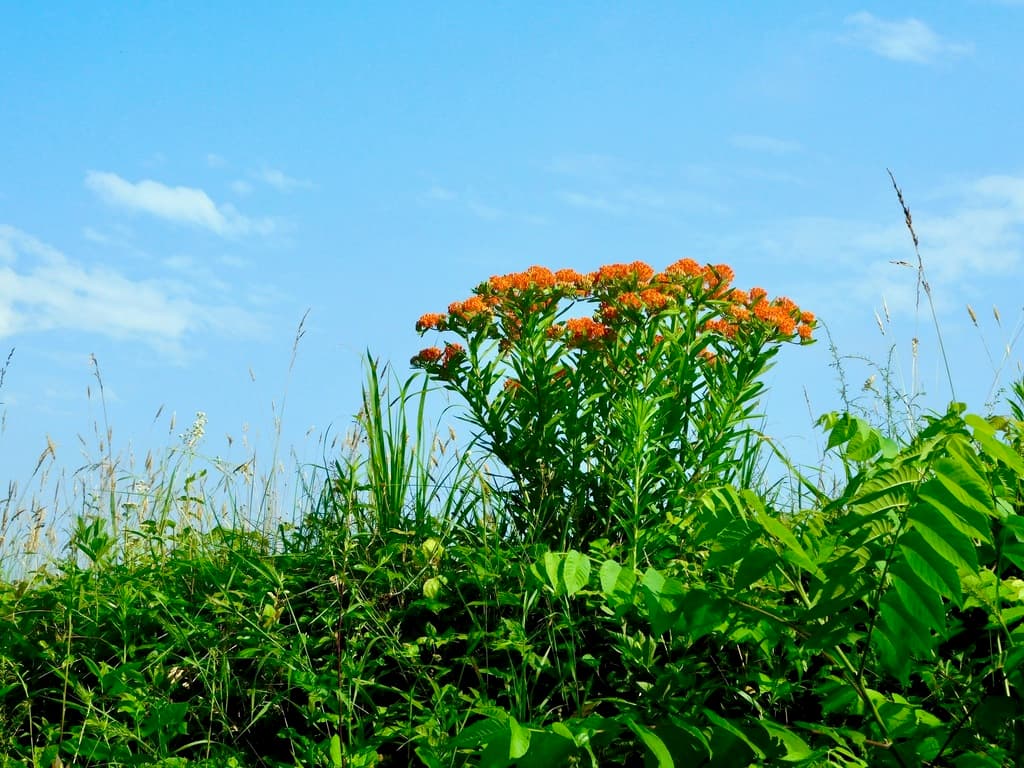
Pleurisy RootWestern
Limited phytochemical characterization of A. tuberosa root cardenolides has been conducted; most published pharmacology derives from studies on related Asclepias species (A. syriaca, A. curassavica). Cytotoxic cardenolides from A. curassavica have shown IC50 values of 0.1–5 µg/mL against multiple cancer cell lines in vitro, with Na+/K+-ATPase inhibition as the primary mechanism. Anti-inflammatory activity of low-dose cardenolide fractions has been demonstrated in murine peritonitis models. No clinical trials with isolated A. tuberosa cardenolides exist; the clinical safety margin relative to cardiac toxicity at standard herbal doses has not been rigorously established in human pharmacokinetic studies.
Found In 1 Herb
3D Molecular Structure
Cardiac glycoside / Cardenolide steroid
Drag to rotate · Click atoms to explore
Cardenolide Glycosides (Asclepin)
Cardiac glycoside / Cardenolide steroidSugar-bound molecules that control drug release in the body
Representative pattern: C₂₁H₃₀O₂
Atoms
Carbon
Oxygen
Live Research
This information is for educational purposes only and does not constitute medical advice. Always consult a qualified healthcare practitioner before using any herbal product.
These statements have not been evaluated by the Food and Drug Administration. This product is not intended to diagnose, treat, cure, or prevent any disease. This content is for educational purposes only and is not a substitute for professional medical advice.