Loading…
Back to Compound Explorer
Canophylline
AnimalMechanism of Action
Immunomodulatory activity via modulation of T-lymphocyte proliferation and cytokine production; anti-inflammatory through prostaglandin synthesis inhibition; mild analgesic properties attributed to peripheral opioid receptor partial agonism in animal pain models.
Research Notes
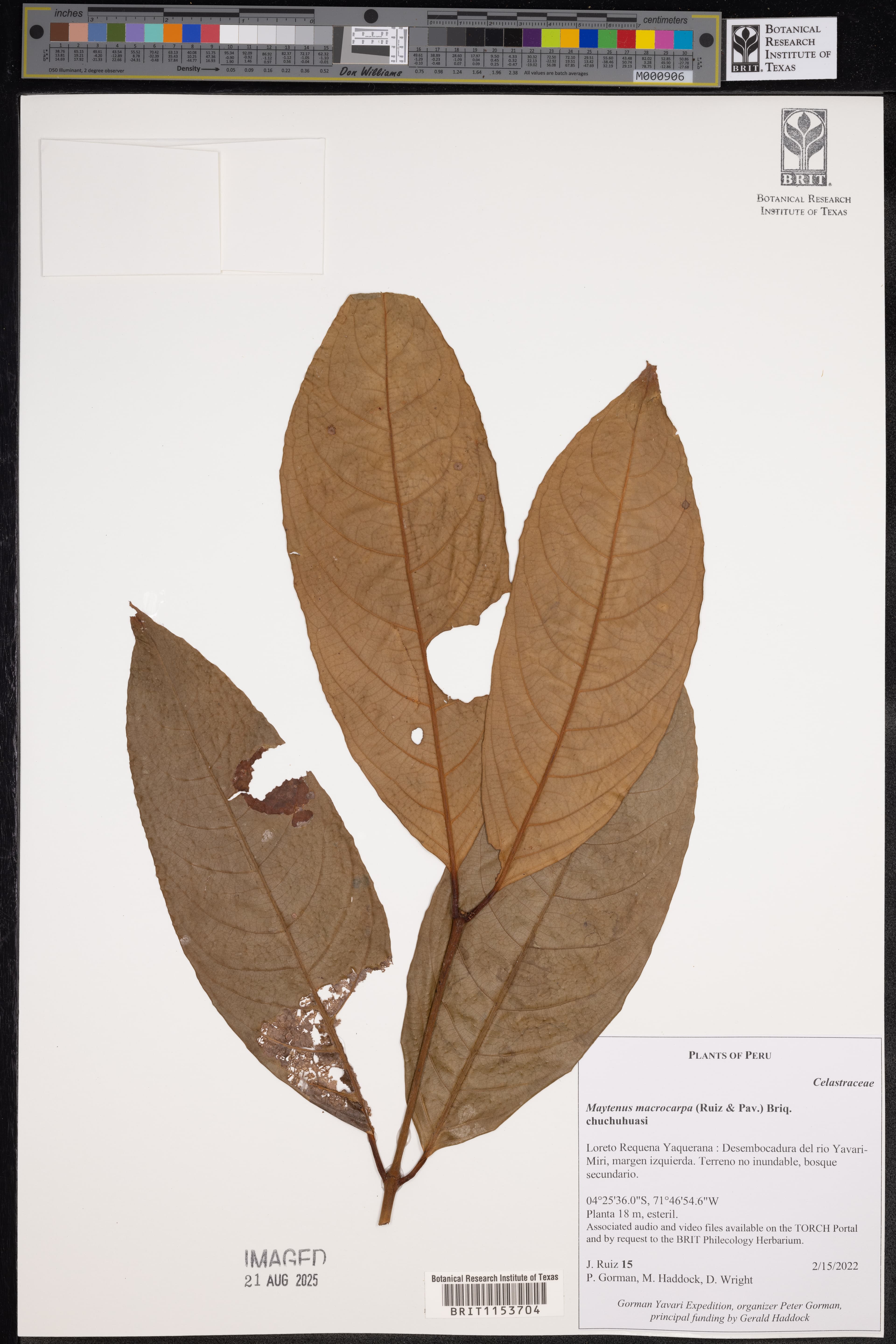
ChuchuhuasiSouth American
Canophylline and the related alkaloid canophyllidine are characteristic of Maytenus macrocarpa bark and contribute to its immunomodulatory and analgesic profile. In vitro lymphocyte proliferation assays show inhibition at micromolar concentrations. Peripheral analgesic activity demonstrated in hot-plate and writhing tests in mice. No human pharmacokinetic or clinical efficacy data available for isolated canophylline.
Found In 1 Herb
3D Molecular Structure
Sesquiterpene pyridine alkaloid (evonimine-type)
Drag to rotate · Click atoms to explore
Canophylline
Sesquiterpene pyridine alkaloid (evonimine-type)Nitrogen-containing compounds with potent pharmacological effects
Representative pattern: C₉H₇N₂O
Atoms
Nitrogen
Carbon
Hydrogen
Oxygen
Live Research
This information is for educational purposes only and does not constitute medical advice. Always consult a qualified healthcare practitioner before using any herbal product.
These statements have not been evaluated by the Food and Drug Administration. This product is not intended to diagnose, treat, cure, or prevent any disease. This content is for educational purposes only and is not a substitute for professional medical advice.