Loading…
Back to Compound Explorer
Camphor
AnimalMechanism of Action
Topical analgesic via TRPV3 and TRPA1 receptor activation; CNS stimulant at low doses; antimicrobial against gram-positive bacteria. Neurotoxic at high doses — GABA-A antagonism leads to seizures.
Major terpenoid constituent; analgesic, antispasmodic, and antimicrobial properties; neurotoxic at high doses
Camphor activates TRPV1 and TRPA1 thermosensory channels, producing warming and counter-irritant sensations that reduce pain perception. It also activates TRPM8 channels at lower concentrations and acts as a mild local anesthetic by blocking voltage-gated sodium channels. Topically, it increases local blood flow and enhances percutaneous absorption of co-applied compounds.
Camphor activates TRPV1 and TRPV3 thermoreceptors, producing a warming sensation and mild local anesthesia. It blocks voltage-gated sodium channels in sensory neurons, reducing pain signaling. At therapeutic doses, it stimulates respiratory drive and acts as a nasal decongestant through TRPM8 receptor stimulation in nasal epithelium.
Research Notes
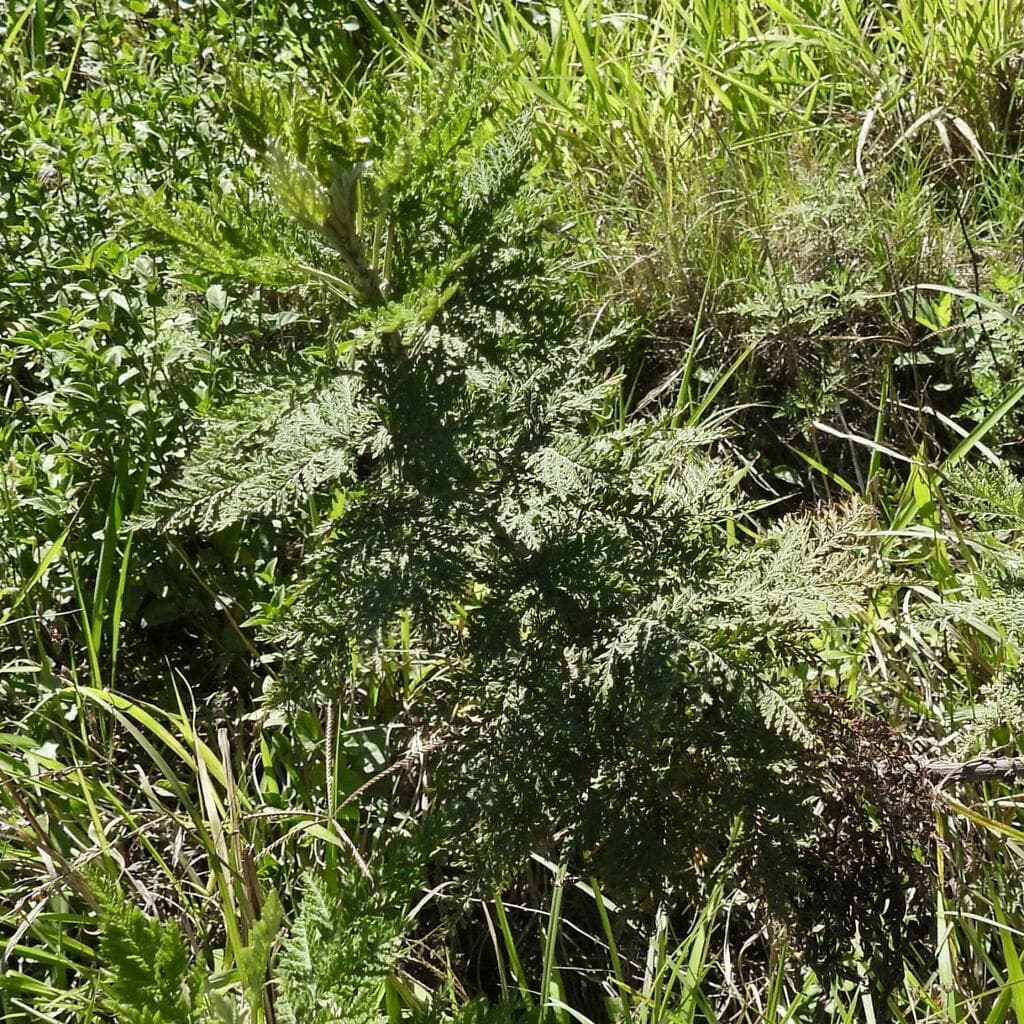
African WormwoodAfrican
Well-characterised compound with established pharmacology. Topical use is safe and effective for pain relief. Internal use requires strict dose control due to narrow therapeutic index. Hepatic metabolism via CYP2B6 generates reactive metabolites.
SantolinaWestern
Camphor is a well-characterised monoterpene with established analgesic, antispasmodic, and antimicrobial activity. Neurotoxic at doses modestly above therapeutic range.
TansyWestern
The TRPV1 and TRPA1 agonist activity of camphor is well established in electrophysiology studies (Xu et al., 2005, Journal of Neuroscience). Topical camphor-containing preparations have demonstrated analgesic efficacy in several small clinical trials for musculoskeletal pain. Camphor content in tansy is highly chemotype-dependent, ranging from trace amounts to over 40% of the essential oil.
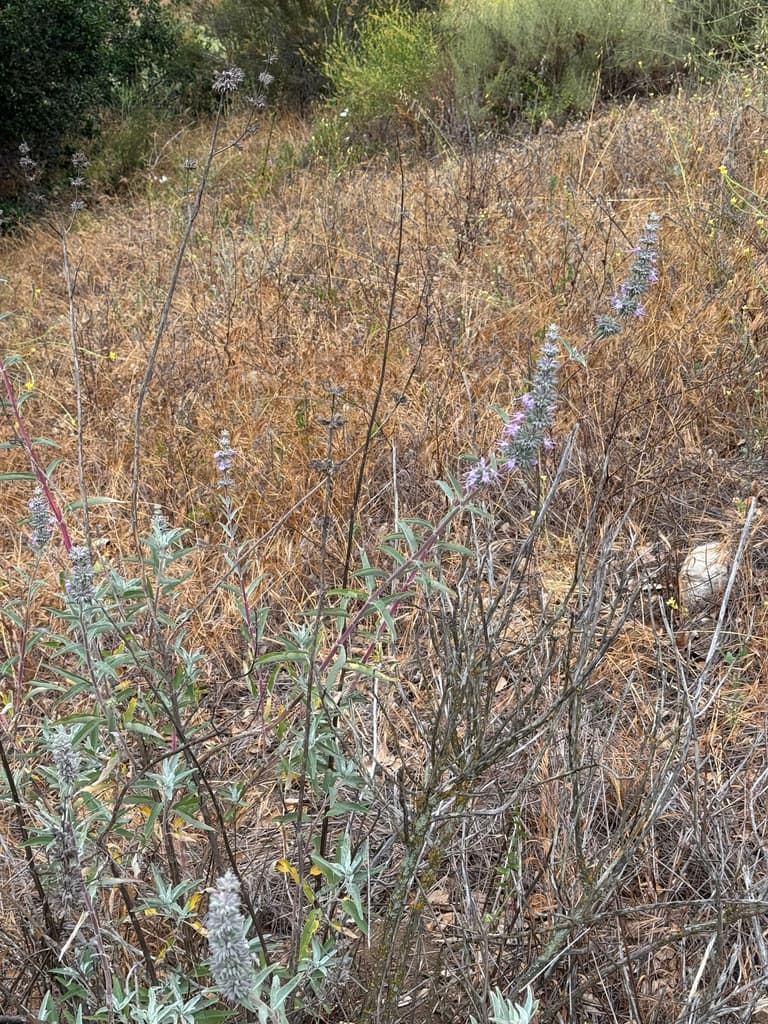
White SageWestern
Camphor is well-established in topical analgesic formulations with FDA monograph status for OTC external analgesic use at 3–11% concentration. Anti-inflammatory activity via NF-κB and COX-2 inhibition has been confirmed in vitro. White sage essential oil typically contains 10–25% camphor, contributing significantly to its aromatic and therapeutic profile.
Found In 4 Herbs


3D Molecular Structure
Bicyclic monoterpene ketone
Drag to rotate · Click atoms to explore
Camphor
Bicyclic monoterpene ketoneAromatic plant metabolites with anti-inflammatory properties
Representative pattern: C₁₀H₁₆O
Atoms
Carbon
Oxygen
Hydrogen
Live Research
This information is for educational purposes only and does not constitute medical advice. Always consult a qualified healthcare practitioner before using any herbal product.
These statements have not been evaluated by the Food and Drug Administration. This product is not intended to diagnose, treat, cure, or prevent any disease. This content is for educational purposes only and is not a substitute for professional medical advice.