Loading…
Back to Compound Explorer
Betulinic acid
Clinical trialMechanism of Action
Anti-inflammatory and emerging antiviral properties; also found in birch bark
Anti-inflammatory via NF-kB inhibition; anti-tumor; neuroprotective through anti-apoptotic mechanisms
Enhanced NF-κB inhibition compared to betulin; pro-apoptotic in inflammatory cells; antitumor activity in preclinical models
Betulinic acid induces apoptosis selectively in cancer cells through the intrinsic (mitochondrial) pathway. It directly permeabilizes the outer mitochondrial membrane by interacting with voltage-dependent anion channels (VDAC), triggering cytochrome c release, apoptosome assembly, and executioner caspase-3/7 activation. This mechanism is largely independent of p53 status, making it effective against tumors with p53 mutations. Betulinic acid also inhibits topoisomerase I, blocks NF-kB activation, and downregulates Sp1 transcription factor target genes involved in angiogenesis (VEGF) and metastasis (MMP-2, MMP-9). Anti-HIV activity occurs through inhibition of viral maturation — betulinic acid derivatives (notably bevirimat/PA-457) block Gag polyprotein processing.
Betulinic acid is NOT synthesized by the Chaga fungus itself — it is derived from the bioconversion of betulin (a primary triterpene in birch bark) by fungal enzymatic activity. The fungus metabolizes birch betulin into the more bioavailable and pharmacologically active betulinic acid. Its anticancer mechanism involves selective induction of apoptosis in cancer cells via the mitochondrial pathway: it permeabilizes the outer mitochondrial membrane, triggers cytochrome c release, activates caspase-9 and caspase-3, and induces programmed cell death — critically, WITHOUT inducing apoptosis in normal cells at equivalent concentrations. It also inhibits topoisomerase I and modulates NF-κB inflammatory signaling.
Anti-inflammatory; anti-tumor via apoptosis induction; immunomodulatory
Anti-tumour (induces apoptosis via mitochondrial pathway); anti-inflammatory; anti-HIV; antiplatelet
Research Notes
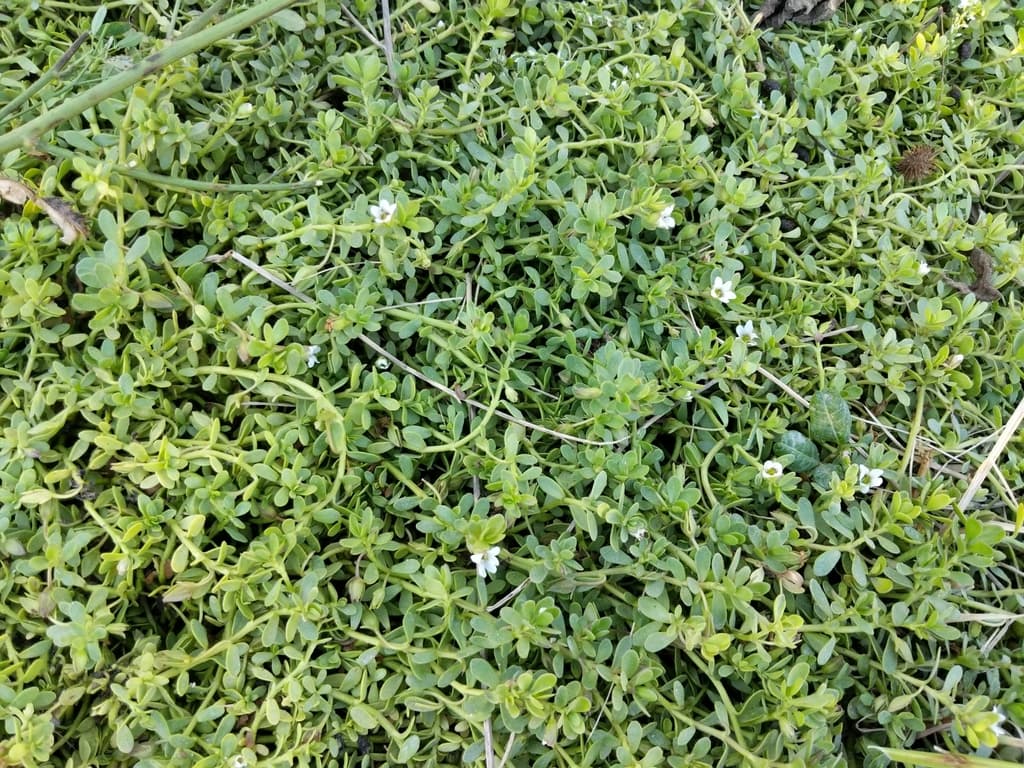
AlderWestern
Extensively studied triterpene with anti-inflammatory, antiviral, and cytotoxic properties in preclinical research.
BacopaAyurvedic
Betulinic acid contributes anti-inflammatory and neuroprotective effects. In vitro studies demonstrate selective cytotoxicity and neuroprotection.
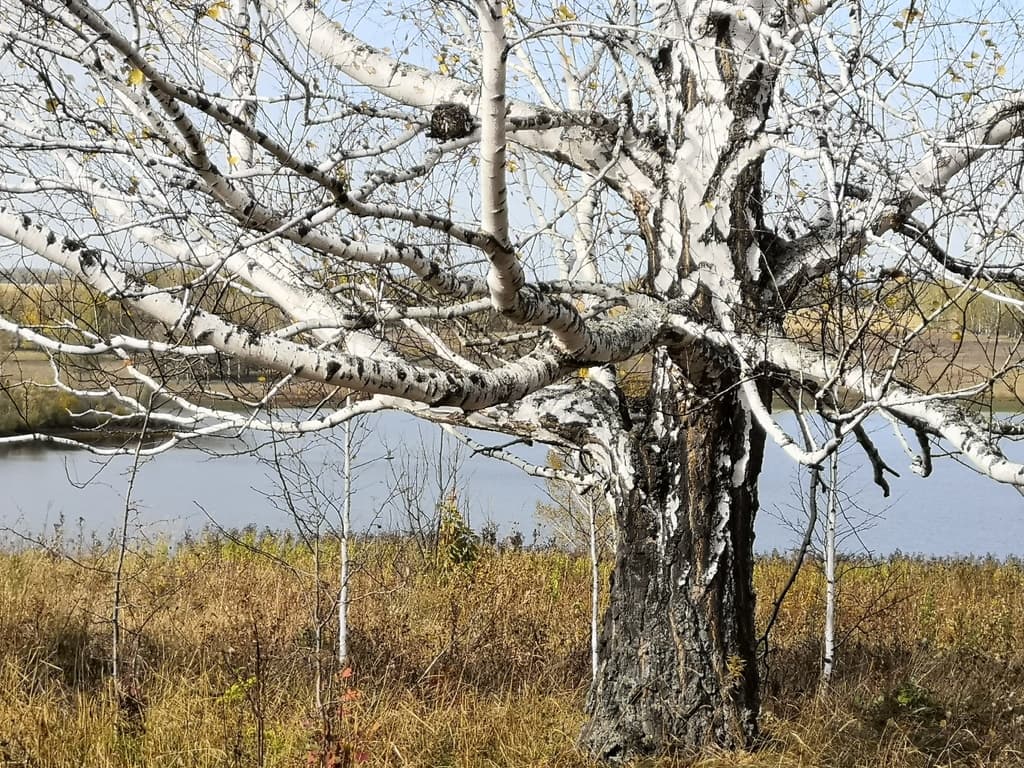
Birch BarkWestern
Betulinic acid is a naturally occurring oxidized derivative of betulin with enhanced anti-inflammatory and apoptotic properties. Preclinical evidence supports efficacy against inflammatory conditions and tumor cell lines, though human clinical data remains limited.
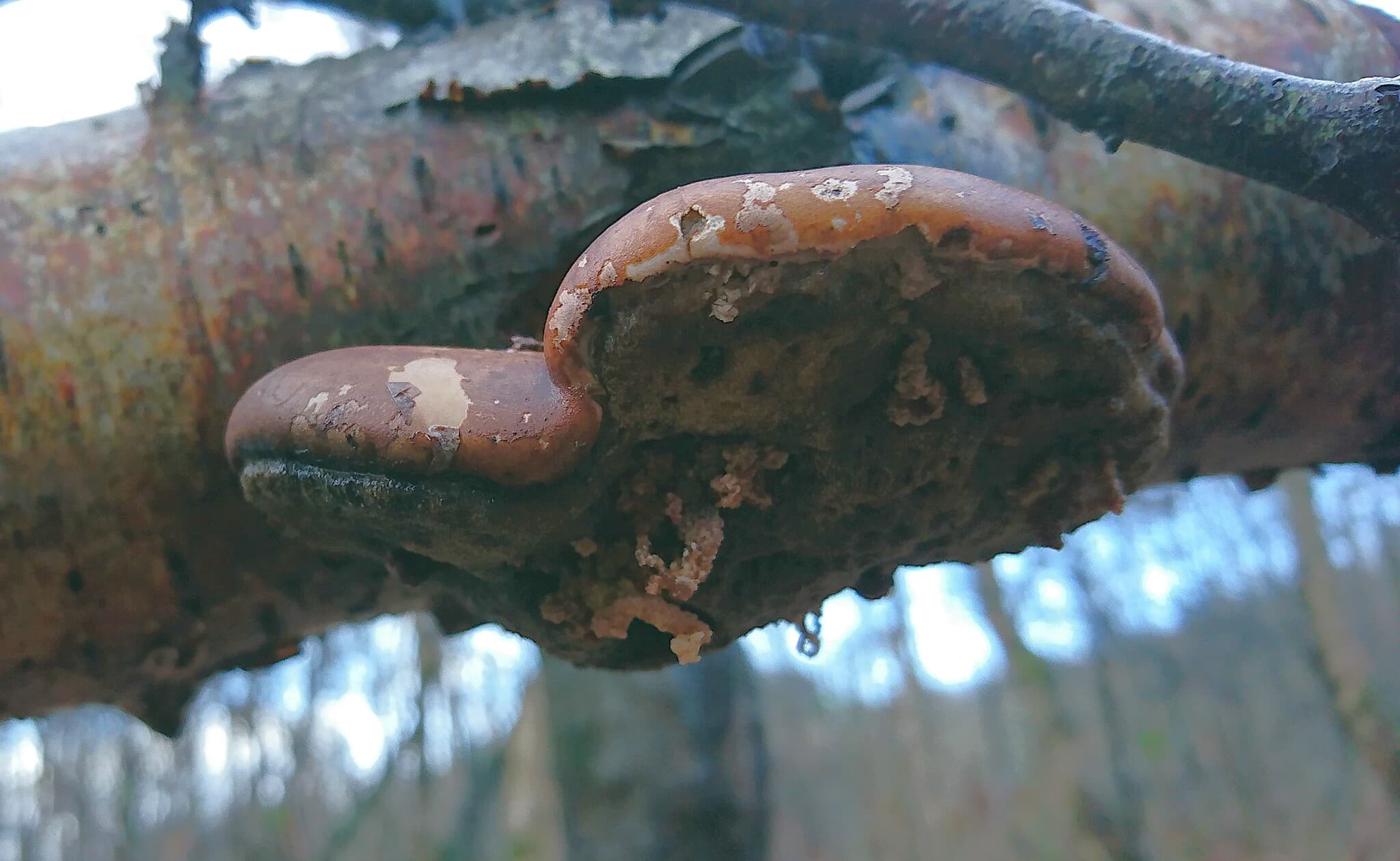
Birch PolyporeMushroom
Betulinic acid demonstrated selective cytotoxicity against melanoma, neuroblastoma, glioblastoma, and several other cancer cell lines in the NCI 60-cell panel screening, with minimal toxicity to normal cells. A 2001 study confirmed antiviral action against HIV by blocking viral reproduction. The derivative bevirimat (PA-457) advanced through Phase II clinical trials as a first-in-class HIV maturation inhibitor before development was discontinued for pharmacokinetic reasons. Animal toxicology showed no adverse effects up to 500 mg/kg body weight in mice.
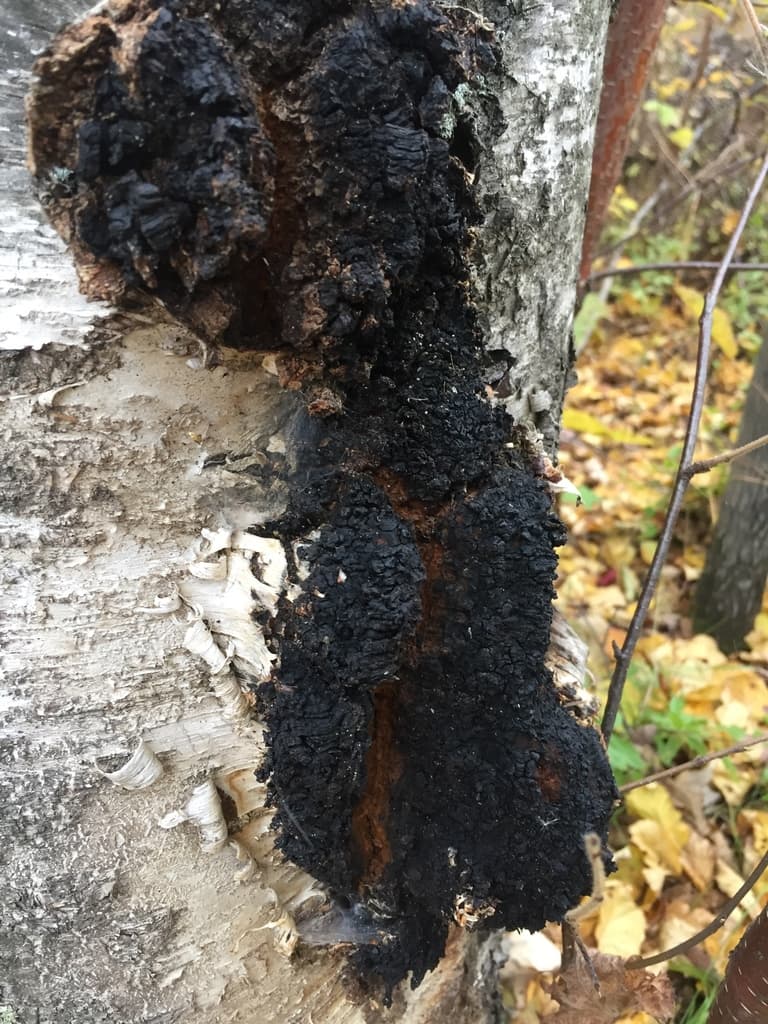
ChagaMushroom
Betulinic acid demonstrated selective cytotoxicity against melanoma, neuroblastoma, and glioblastoma cell lines in vitro (Fulda et al., 1997, Journal of Biological Chemistry; Pisha et al., 1995, Nature Medicine). An NCI study confirmed activity against multiple cancer cell lines. Phase I/II clinical trials for betulinic acid (as an isolated compound, not Chaga extract) have been conducted for melanoma and other solid tumors. CRITICAL: betulinic acid is present ONLY in wild birch-grown Chaga sclerotia — cultivated Chaga grown on grain or artificial substrate does NOT contain betulinic acid because there is no birch host to provide the betulin precursor.
Betulinic acid contributes anti-inflammatory and potential anti-tumor effects with selective cytotoxicity against cancer cell lines.
Red RootWestern
Anti-tumour activity against multiple cancer cell lines; anti-HIV activity (inhibits maturation); found in many plant species (birch bark is primary commercial source)
Found In 7 Herbs

3D Molecular Structure
Triterpene
Drag to rotate · Click atoms to explore
Betulinic acid
TriterpeneAromatic plant metabolites with anti-inflammatory properties
Representative pattern: C₁₀H₁₆O
Atoms
Carbon
Oxygen
Hydrogen
Related Compounds (Triterpene)
Live Research
This information is for educational purposes only and does not constitute medical advice. Always consult a qualified healthcare practitioner before using any herbal product.
These statements have not been evaluated by the Food and Drug Administration. This product is not intended to diagnose, treat, cure, or prevent any disease. This content is for educational purposes only and is not a substitute for professional medical advice.