Loading…
Back to Compound Explorer
Beta-1,3/1,6-D-Glucan (Oral Form)
In vitro / AnimalMechanism of Action
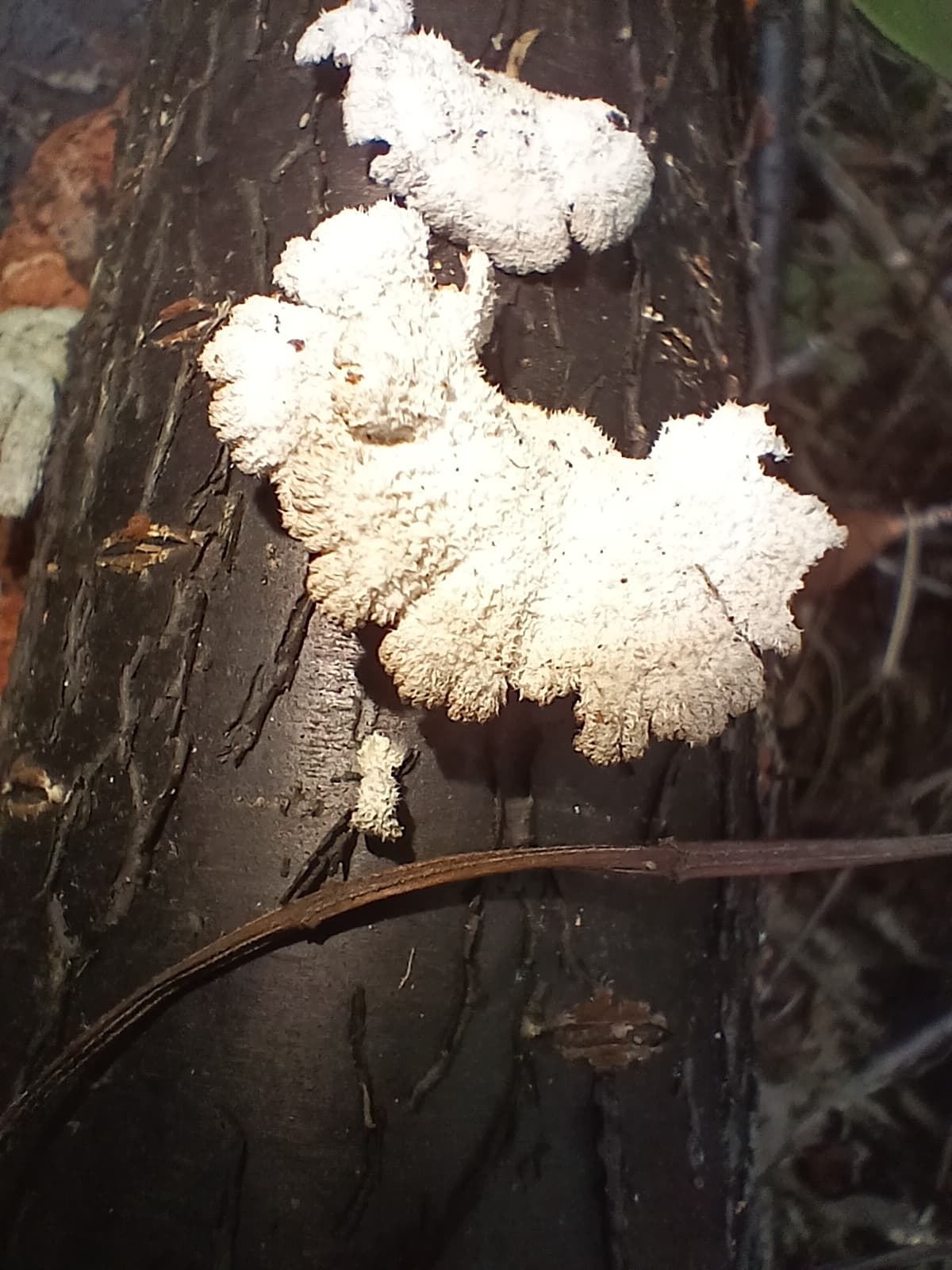
The orally administered beta-glucans from S. commune fruiting bodies interact with gut-associated lymphoid tissue (GALT) through M-cells in Peyer's patches and intestinal epithelial dectin-1 receptors. Unlike the injectable triple-helix SPG, oral beta-glucans undergo partial digestion and fragmentation in the GI tract, producing smaller oligosaccharides that are absorbed through M-cells and delivered to mesenteric lymph nodes where they activate dendritic cells and macrophages. These activated immune cells then circulate systemically, producing a whole-body immunomodulatory effect. The oral beta-glucans also exhibit prebiotic properties, promoting growth of beneficial Lactobacillus and Bifidobacterium species in the gut microbiome.
Research Notes
Suehirotake / Splitgill MushroomMushroom
Oral beta-glucan supplementation from S. commune has been studied in both animal models and limited human trials. In animal tumor models, oral administration showed dose-dependent inhibition of tumor growth, though generally less potent than injectable SPG. Studies on mammary and hepatic carcinoma models showed significant tumor growth inhibition. The prebiotic effect has been demonstrated in gut microbiome analyses. Minimum effective oral beta-glucan dose has been estimated at 10 mg or less of properly processed material for measurable immune cell activation.
Found In 1 Herb
3D Molecular Structure
Branched polysaccharide (beta-glucan)
Drag to rotate · Click atoms to explore
Beta-1,3/1,6-D-Glucan (Oral Form)
Branched polysaccharide (beta-glucan)Complex carbohydrate polymers that modulate immune response
Representative pattern: (C₆H₁₀O₅)ₙ
Atoms
Carbon
Oxygen
Live Research
This information is for educational purposes only and does not constitute medical advice. Always consult a qualified healthcare practitioner before using any herbal product.
These statements have not been evaluated by the Food and Drug Administration. This product is not intended to diagnose, treat, cure, or prevent any disease. This content is for educational purposes only and is not a substitute for professional medical advice.