Loading…
Back to Compound Explorer
Berberine
Clinical trialMechanism of Action
Antimicrobial; AMPK activation (glucose regulation); CYP2D6/3A4 inhibition; lipid-lowering
AMPK activation; mitochondrial effects; antimicrobial activity; anti-inflammatory; glucose transporter modulation
Activates AMPK; inhibits bacterial FtsZ protein disrupting cell division; anti-inflammatory through NF-kB and MAPK pathway inhibition; antimicrobial against broad spectrum of bacteria and fungi
AMPK activation, NF-kB inhibition, CYP3A4/P-gp inhibition, antimicrobial (DNA intercalation), GLP-1 upregulation
AMPK activator; CYP3A4/CYP2D6 inhibitor; P-gp inhibitor; antimicrobial; hypoglycaemic via multiple pathways
Antimicrobial (disrupts bacterial cell membranes, inhibits DNA/protein synthesis); CYP2D6 and CYP3A4 inhibition; AMPK activation for glucose regulation
Broad-spectrum antibacterial, anti-inflammatory, and antifungal alkaloid; inhibits CYP3A4 and activates AMPK pathway
Antimicrobial through bacterial cell wall disruption and topoisomerase inhibition; promotes bile secretion
Research Notes
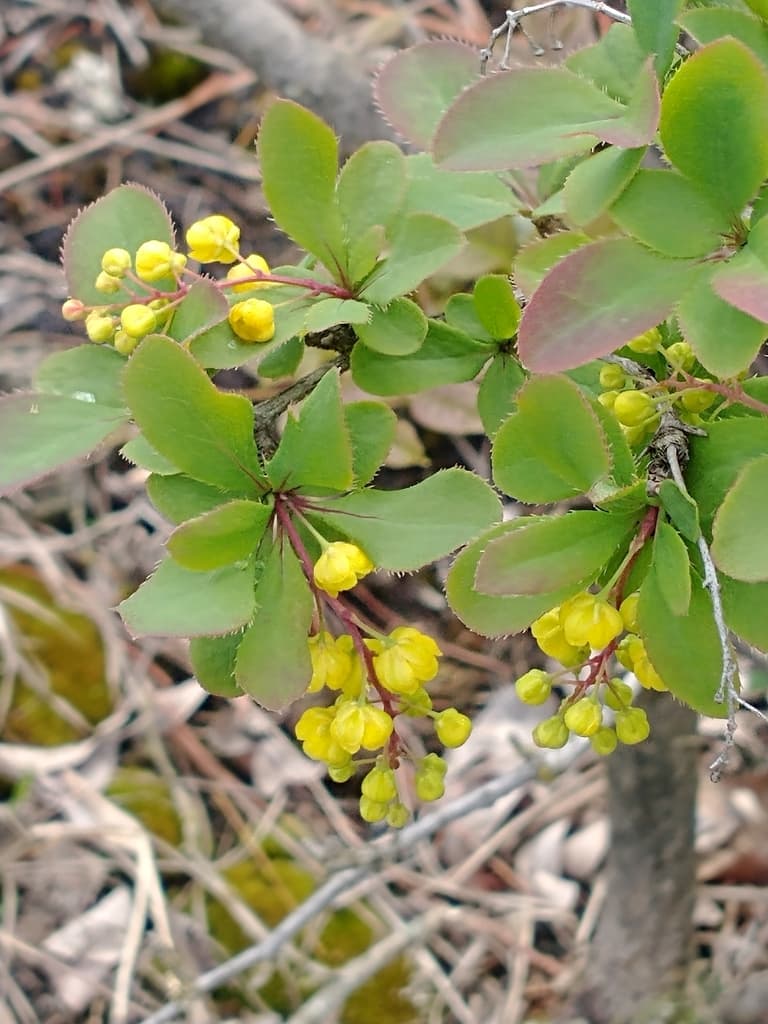
BarberryWestern
Same pharmacology as goldenseal berberine — see goldenseal entry. Sustainable alternative source of berberine
BerberineWestern
Multiple human RCTs demonstrate metabolic effects on glucose and lipids; extensive animal and mechanistic research; clinical significance of some effects debated
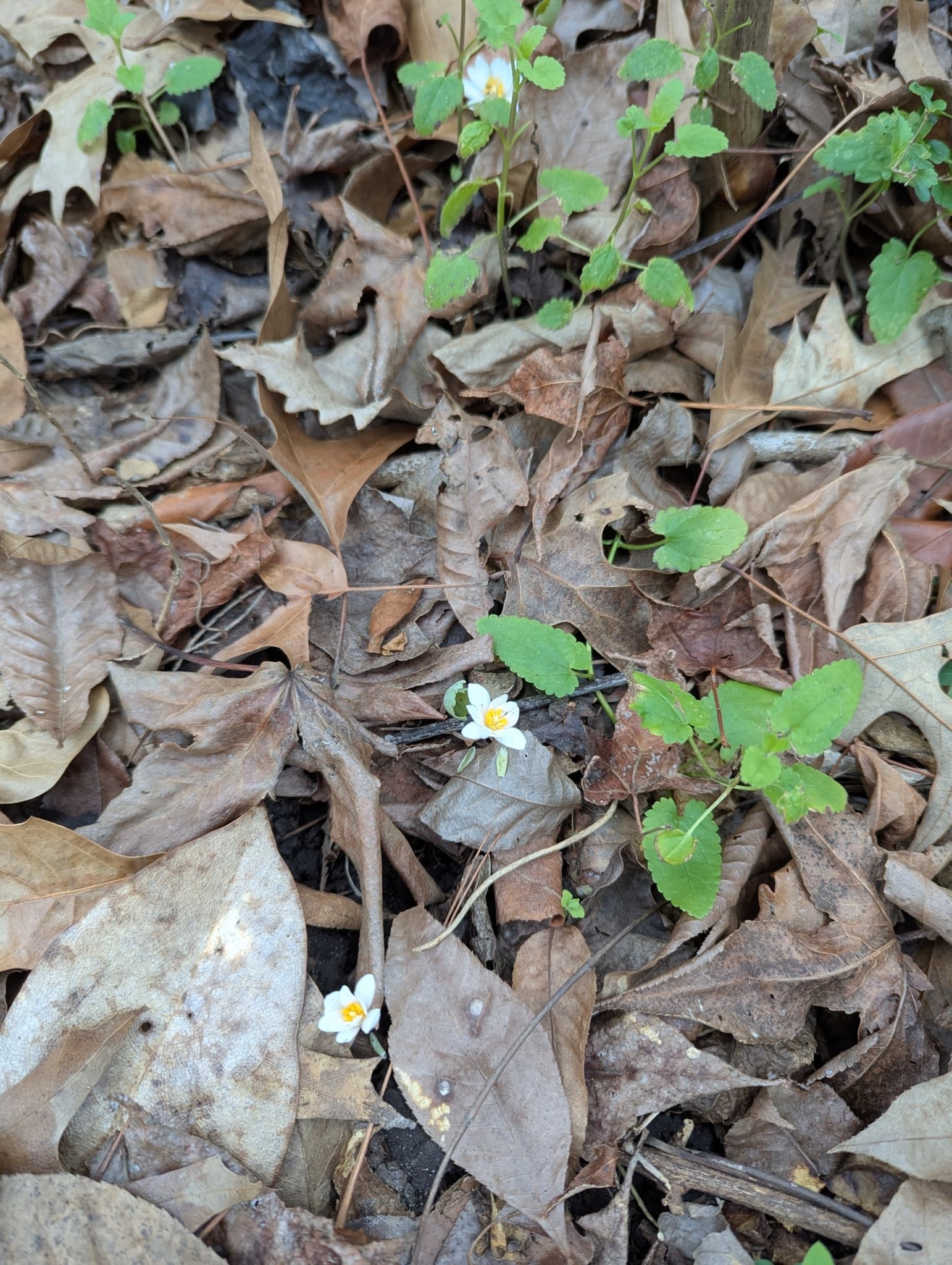
BloodrootWestern
While berberine is present in bloodroot at lower concentrations than sanguinarine, it is one of the most clinically validated botanical alkaloids overall. Extensive clinical trial evidence supports its use for metabolic syndrome, type 2 diabetes, and dyslipidemia when derived from other berberine-rich plants (goldenseal, Oregon grape, barberry). In bloodroot, berberine contributes to the overall antimicrobial spectrum.
Reduced HbA1c comparable to metformin in T2DM RCT (PMID: 18442638). Potent antimicrobial against H. pylori, E. coli, S. aureus. Lipid-lowering via LDLR upregulation (PCSK9 pathway). Anti-inflammatory via NF-kB suppression.
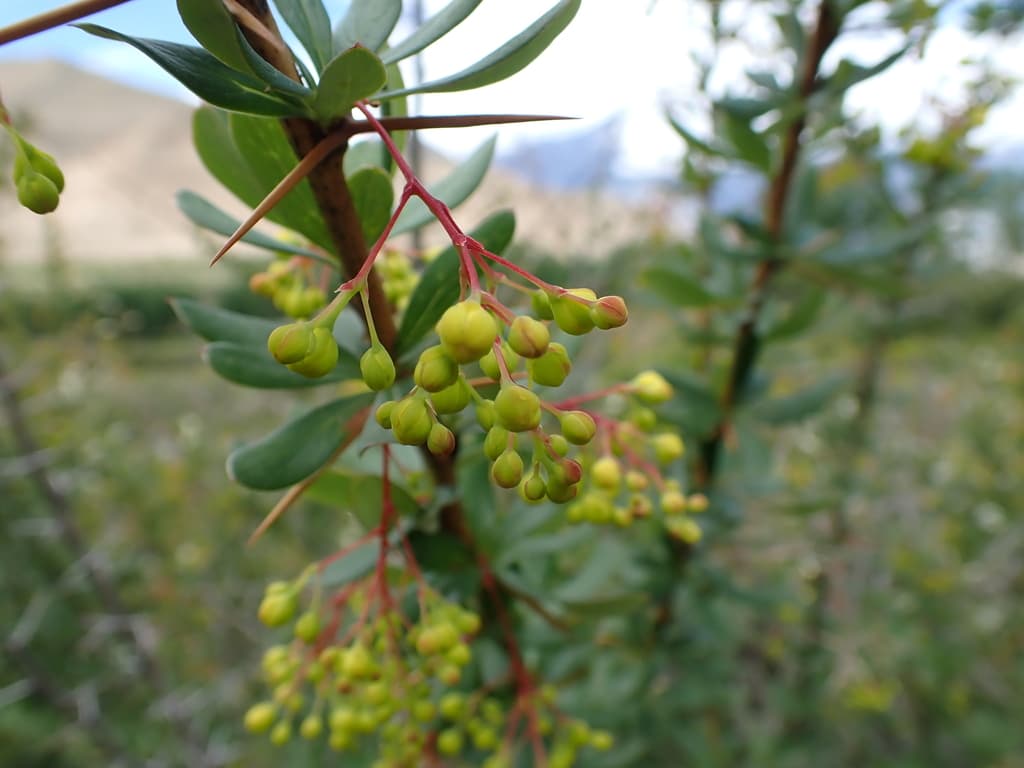
Daruharidra (Indian Barberry)Ayurvedic
Glucose-lowering comparable to metformin in RCTs. Anti-inflammatory, antimicrobial, and lipid-lowering effects.
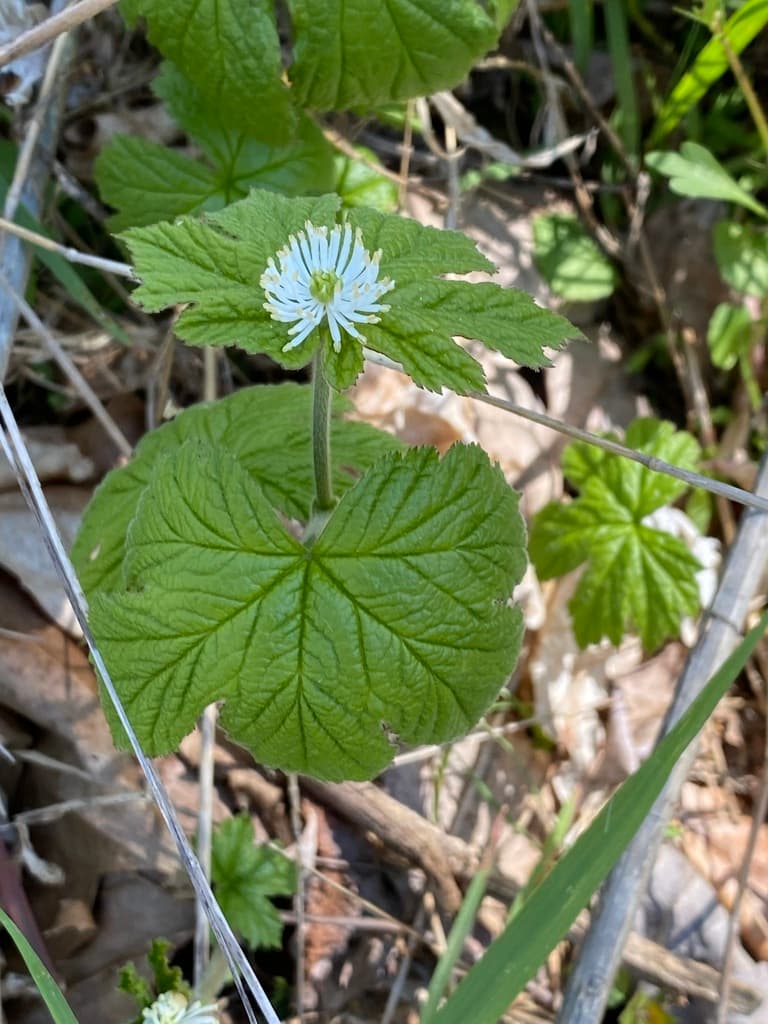
GoldensealWestern
Broad-spectrum antimicrobial in vitro; RCTs for blood glucose reduction (comparable to metformin in some studies); significant CYP inhibition confirmed in clinical trials
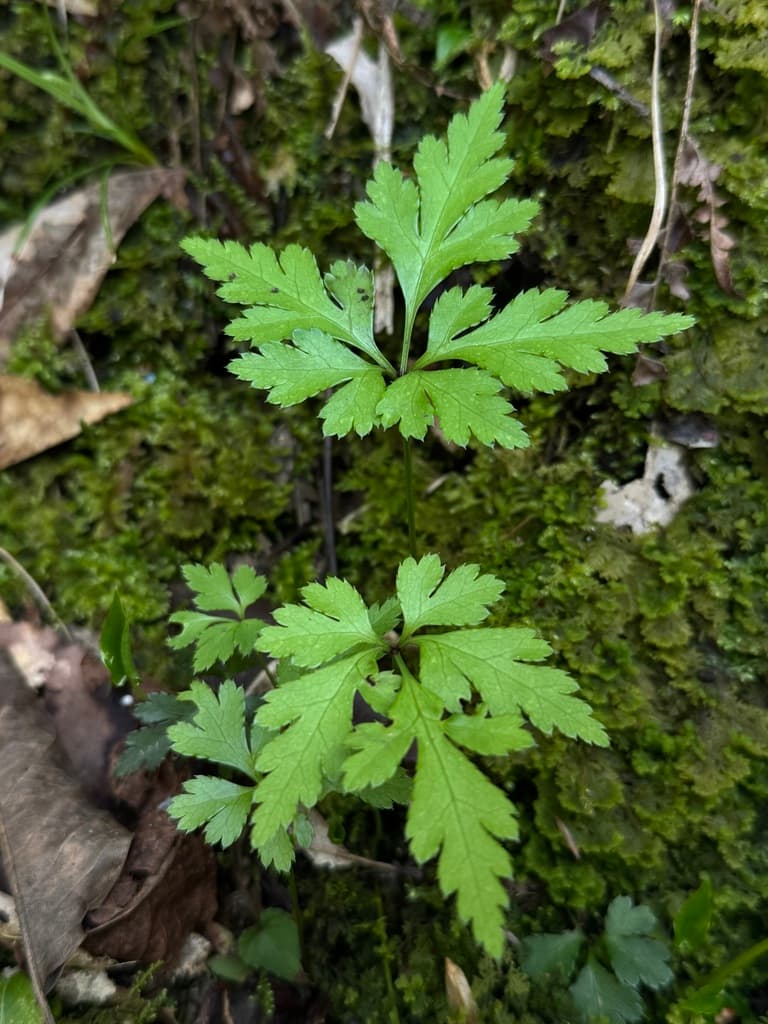
MeadowrueWestern
Extensively studied alkaloid with strong antibacterial, anti-inflammatory, antidiabetic, and lipid-lowering activity in clinical and preclinical studies.
Oregon Grape RootWestern
Berberine demonstrates broad-spectrum antimicrobial activity against bacteria, protozoa, and fungi. Clinical trials show efficacy in infectious diarrhea comparable to tetracycline.
Found In 8 Herbs



3D Molecular Structure
Isoquinoline alkaloid
Drag to rotate · Click atoms to explore
Berberine
Isoquinoline alkaloidNitrogen-containing compounds with potent pharmacological effects
Representative pattern: C₉H₇N₂O
Atoms
Nitrogen
Carbon
Hydrogen
Oxygen
Related Compounds (Isoquinoline alkaloid)
Live Research
This information is for educational purposes only and does not constitute medical advice. Always consult a qualified healthcare practitioner before using any herbal product.
These statements have not been evaluated by the Food and Drug Administration. This product is not intended to diagnose, treat, cure, or prevent any disease. This content is for educational purposes only and is not a substitute for professional medical advice.