Loading…
Back to Compound Explorer
Ascaridole
In vitroMechanism of Action
Antimicrobial and antiparasitic via oxidative stress induction in target organisms; at high concentrations exhibits cytotoxicity and potential genotoxicity through reactive oxygen species generation. Contributes to the characteristic aromatic odour of boldo essential oil.
Ascaridole is one of the rare naturally occurring organic peroxides. Its endoperoxide bridge undergoes homolytic cleavage within parasite cells, generating alkoxy radicals that damage mitochondrial membranes, disrupt electron transport chain complexes (particularly Complex I and III), and deplete glutathione in helminth tissues. This oxidative burst causes neuromuscular paralysis and tegumental disruption in roundworms, leading to their expulsion. In mammalian cells, the same radical-generating mechanism causes dose-dependent hepatotoxicity and cardiotoxicity at higher concentrations.
Research Notes
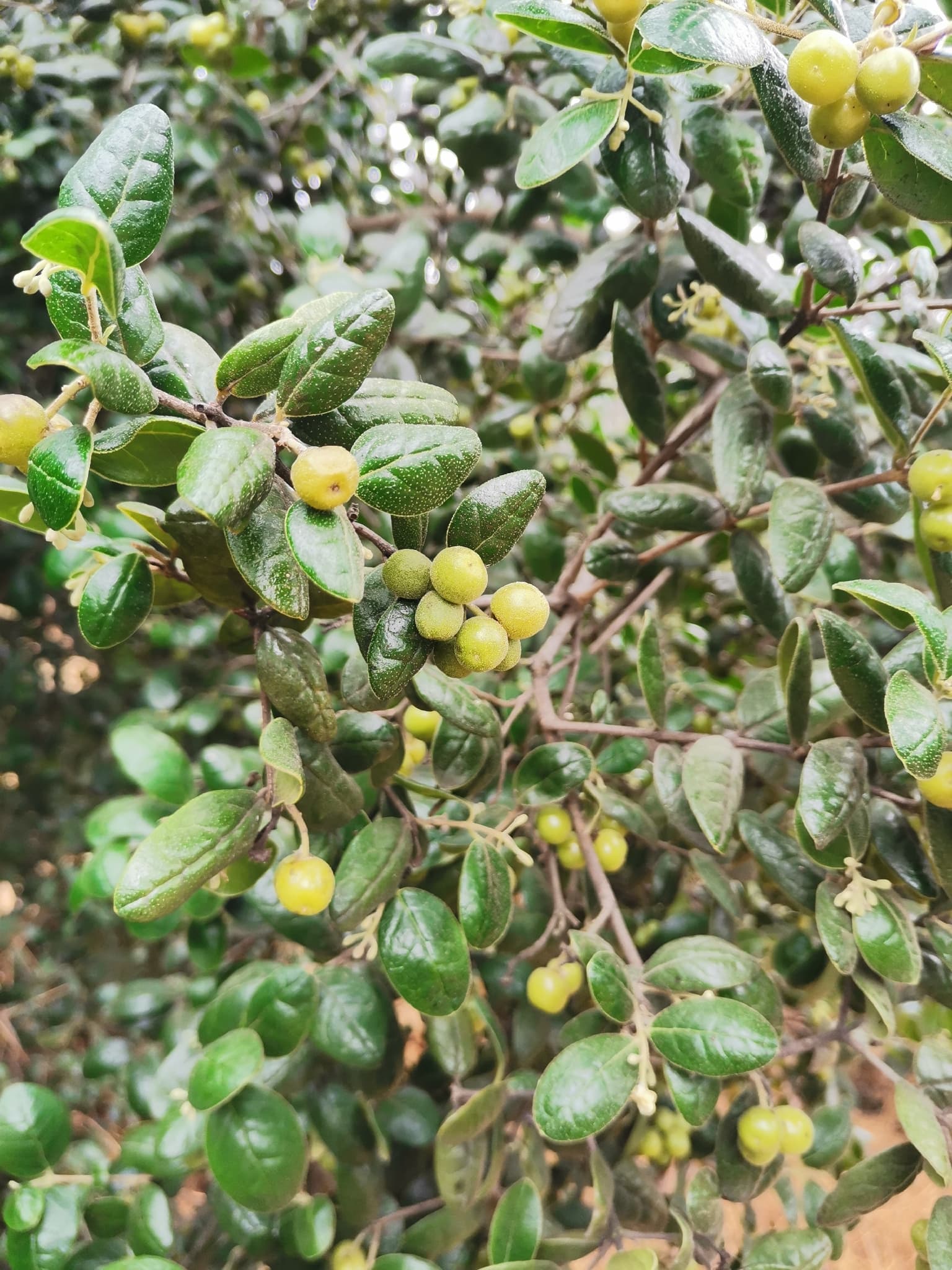
BoldoSouth American
Ascaridole has established antiparasitic activity against Giardia, Leishmania, and certain helminths in preclinical models. Genotoxic potential at high doses has been demonstrated in bacterial and mammalian cell assays, providing the pharmacological rationale for avoiding boldo essential oil and high-dose prolonged use. Its contribution in standard leaf infusion is considered clinically negligible.
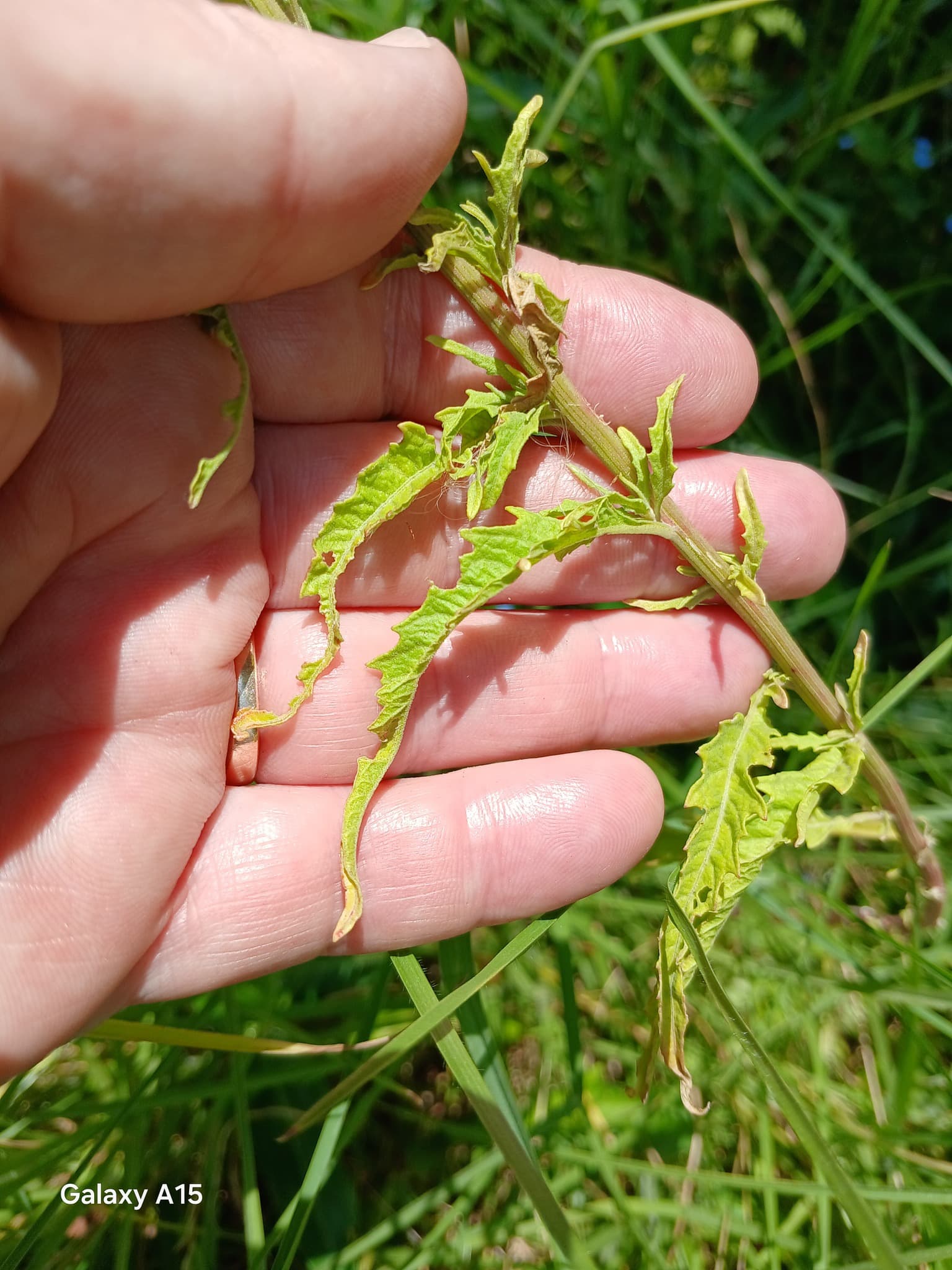
EpazoteSouth American
Ascaridole was identified as the active anthelmintic principle of chenopodium oil in early twentieth-century pharmacological studies. In vitro assays demonstrate potent activity against Ascaris lumbricoides, Ancylostoma duodenale, and Schistosoma mansoni at concentrations of 10–50 µg/mL (Monzote et al., 2014). Animal studies confirm narrow therapeutic index: effective anthelmintic doses in mice are approximately 50% of the LD50. Anti-protozoal activity against Trypanosoma cruzi and Leishmania has been demonstrated in vitro with IC50 values of 1.5–5 µg/mL.
Found In 2 Herbs
3D Molecular Structure
Bicyclic monoterpene endoperoxide
Drag to rotate · Click atoms to explore
Ascaridole
Bicyclic monoterpene endoperoxideAromatic plant metabolites with anti-inflammatory properties
Representative pattern: C₁₀H₁₆O
Atoms
Carbon
Oxygen
Hydrogen
Live Research
This information is for educational purposes only and does not constitute medical advice. Always consult a qualified healthcare practitioner before using any herbal product.
These statements have not been evaluated by the Food and Drug Administration. This product is not intended to diagnose, treat, cure, or prevent any disease. This content is for educational purposes only and is not a substitute for professional medical advice.