Loading…
Back to Compound Explorer
Arbutin
Clinical trialMechanism of Action
Hydrolysed by intestinal flora and urinary beta-glucuronidase to release hydroquinone, which is antimicrobial in alkaline urine
Urinary antiseptic; converts to hydroquinone in alkaline urine
Glycoside of hydroquinone; mild antibacterial and skin-lightening agent found in pear skin
Hydrolyzed to hydroquinone in the urine; hydroquinone acts as urinary antiseptic with antimicrobial activity
Research Notes
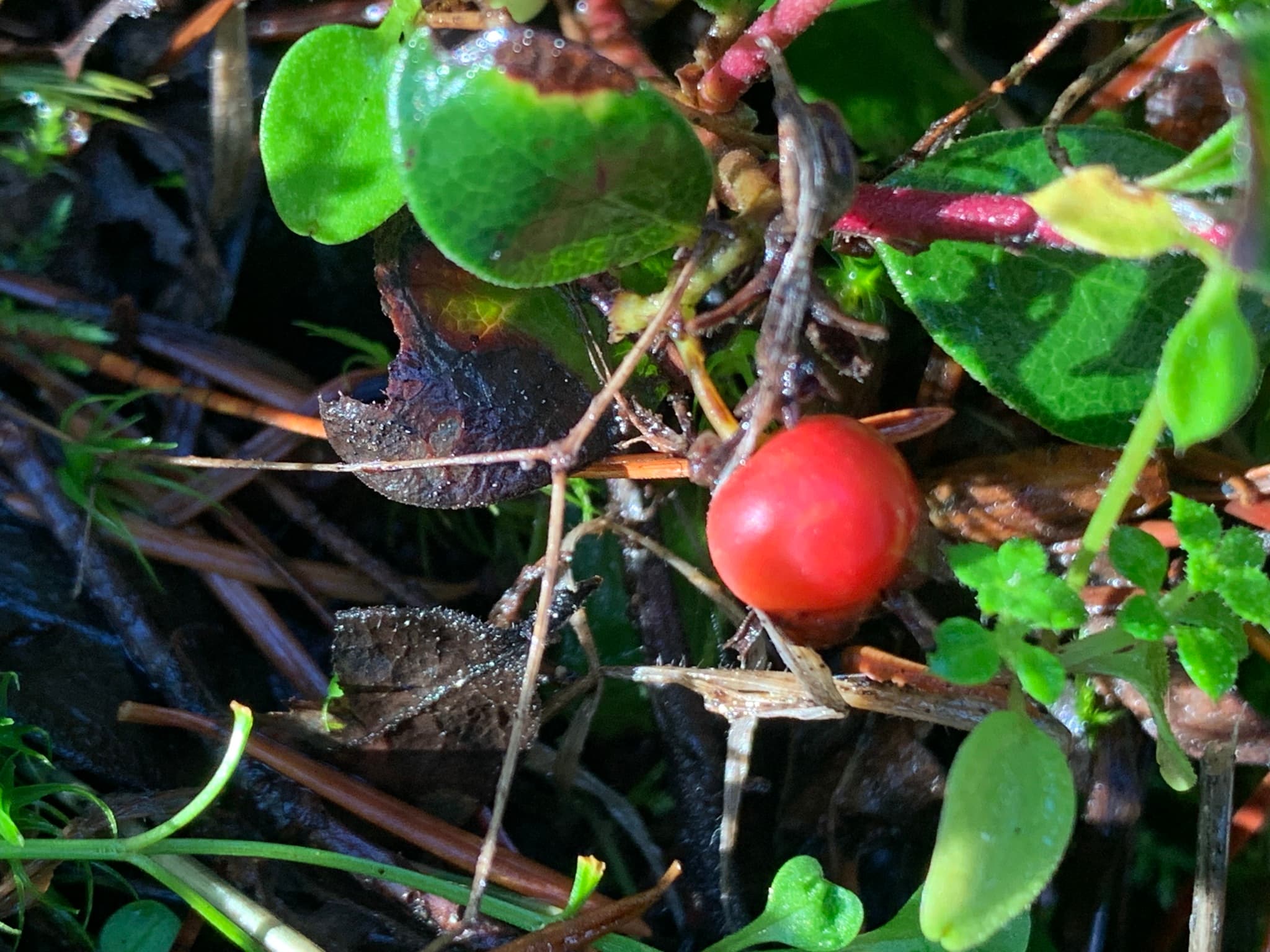
Bearberry (Uva Ursi)Western
Arbutin provides direct urinary antiseptic effects against E. coli, Proteus, Pseudomonas, and Staphylococcus saprophyticus. Clinical trials support short-term use for uncomplicated UTI.
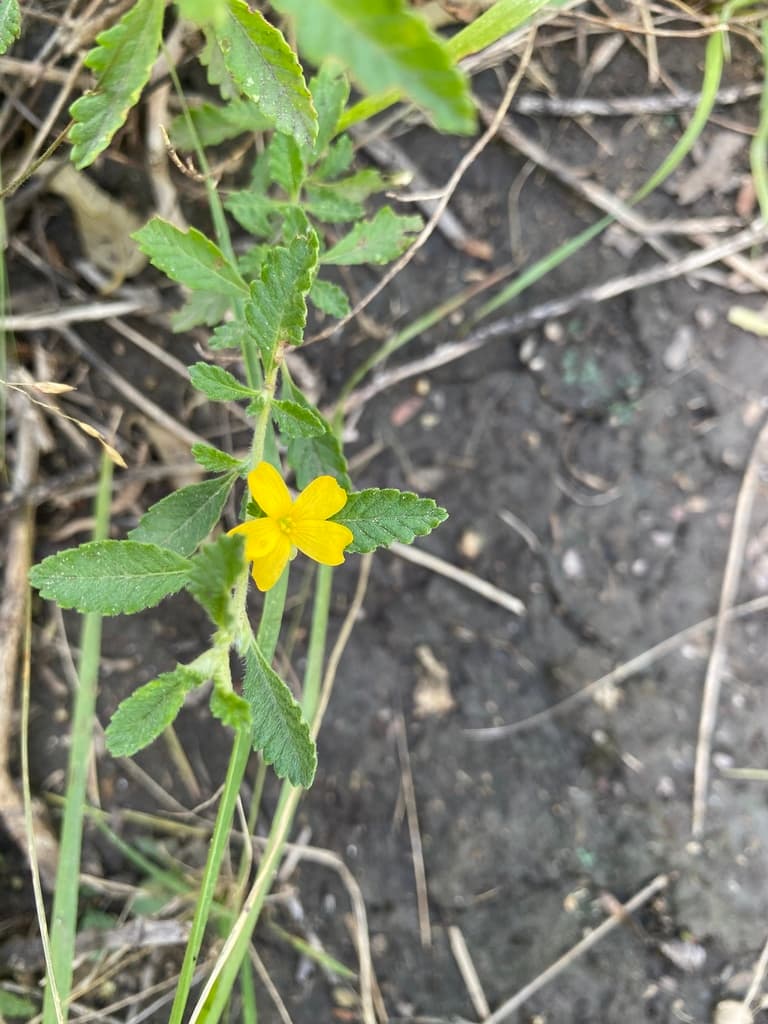
DamianaSouth American
Arbutin provides mild urinary antiseptic effects, supporting traditional use for urinary complaints.
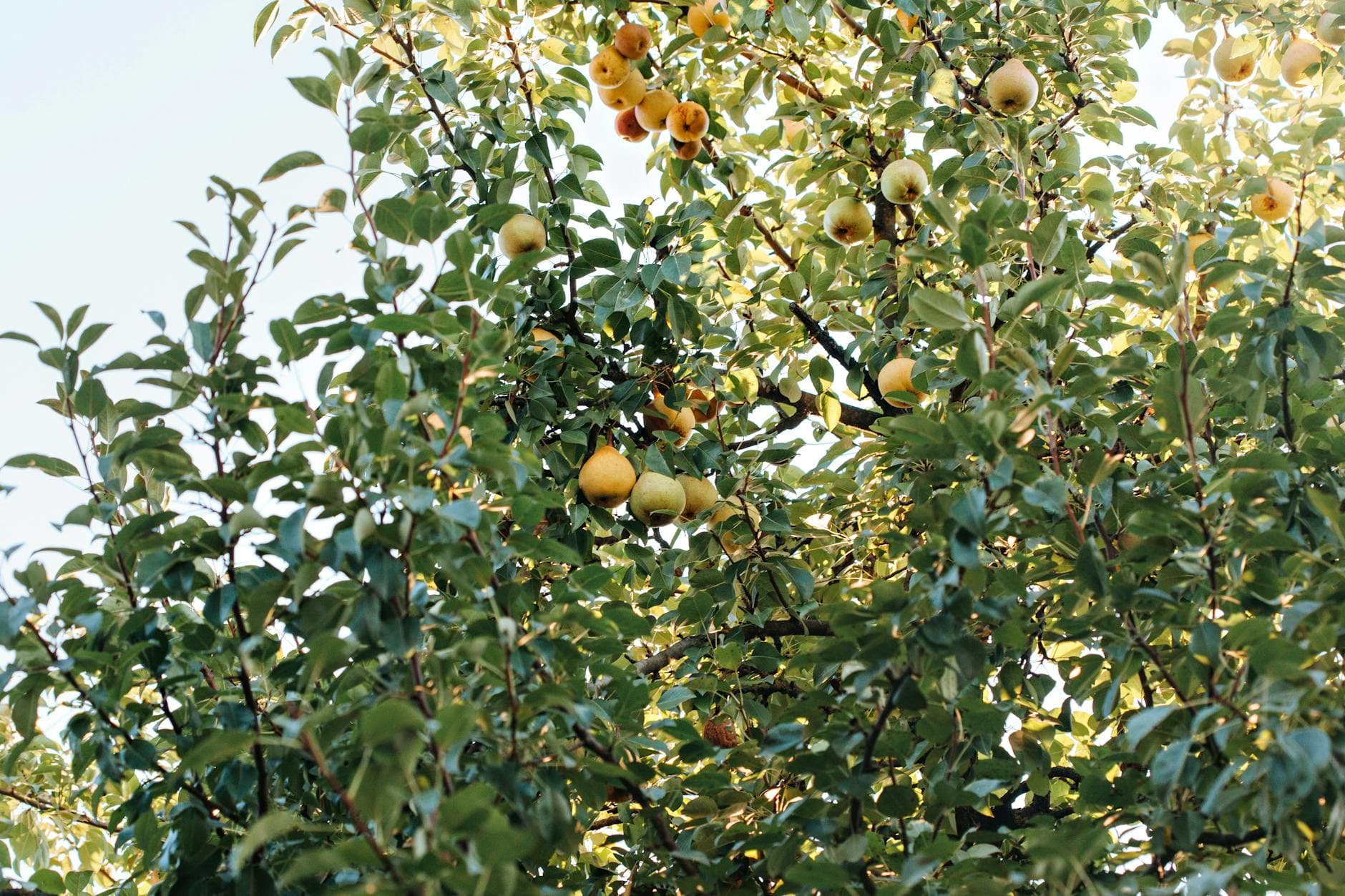
Pear TreeWestern
Documented antibacterial activity. Used in dermatology for skin-lightening applications.
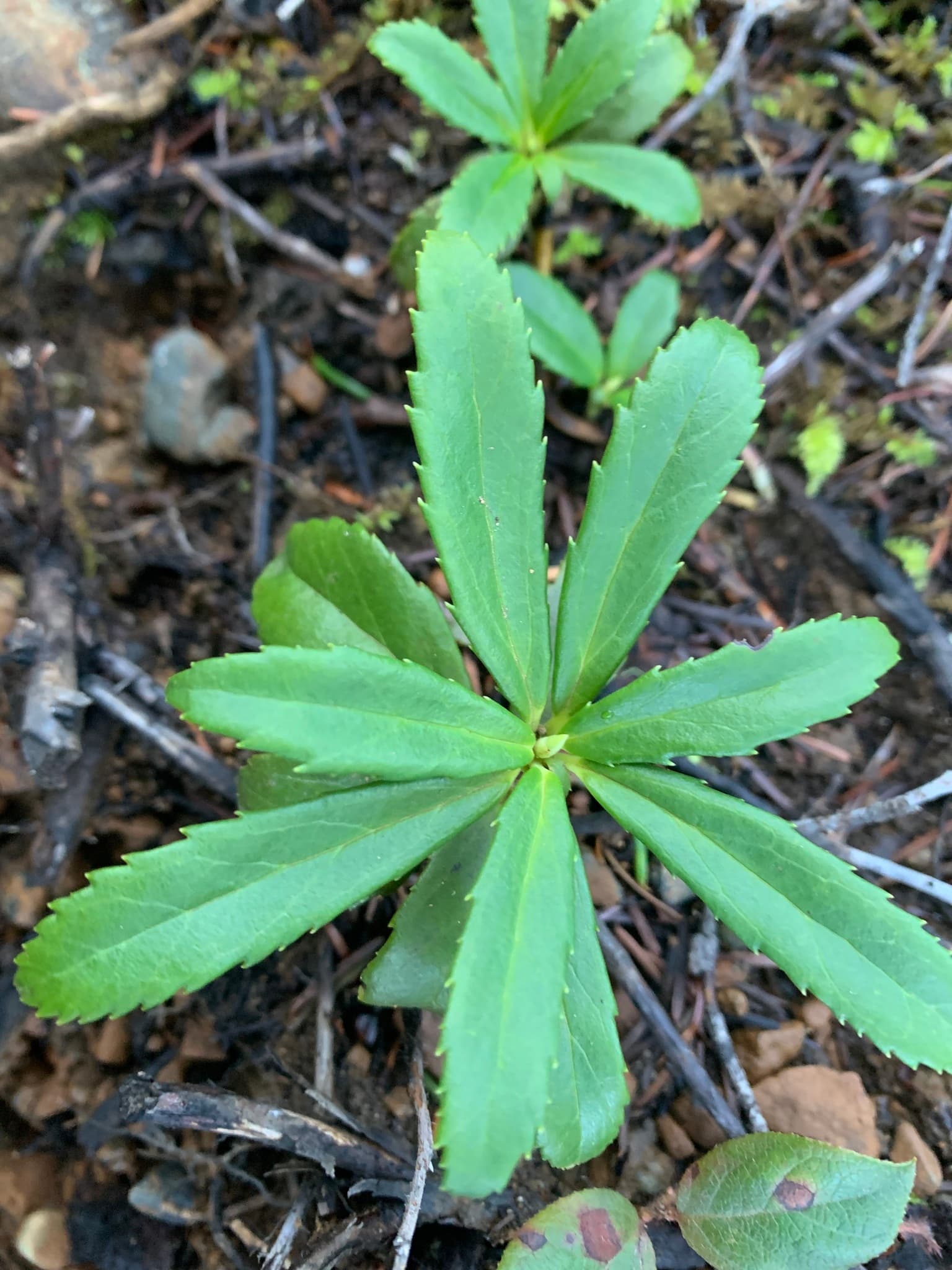
PipsissewaWestern
Primary active compound proposed for urinary antiseptic effect. In vitro studies demonstrate antimicrobial activity of hydroquinone. Traditional use supports efficacy but controlled clinical trials lacking. Efficacy dependent on urinary pH (alkaline urine favors antimicrobial effect) and individual metabolism.
Found In 4 Herbs
3D Molecular Structure
Hydroquinone glycoside
Drag to rotate · Click atoms to explore
Arbutin
Hydroquinone glycosideSugar-bound molecules that control drug release in the body
Representative pattern: C₁₁H₁₄O₆
Atoms
Carbon
Oxygen
Live Research
This information is for educational purposes only and does not constitute medical advice. Always consult a qualified healthcare practitioner before using any herbal product.
These statements have not been evaluated by the Food and Drug Administration. This product is not intended to diagnose, treat, cure, or prevent any disease. This content is for educational purposes only and is not a substitute for professional medical advice.