Loading…
Back to Compound Explorer
Amygdalin
In vitro / AnimalMechanism of Action
Found in seeds only; hydrolyzes enzymatically to hydrogen cyanide — serious toxin confined to kernel, absent from flesh and flowers
Amygdalin is hydrolyzed by beta-glucosidase enzymes in the gut to release hydrogen cyanide (HCN), glucose, and benzaldehyde. At sub-toxic doses, the small quantities of HCN produced may exert a mild sedative effect on the cough reflex center in the medulla oblongata, partially explaining the traditional anti-tussive application. Benzaldehyde, the other aglycone product, has demonstrated independent anti-inflammatory and analgesic properties in preclinical models.
Anti-inflammatory; antitussive; blood-moving via fibrinolytic activity; mild analgesic
Research Notes
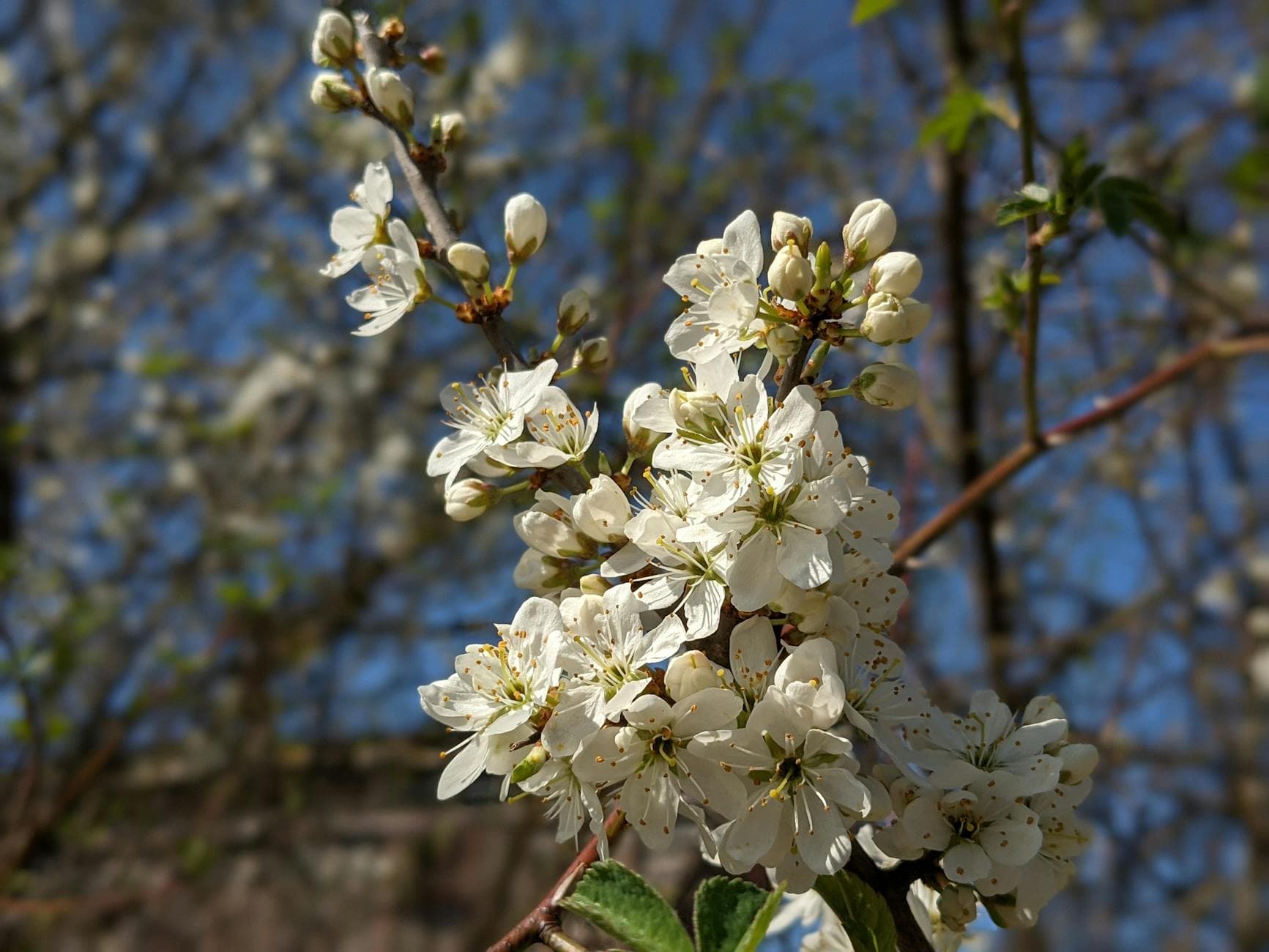
Blackthorn (Sloe)Western
Amygdalin is the primary safety concern. Cyanogenic glycoside confined to seeds; enzymatic hydrolysis yields hydrogen cyanide. Flesh and flowers are safe.
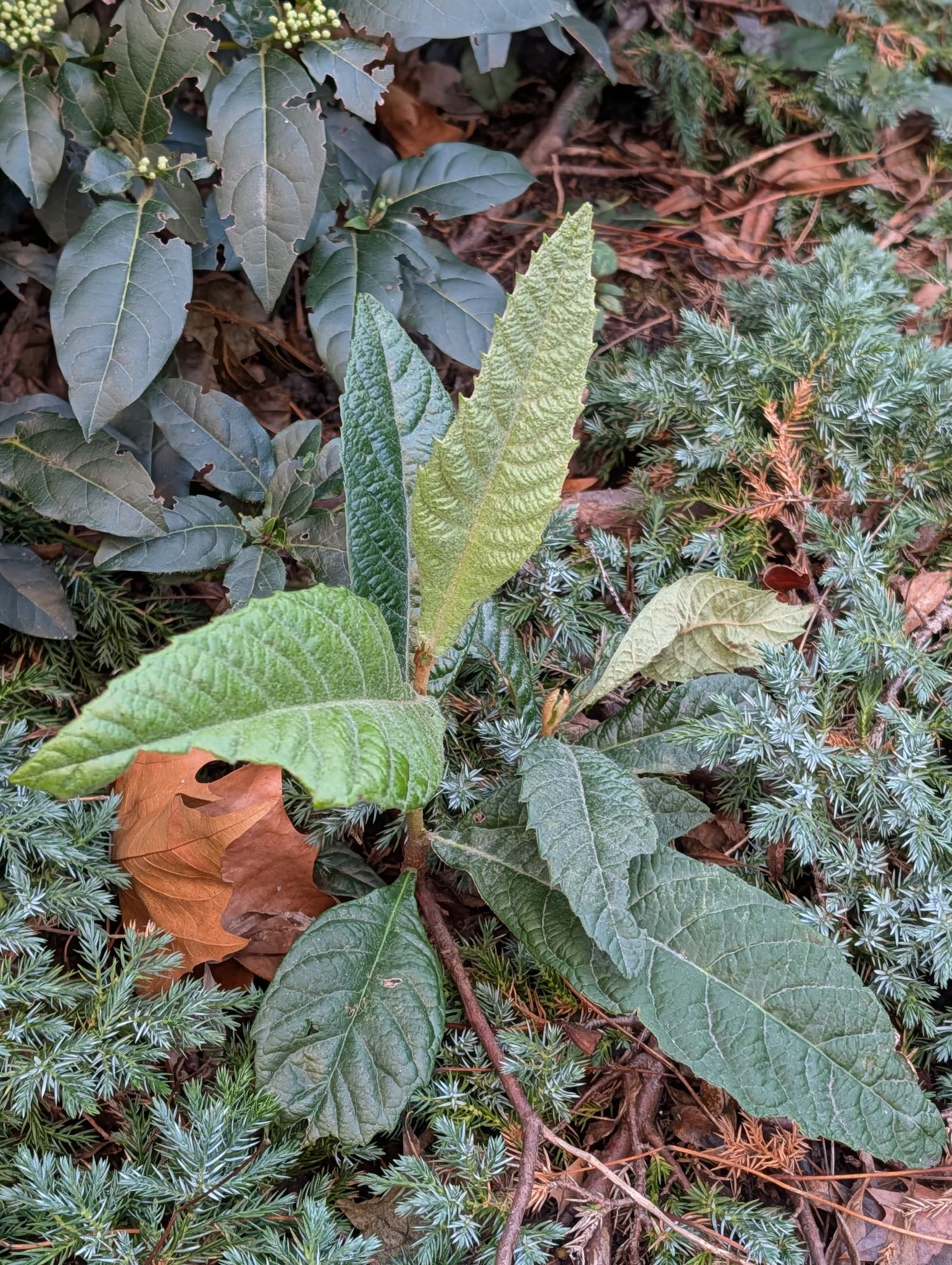
Animal studies have confirmed the anti-tussive activity of amygdalin, with one study showing significant suppression of capsaicin-induced cough in guinea pigs at doses of 5–20 mg/kg administered intraperitoneally. However, safety concerns limit clinical investigation; a 2015 Cochrane review found insufficient evidence to support amygdalin (laetrile) for any therapeutic indication and documented cases of cyanide toxicity at high oral doses. In the context of loquat leaf decoctions, prolonged boiling substantially degrades amygdalin, reducing toxicity risk.
Amygdalin is the primary glycoside in peach kernel used in TCM blood-moving formulas. Animal studies demonstrate anti-inflammatory and mild fibrinolytic effects.
Found In 3 Herbs

3D Molecular Structure
Cyanogenic glycoside
Drag to rotate · Click atoms to explore
Amygdalin
Cyanogenic glycosideSugar-bound molecules that control drug release in the body
Representative pattern: C₁₁H₁₄O₆
Atoms
Carbon
Oxygen
Related Compounds (Cyanogenic glycoside)
Live Research
This information is for educational purposes only and does not constitute medical advice. Always consult a qualified healthcare practitioner before using any herbal product.
These statements have not been evaluated by the Food and Drug Administration. This product is not intended to diagnose, treat, cure, or prevent any disease. This content is for educational purposes only and is not a substitute for professional medical advice.