Loading…
Back to Compound Explorer
Alpha-linolenic acid (ALA)
Clinical trialMechanism of Action
Serves as precursor to EPA and DHA through desaturation and elongation; incorporated into cell membranes altering fluidity and signaling; reduces pro-inflammatory eicosanoid synthesis by competing with arachidonic acid for COX and LOX enzymes
Essential fatty acid serving as the precursor for EPA and DHA synthesis via delta-6-desaturase. Incorporated into cell membrane phospholipids, modulating membrane fluidity and lipid raft composition. Anti-inflammatory via competitive inhibition of arachidonic acid metabolism, reducing pro-inflammatory eicosanoid (PGE2, TXA2, LTB4) production. Modulates gene expression via PPAR-alpha activation.
Research Notes
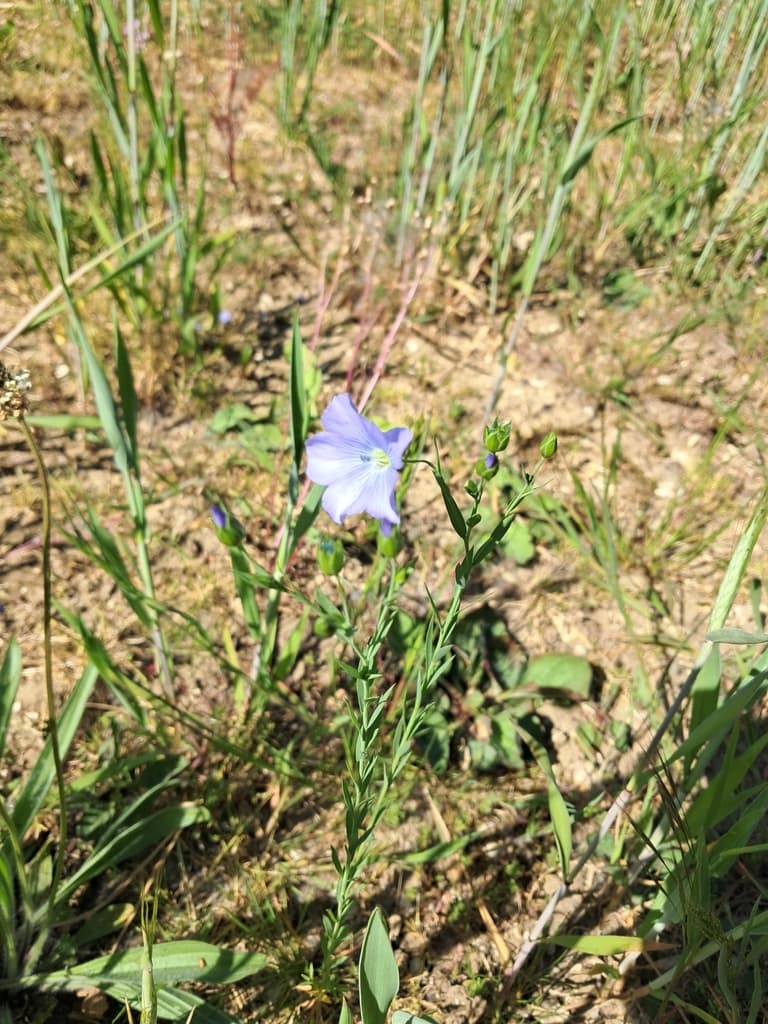
FlaxseedWestern
ALA from flaxseed has been shown to reduce inflammatory markers (CRP, IL-6) and improve lipid profiles in multiple clinical trials. Conversion to EPA is approximately 5-10% and to DHA is less than 1% in humans. Epidemiological studies associate higher ALA intake with reduced cardiovascular mortality. The FLAX-PAD trial demonstrated significant blood pressure reduction with daily flaxseed consumption.
Perilla seed oil contains 54–64% ALA, making it one of the richest plant sources. A 12-month RCT in Japanese subjects (n=60) showed perilla seed oil supplementation significantly increased EPA levels in red blood cell membranes and reduced inflammatory markers vs soybean oil control (Narisawa et al., 2005). Population studies associate higher ALA intake with reduced cardiovascular risk. Conversion efficiency of ALA to EPA/DHA is limited (~5–10% to EPA, <1% to DHA) in humans.
Found In 2 Herbs
3D Molecular Structure
Omega-3 polyunsaturated fatty acid (C18:3 n-3)
Drag to rotate · Click atoms to explore
Alpha-linolenic acid (ALA)
Omega-3 polyunsaturated fatty acid (C18:3 n-3)Bioactive phytochemical with therapeutic properties
Representative pattern: C₄H₂NO
Atoms
Carbon
Oxygen
Nitrogen
Hydrogen
Live Research
This information is for educational purposes only and does not constitute medical advice. Always consult a qualified healthcare practitioner before using any herbal product.
These statements have not been evaluated by the Food and Drug Administration. This product is not intended to diagnose, treat, cure, or prevent any disease. This content is for educational purposes only and is not a substitute for professional medical advice.