Loading…
Back to Compound Explorer
Allantoin
Clinical trialMechanism of Action
Promotes cell proliferation and accelerates wound healing; also present in comfrey
Allantoin promotes cell proliferation and wound healing by stimulating fibroblast activity and collagen synthesis. It has keratolytic and skin-softening properties, increasing water content of the extracellular matrix. Allantoin also exhibits mild anti-inflammatory activity by suppressing prostaglandin E2 production and reducing irritation at mucosal surfaces, which may contribute to the gastroprotective effects attributed to Shan Yao.
Stimulates fibroblast proliferation and collagen synthesis; promotes epithelialization and wound healing through TGF-β pathway activation
Promotes cell proliferation and wound healing; stimulates epithelial tissue regeneration
Stimulates fibroblast proliferation and extracellular matrix synthesis; promotes epithelial cell migration for wound closure
Promotes cell proliferation and tissue repair; classic wound-healing compound shared with comfrey
Promotes cell proliferation and wound healing; supports connective tissue repair and accounts for Culpeper's bone-knitting observation
Research Notes
AlkanetWestern
Established wound-healing compound used in pharmaceutical and cosmetic preparations.
Allantoin is an established active ingredient in dermatological preparations (approved by FDA for OTC wound healing products). In vitro studies confirmed stimulation of fibroblast proliferation at 0.1–1% concentrations. An animal study in ethanol-induced gastric ulcer models showed allantoin (50 mg/kg) reduced ulcer index by approximately 60%, with histological evidence of enhanced mucosal regeneration (Araujo et al., J Ethnopharmacol, 2010). Clinical evidence for allantoin from Dioscorea specifically is limited, as most research involves synthetic allantoin in topical formulations.
ComfreyWestern
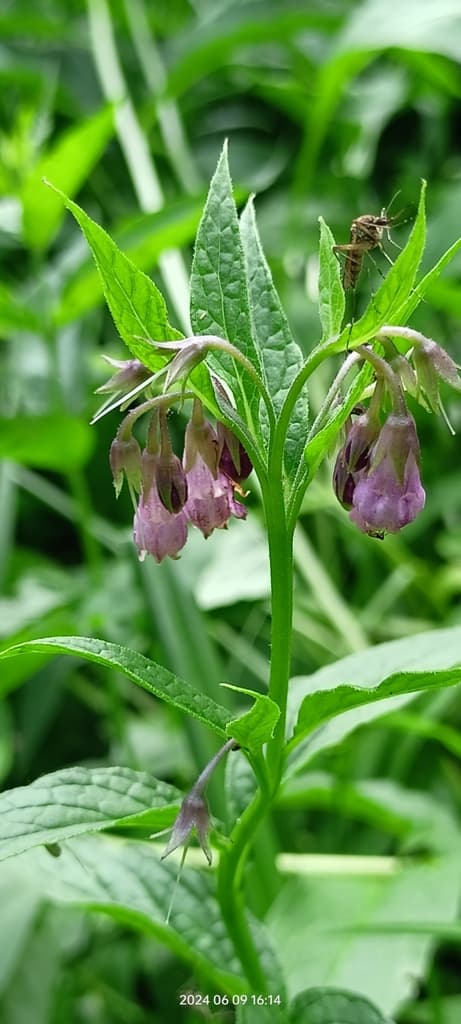
Allantoin is the primary wound-healing constituent in comfrey, with clinical evidence supporting topical application for bruises, sprains, and minor wounds. Stimulates cellular proliferation and granulation tissue formation, accelerating recovery in musculoskeletal injuries.
Hound's TongueWestern
Well-established wound-healing compound used in modern dermatological products. Supports traditional topical wound-healing claims.
PlantainWestern
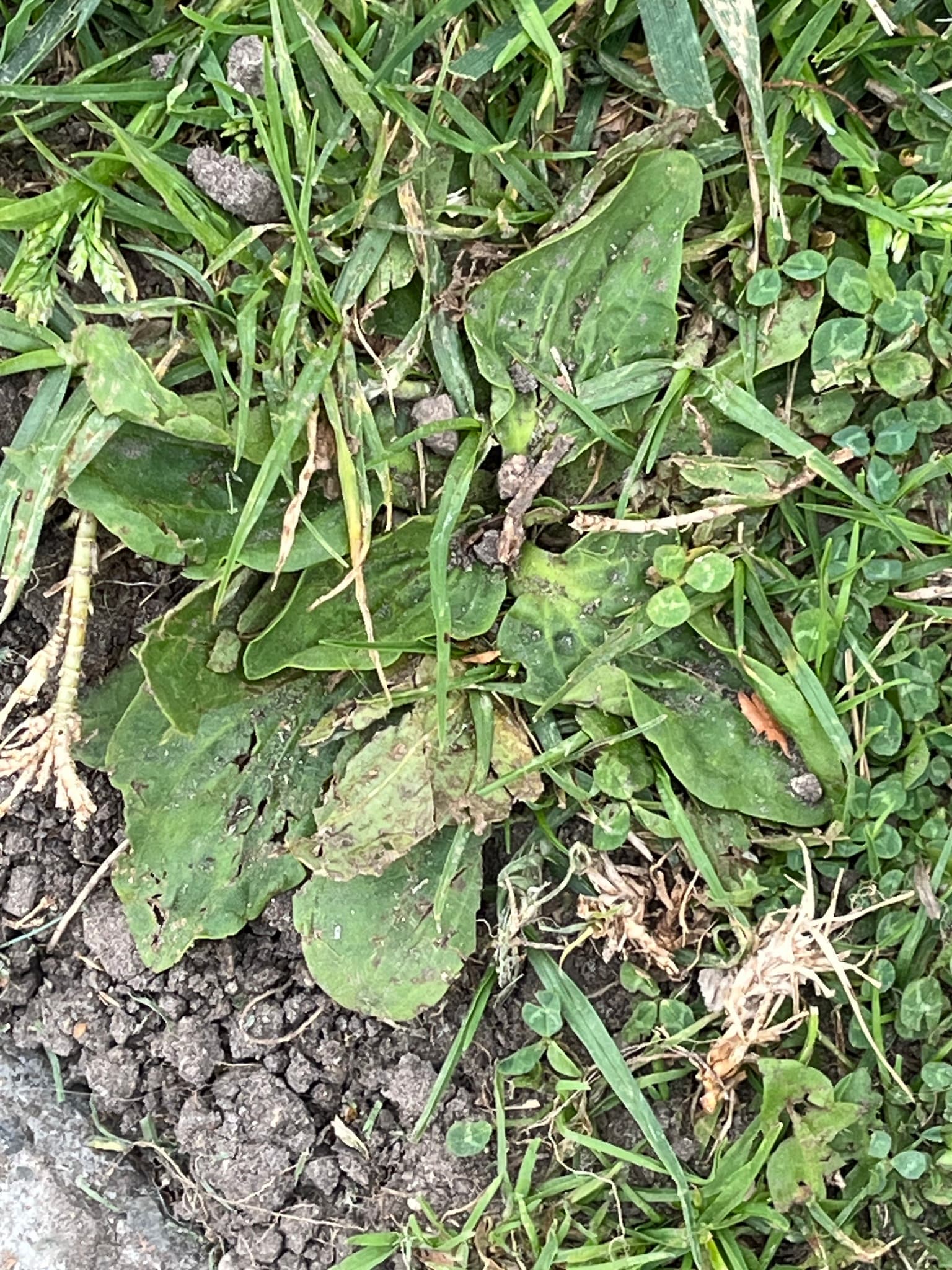
Allantoin is a proven wound-healing promoter used in both herbal and pharmaceutical preparations. It accelerates cell division and granulation tissue formation.
SanicleWestern
Allantoin is a well-established wound-healing compound that stimulates cell proliferation. Also found in comfrey, supporting the traditional comparison between the two herbs.
Solomon's SealIntegrative
Allantoin is a well-established wound-healing compound that promotes cell proliferation and tissue repair. Also found in comfrey.
Found In 7 Herbs




3D Molecular Structure
Purine derivative
Drag to rotate · Click atoms to explore
Allantoin
Purine derivativeBioactive phytochemical with therapeutic properties
Representative pattern: C₄H₂NO
Atoms
Carbon
Oxygen
Nitrogen
Hydrogen
Live Research
This information is for educational purposes only and does not constitute medical advice. Always consult a qualified healthcare practitioner before using any herbal product.
These statements have not been evaluated by the Food and Drug Administration. This product is not intended to diagnose, treat, cure, or prevent any disease. This content is for educational purposes only and is not a substitute for professional medical advice.