Loading…
Back to Compound Explorer
Agaritine
ModerateMechanism of Action
Agaritine (β-N-[γ-L-glutamyl]-4-hydroxybenzylamine) is a potentially toxic compound that undergoes metabolic conversion to reactive diazonium intermediates capable of causing DNA strand scission and base oxidation. This mutagenic activity is oxygen-dependent and dose-related. Agaritine concentrations in commercial ABM products range from 112-1836 µg/g dry weight, with significant batch-to-batch variation. Degradation occurs over approximately 48 hours in tap water through oxidative decomposition.
Research Notes
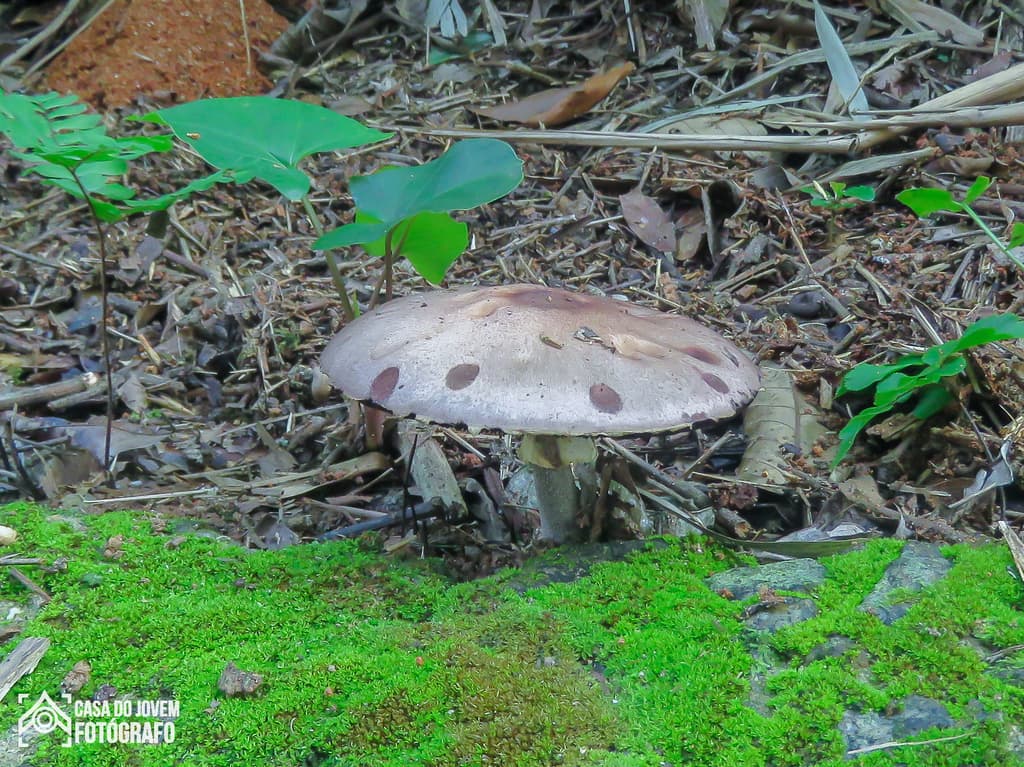
Royal Sun BlazeiMushroom
Animal studies demonstrated carcinogenic, mutagenic, neurotoxic, hepatotoxic, and pulmonary toxic effects of agaritine and its metabolites. The Japanese Ministry of Health demanded recall of commercial products exceeding safety thresholds. A 2006 IARC review classified the evidence as limited. Human epidemiological studies of Agaricus bisporus consumers (which also contains agaritine at lower levels) have not shown increased cancer risk, but specific safety data for the higher concentrations found in A. subrufescens products are insufficient.
Found In 1 Herb
3D Molecular Structure
Aromatic hydrazine (phenylhydrazine derivative)
Drag to rotate · Click atoms to explore
Agaritine
Aromatic hydrazine (phenylhydrazine derivative)Bioactive phytochemical with therapeutic properties
Representative pattern: C₇H₆O₃
Atoms
Carbon
Oxygen
Hydrogen
Live Research
This information is for educational purposes only and does not constitute medical advice. Always consult a qualified healthcare practitioner before using any herbal product.
These statements have not been evaluated by the Food and Drug Administration. This product is not intended to diagnose, treat, cure, or prevent any disease. This content is for educational purposes only and is not a substitute for professional medical advice.