Loading…
Back to Compound Explorer
Agaric Acid (Agaricin)
PreliminaryMechanism of Action
Agaric acid exerts parasympatholytic (anticholinergic-like) and anhidrotic (sweat-reducing) effects, explaining its historical use for night sweats in tuberculosis patients. It stimulates macrophage activation and promotes production of pro-inflammatory cytokines TNF-α and IL-6, supporting innate immune defense against intracellular pathogens. Anti-inflammatory properties occur through modulation of arachidonic acid metabolism, providing analgesic effects complementary to its antimicrobial actions.
Research Notes
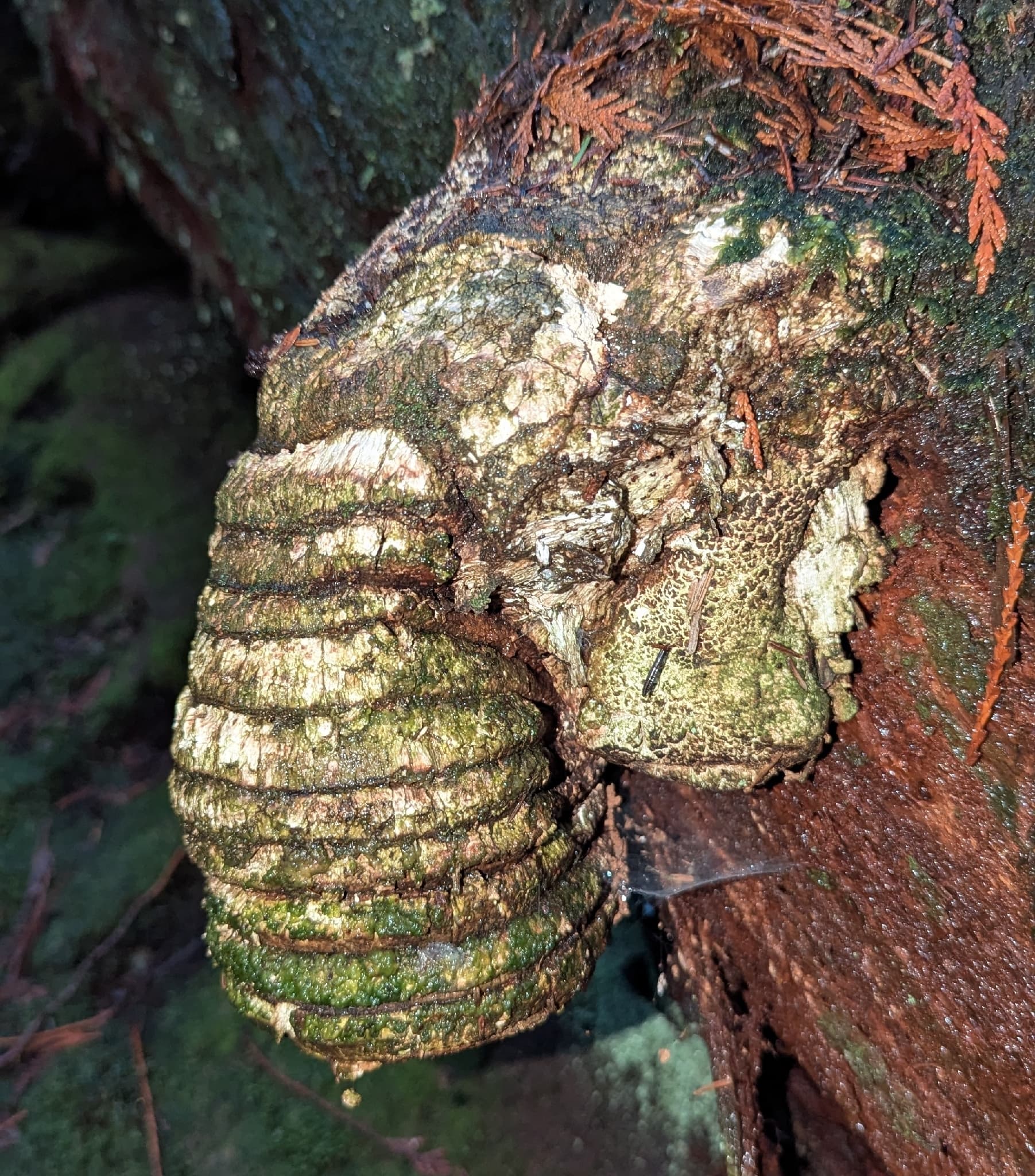
AgarikonMushroom
Historical pharmacological studies confirmed anhidrotic and parasympatholytic activity, consistent with traditional indications for night sweats. Modern in vitro studies demonstrated macrophage cytokine production enhancement. Anti-inflammatory activity confirmed in multiple assay systems. Agaric acid has been used historically in European pharmaceutical preparations but has not been subject to modern randomized clinical trials.
Found In 1 Herb
3D Molecular Structure
Fatty acid derivative
Drag to rotate · Click atoms to explore
Agaric Acid (Agaricin)
Fatty acid derivativeBioactive phytochemical with therapeutic properties
Representative pattern: C₄H₂NO
Atoms
Carbon
Oxygen
Nitrogen
Hydrogen
Live Research
This information is for educational purposes only and does not constitute medical advice. Always consult a qualified healthcare practitioner before using any herbal product.
These statements have not been evaluated by the Food and Drug Administration. This product is not intended to diagnose, treat, cure, or prevent any disease. This content is for educational purposes only and is not a substitute for professional medical advice.