Loading…
Back to Compound Explorer
Adenosine and N6-(2-hydroxyethyl)-adenosine (HEA)
In vitro / AnimalMechanism of Action
Adenosine binds A1, A2A, A2B, and A3 adenosine receptors, mediating vasodilation (A2A/A2B), anti-inflammatory effects (A2A), cardioprotection, and inhibition of platelet aggregation. HEA (unique to Ophiocordyceps) is a modified adenosine analog that appears to have prolonged receptor binding and may selectively activate A2A receptors, contributing to anti-inflammatory and neuroprotective effects. Both compounds may underlie the traditional "Lung Yin" moistening and anti-asthmatic properties.
Research Notes
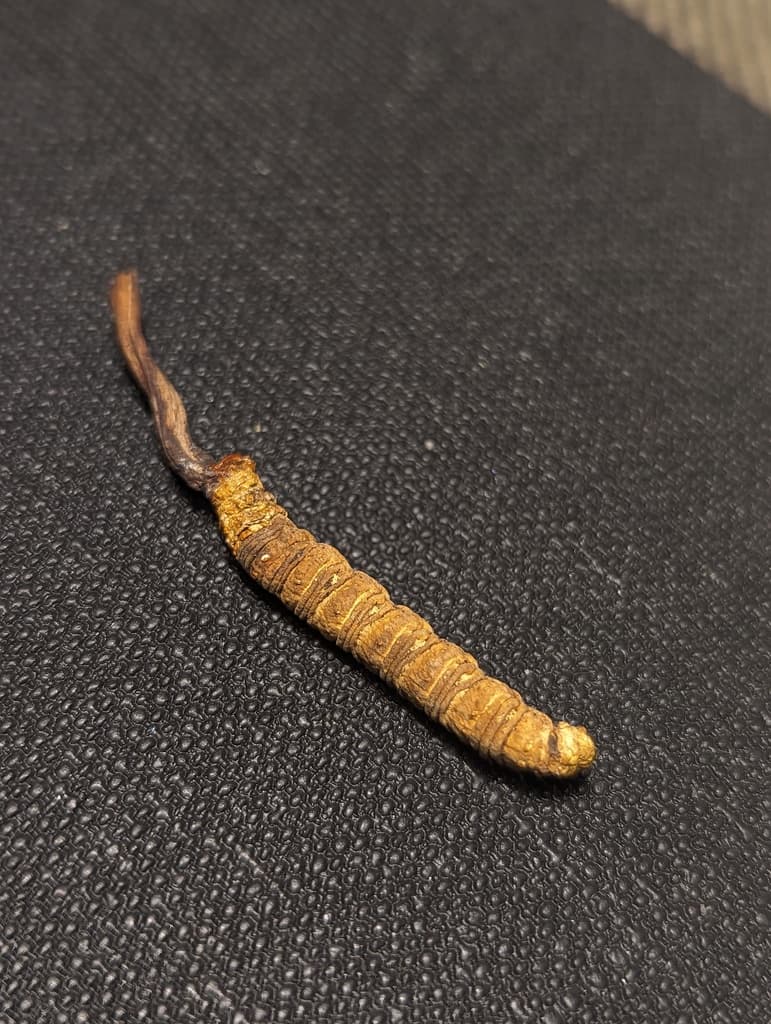
Li et al. (2006) demonstrated that adenosine and HEA from O. sinensis relaxed precontracted tracheal smooth muscle in guinea pig models, supporting the traditional anti-asthmatic indication. Huang et al. (2004) showed adenosine-mediated inhibition of platelet aggregation from O. sinensis extracts. HEA has been proposed as a species-specific authentication marker, as it is found in O. sinensis but not in C. militaris or most common adulterants. Chinese pharmacopoeia specifies ≥0.1% adenosine content as a quality standard.
Found In 1 Herb
3D Molecular Structure
Purine nucleoside and derivatives
Drag to rotate · Click atoms to explore
Adenosine and N6-(2-hydroxyethyl)-adenosine (HEA)
Purine nucleoside and derivativesBioactive phytochemical with therapeutic properties
Representative pattern: C₄H₂NO
Atoms
Carbon
Oxygen
Nitrogen
Hydrogen
Live Research
This information is for educational purposes only and does not constitute medical advice. Always consult a qualified healthcare practitioner before using any herbal product.
These statements have not been evaluated by the Food and Drug Administration. This product is not intended to diagnose, treat, cure, or prevent any disease. This content is for educational purposes only and is not a substitute for professional medical advice.