Loading…
Back to Compound Explorer
1,8-Cineole (Eucalyptol)
Clinical trialMechanism of Action
Upregulates mucociliary clearance and acts as a mucolytic; bronchodilatory via inhibition of acetylcholine-mediated smooth muscle contraction; anti-inflammatory through suppression of TNF-α and IL-1β; direct antibacterial activity against respiratory pathogens.
Inhibits NF-κB and AP-1 transcription factors reducing expression of IL-1β, TNF-α, and COX-2; calcium channel antagonist in airway smooth muscle producing bronchodilation; stimulates mucociliary clearance via cAMP upregulation in bronchial epithelial cells; potent antioxidant with iron-chelating activity
1,8-Cineole is a potent mucolytic and anti-inflammatory agent that acts through multiple mechanisms. It stimulates ciliary beat frequency in respiratory epithelium, directly increasing mucociliary clearance. It reduces mucus hypersecretion by inhibiting mucin (MUC5AC) gene expression through suppression of NF-κB and Sp1 transcription factor binding. As an anti-inflammatory, it inhibits the production of arachidonic acid metabolites by blocking both cyclooxygenase-2 (COX-2) and 5-lipoxygenase (5-LOX) pathways, reducing production of prostaglandin E2, thromboxane B2, and leukotriene B4. It also inhibits monocyte-derived cytokines TNF-α and IL-1β through suppression of NF-κB nuclear translocation. Additionally, 1,8-cineole has demonstrated broad-spectrum antimicrobial activity by disrupting bacterial cell membrane integrity, and acts as an analgesic through activation of TRPM8 (cold/menthol) receptors and inhibition of TRPA1 (pain) receptors.
1,8-Cineole acts as a mucolytic and expectorant by directly stimulating ciliary beat frequency in respiratory epithelium and reducing mucus viscosity through disruption of mucopolysaccharide cross-linking. It exerts anti-inflammatory activity by inhibiting arachidonic acid metabolism via suppression of both cyclooxygenase-2 (COX-2) and 5-lipoxygenase (5-LOX) pathways, and by directly inhibiting cytokine production (TNF-α, IL-1β) from human monocytes. In tea tree oil, 1,8-cineole is present at relatively low concentrations (ideally <15% per ISO 4730) and contributes a secondary antimicrobial and penetration-enhancing role.
1,8-Cineole acts as a mucolytic and expectorant by stimulating ciliary beat frequency in respiratory epithelium and reducing mucus viscosity. It exerts anti-inflammatory activity by inhibiting both COX-2 and 5-LOX pathways, reducing prostaglandin E2 and leukotriene B4 synthesis. Antimicrobial effects involve disruption of bacterial cell membrane integrity. Additionally acts as an analgesic through activation of TRPM8 receptors.
Research Notes
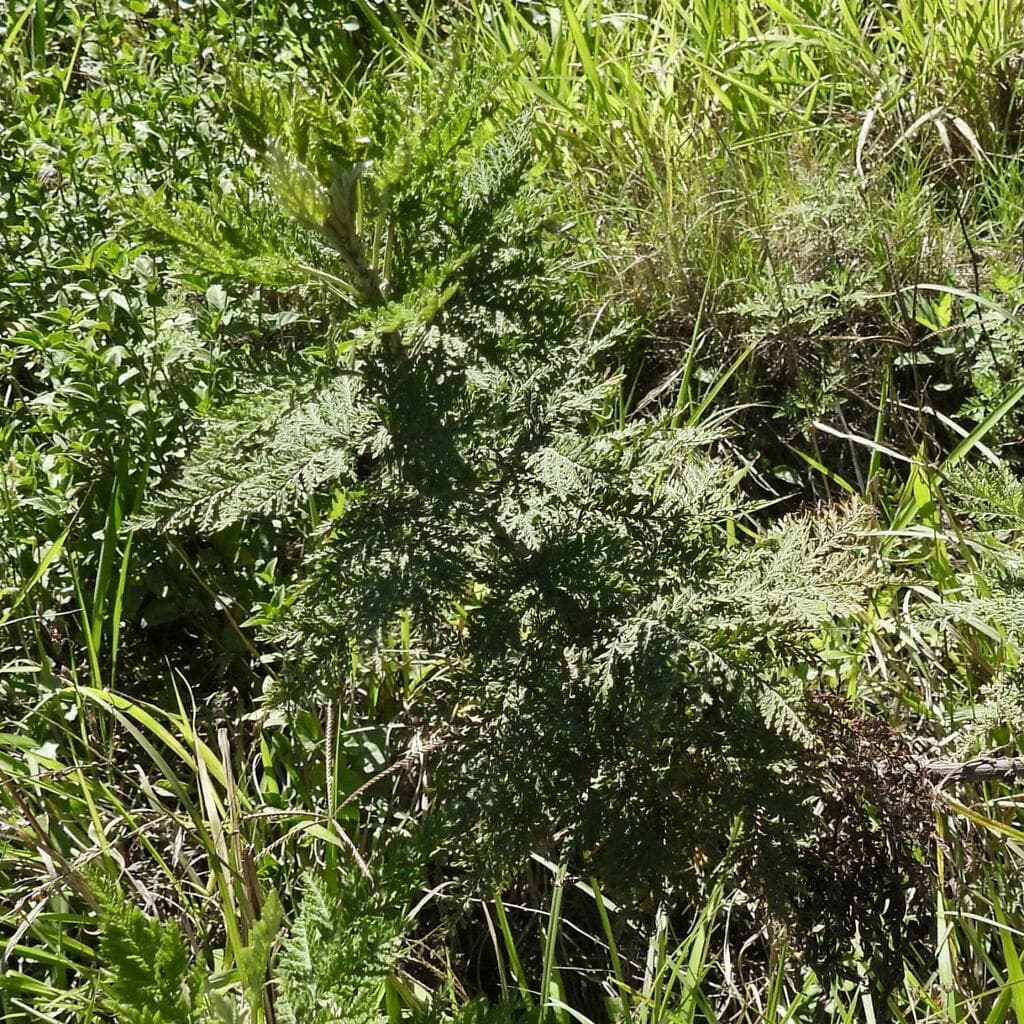
African WormwoodAfrican
Extensively studied monoterpene with strong evidence for respiratory benefits. Licensed as a pharmaceutical ingredient in European cough and cold preparations. Clinical trials (not specific to A. afra) support efficacy in bronchitis, sinusitis, and COPD.
Bay LeafWestern
Cochrane-supported clinical trials in asthma and COPD demonstrate 1,8-cineole reduces exacerbation frequency and corticosteroid requirements (Juergens et al., 2003). Multiple in vitro studies confirm NF-κB inhibition at µM concentrations. A 2014 systematic review confirms bronchodilatory efficacy in double-blind crossover RCTs.
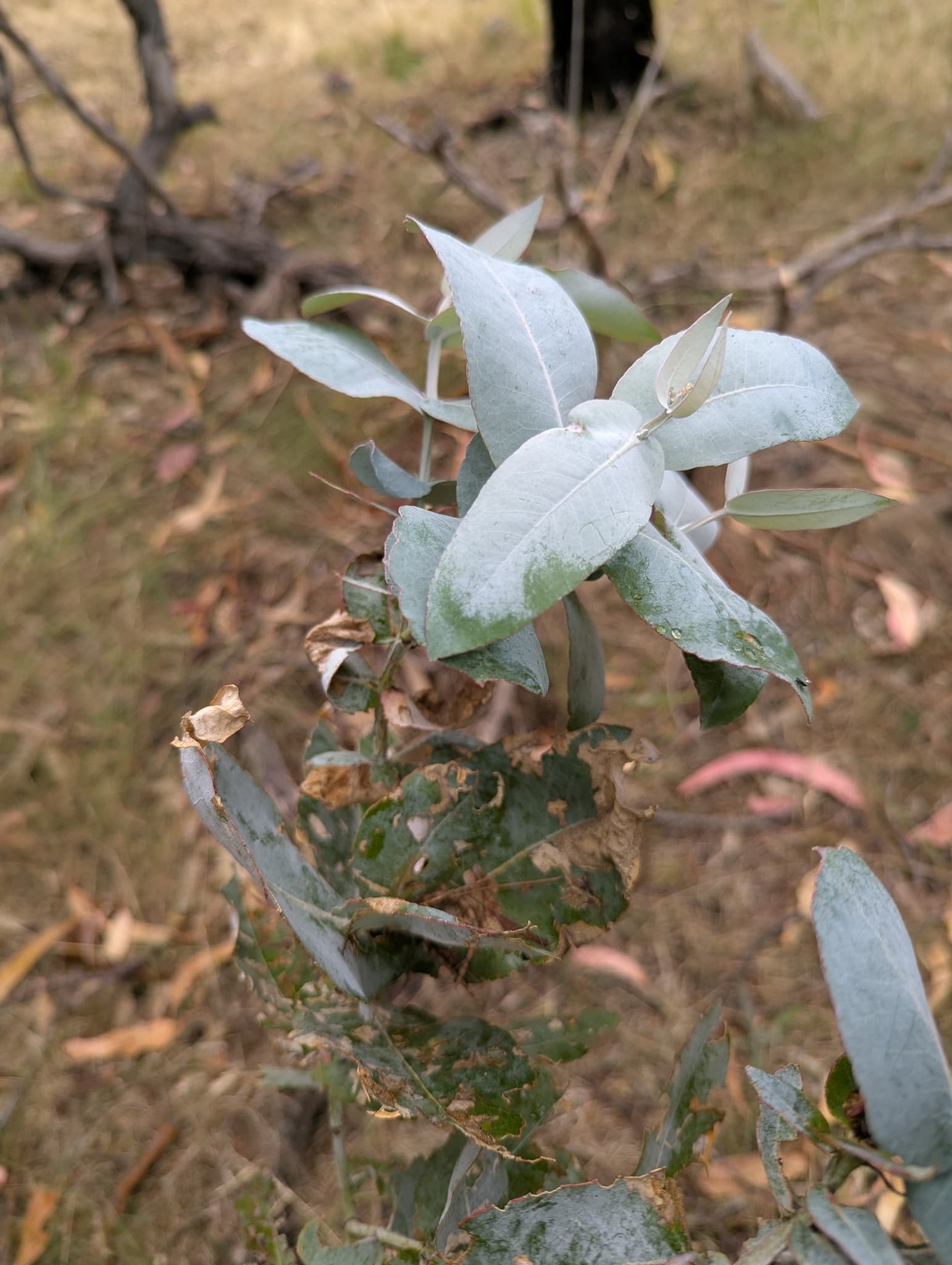
EucalyptusWestern
A pivotal RCT by Worth et al. (2009, Respiratory Research) demonstrated that 200 mg 1,8-cineole three times daily as adjunctive therapy in COPD significantly reduced exacerbation frequency by 38% compared to placebo over 6 months. Juergens et al. (2003, Respiratory Medicine) showed that 200 mg cineole three times daily significantly reduced oral corticosteroid requirements in steroid-dependent asthma patients. A 2004 double-blind RCT (Kehrl et al., Laryngoscope) demonstrated that cineole 200 mg capsules taken three times daily significantly improved symptoms of acute rhinosinusitis within 4 days versus placebo, with the cineole group showing a 3-fold greater improvement in symptom scores. Multiple in vitro studies confirm MIC values of 0.1-2.0% against respiratory pathogens including S. pneumoniae and H. influenzae.
Tea TreeWestern
While extensively studied in eucalyptus oil contexts, 1,8-cineole in tea tree oil is maintained at controlled low levels (<15%) because higher concentrations are associated with increased skin irritation without proportional antimicrobial benefit. In vitro studies show it has moderate antimicrobial activity (MIC 0.25-2% v/v) and enhances the percutaneous penetration of other TTO components. The ISO 4730 standard limits 1,8-cineole to a maximum of 15% to ensure optimal therapeutic ratio of efficacy to tolerability.
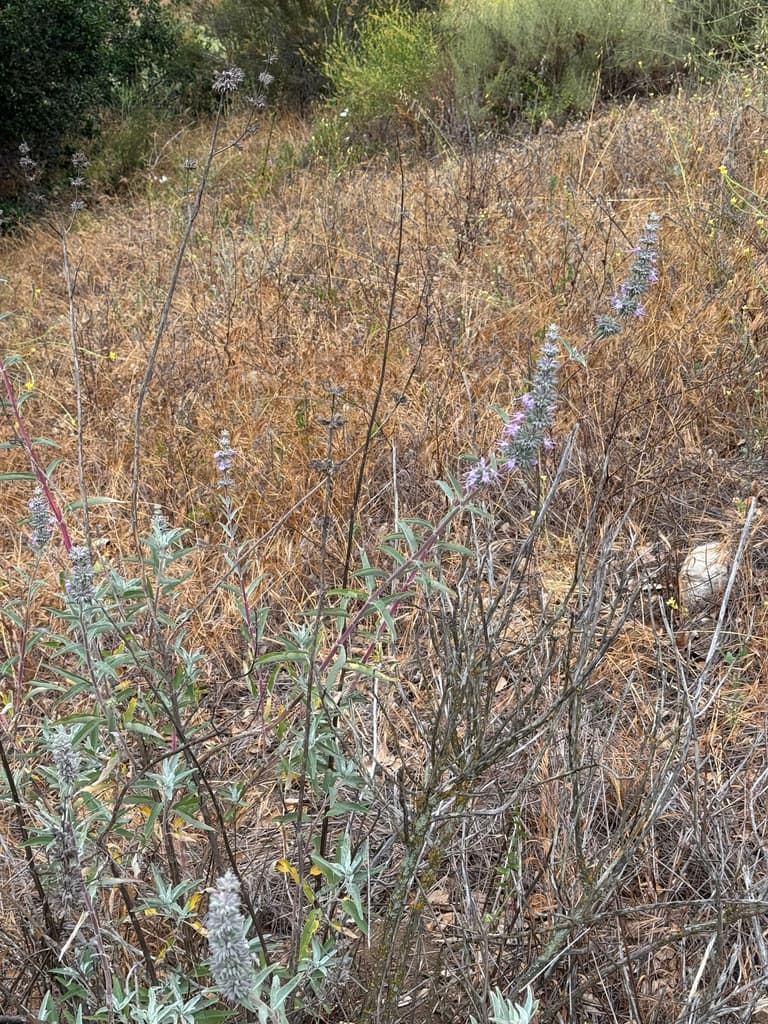
White SageWestern
Multiple clinical trials have demonstrated the mucolytic and anti-inflammatory efficacy of 1,8-cineole in respiratory conditions. Worth et al. (2009) showed cineole 200 mg three times daily reduced COPD exacerbation frequency by 38%. In vitro studies of white sage essential oil confirmed broad-spectrum antimicrobial activity with MIC values of 0.1–2.0% against respiratory pathogens including S. pneumoniae.
Found In 5 Herbs


3D Molecular Structure
Monoterpene oxide
Drag to rotate · Click atoms to explore
1,8-Cineole (Eucalyptol)
Monoterpene oxideAromatic plant metabolites with anti-inflammatory properties
Representative pattern: C₁₀H₁₆O
Atoms
Carbon
Oxygen
Hydrogen
Live Research
This information is for educational purposes only and does not constitute medical advice. Always consult a qualified healthcare practitioner before using any herbal product.
These statements have not been evaluated by the Food and Drug Administration. This product is not intended to diagnose, treat, cure, or prevent any disease. This content is for educational purposes only and is not a substitute for professional medical advice.